
Treatment Overview
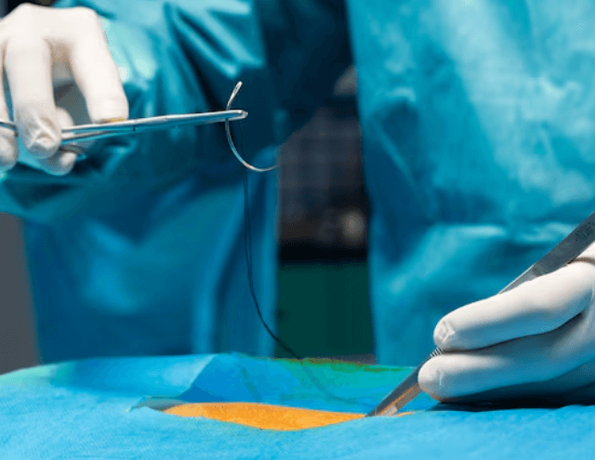
The Nerve-Sparing Cervical Lesion Surgery in Korea is an advanced surgical approach designed to treat cervical lesions with the highest degree of precision while preserving critical nerve structures that support reproductive health, urinary function, and pelvic stability. This technique is applied during LEEP (Loop Electrosurgical Excision Procedure) or Cone Biopsy, especially in cases where lesions are close to sensitive nerve pathways.
Korea is internationally recognized for pioneering nerve-sparing gynecologic surgery, integrating high-definition imaging, intraoperative nerve monitoring, and microsurgical precision. This combination enhances surgical accuracy, minimizes complications, and significantly improves recovery outcomes.
Purpose & Benefits
Purpose:
- Precisely remove abnormal cervical tissue while preserving important nerve pathways
- Treat high-grade cervical dysplasia or early cervical cancer
- Reduce the risk of nerve-related complications such as chronic pelvic pain or bladder dysfunction
- Preserve fertility and cervical function
Benefits:
- Minimizes nerve damage and preserves pelvic function
- Enhances postoperative quality of life
- Reduces postoperative pain and sensory changes
- Maintains reproductive potential
- Low risk of complications due to advanced nerve-sparing techniques
- Faster recovery with better long-term outcomes
Ideal Candidates
Nerve-sparing cervical lesion surgery is suitable for women who:
- Have high-grade cervical dysplasia (CIN 2–3) or early cervical carcinoma
- Require LEEP or Cone Biopsy close to nerve-rich areas
- Desire fertility preservation
- Wish to minimize postoperative nerve-related complications
- Prefer a state-of-the-art, minimally invasive treatment option
Before surgery, Korean gynecologists perform detailed colposcopy, MRI imaging, and nerve mapping to ensure precision and safety.
Possible Risks & Complications
Although nerve-sparing surgery is designed to reduce risks, potential complications may include:
- Minor bleeding or infection
- Cervical stenosis (narrowing of the cervical canal)
- Temporary nerve irritation or discomfort
- Rare recurrence of cervical lesions
- Mild pelvic cramping after surgery
These risks are minimized by Korea’s advanced intraoperative nerve monitoring systems and meticulous surgical techniques.
Surgical Techniques Used
Korean hospitals combine the latest surgical innovations for nerve-sparing cervical lesion surgery, including:
- High-Definition Colposcopy and MRI-Based Nerve Mapping: Identify lesion boundaries and nerve pathways in real time.
- Microsurgical Loop Excision or Laser Excision: Remove abnormal tissue with minimal nerve impact.
- Intraoperative Nerve Monitoring (IONM): Ensures nerve preservation during surgery.
- Precision Cone Biopsy with Nerve Protection: Removes targeted cervical tissue while maintaining nerve function.
- Energy-Controlled Sealing Systems: Minimize thermal spread to surrounding tissues.
These techniques ensure surgical success while preserving nerve function for optimal recovery.
Recovery & Aftercare
Recovery from nerve-sparing cervical lesion surgery is generally fast, with most patients returning to daily life within 1–2 weeks.
Postoperative care includes:
- Avoiding strenuous activity and sexual intercourse for several weeks
- Monitoring for bleeding or discharge
- Follow-up colposcopy and HPV testing after 6–8 weeks
- Pelvic floor therapy if recommended
- Pain management and nerve function evaluation
Korean clinics offer structured aftercare programs, including pelvic health physiotherapy and lifestyle counseling for nerve protection and healing.
Results & Longevity
Nerve-sparing cervical lesion surgery offers excellent outcomes:
- Effective removal of abnormal cervical tissue
- Preservation of nerve pathways and pelvic function
- Minimal postoperative discomfort
- Faster recovery and fewer complications
- Long-term prevention of recurrence
- Enhanced quality of life and reproductive health
Patients benefit from a surgical experience that prioritizes both treatment success and overall well-being.
Treatment Process in Korea
- Detailed Consultation & Diagnostic Imaging: Colposcopy, HPV testing, MRI, and nerve mapping.
- Customized Surgical Planning: Based on lesion location, nerve anatomy, and reproductive goals.
- Nerve-Sparing Surgery: Performed using high-definition imaging and intraoperative nerve monitoring.
- Postoperative Care & Follow-Up: Includes pathology review, recovery monitoring, and pelvic health support.
Korea’s hospitals offer full support services for international patients, including medical translation, travel arrangements, and recovery planning.
Cost Range
The Nerve-Sparing Cervical Lesion Surgery in Korea generally ranges from USD 5,500 to 12,000, depending on:
- Type of lesion and its complexity
- Need for advanced imaging and intraoperative nerve monitoring
- Choice of LEEP or Cone Biopsy technique
- Hospital facilities and surgeon expertise
- Inclusion of postoperative rehabilitation and holistic care
Many Korean hospitals offer transparent, all-inclusive pricing packages for international patients.
Popular Clinics
- Samsung Medical Center (Seoul): Leader in advanced nerve-sparing gynecologic surgery with integrated imaging.
- Asan Medical Center (Seoul): Renowned for precision cervical lesion surgery with nerve preservation.
- Severance Hospital (Yonsei University, Seoul): Pioneers in nerve-sparing approaches for reproductive health.
- CHA Gangnam Medical Center: Specializes in minimally invasive cervical lesion surgeries with nerve preservation.
- Ewha Womans University Medical Center: Offers tailored nerve-sparing procedures combined with personalized aftercare.


