
Treatment Overview
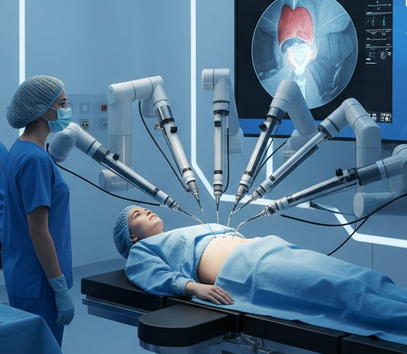
The Robot-Assisted LEEP Cervical Lesion Surgery in Korea is an advanced, precision-driven procedure that utilizes robotic surgical systems to enhance accuracy and safety in treating cervical lesions. By integrating high-definition imaging, robotic articulation, and magnified visualization, this technique allows surgeons to perform delicate excisions with exceptional precision while preserving healthy cervical tissue.
Korea is a world leader in robotic gynecologic surgery, with specialized centers equipped with the latest robotic platforms such as the da Vinci® Surgical System. These systems provide superior dexterity, stability, and precision, making Korea a top destination for robotic cervical lesion surgery.
Purpose & Benefits
Purpose:
- Precisely remove abnormal cervical tissue diagnosed via Pap smear, HPV test, or colposcopy
- Treat high-grade cervical intraepithelial neoplasia (CIN) or early cervical cancer
- Preserve cervical function and fertility
- Minimize surgical trauma and postoperative complications
Benefits:
- Superior surgical precision with robotic assistance
- Minimally invasive with reduced bleeding and scarring
- Enhanced visualization and margin control
- Reduced risk of cervical stenosis and pelvic floor damage
- Faster recovery and minimal pain
- Lower recurrence rates due to meticulous lesion excision
- Preservation of reproductive and pelvic health
Ideal Candidates
Robot-assisted LEEP is ideal for women who:
- Have abnormal Pap smear or HPV results requiring precise tissue removal
- Are diagnosed with CIN 2–3 or early cervical carcinoma
- Prefer a minimally invasive approach with maximum accuracy
- Wish to preserve fertility and cervical integrity
- Want reduced recovery time and minimal discomfort
Before surgery, Korean specialists conduct colposcopy, HPV testing, MRI, and detailed lesion mapping to ensure surgical precision and safety.
Possible Risks & Complications
Robot-assisted LEEP is highly safe, though risks may include:
- Light bleeding or spotting
- Mild pelvic discomfort or cramping
- Infection (rare with proper aseptic care)
- Cervical stenosis (rare)
- Rare recurrence of abnormal tissue
Korean hospitals significantly minimize these risks through advanced robotic guidance and comprehensive postoperative care.
Surgical Techniques Used
Korean surgeons use advanced robotic systems combined with specialized gynecologic tools to ensure precision and safety:
- Robotic High-Definition Imaging: Magnified visualization for precise lesion identification and removal.
- Articulated Robotic Instruments: Enable fine manipulation in tight surgical areas with minimal tissue trauma.
- Real-Time Margin Assessment: Ensures complete excision of abnormal tissue.
- Energy-Controlled Loop Excision: Reduces thermal injury and preserves healthy tissue.
- Integrated Pathology Review: Confirms lesion removal during surgery.
These techniques ensure both surgical success and preservation of cervical and pelvic function.
Recovery & Aftercare
Recovery from robot-assisted LEEP is generally quick, with most patients resuming daily activities within 2–4 days.
Aftercare includes:
- Avoiding sexual intercourse, tampon use, and heavy activity for 2–4 weeks
- Monitoring for light bleeding or discharge
- Attending follow-up colposcopy and Pap smear appointments
- Using prescribed pain relief or antibiotics if needed
- Maintaining proper hydration and nutrition for healing
Korean hospitals often provide personalized recovery plans including pelvic floor care and fertility preservation counseling.
Results & Longevity
Robot-assisted LEEP offers exceptional outcomes:
- Precise removal of abnormal cervical tissue
- Preservation of cervical structure and fertility
- Minimal postoperative pain and discomfort
- Faster return to daily activities
- Lower recurrence rates due to advanced margin control
- Long-term cervical health and reduced risk of pelvic floor issues
Korea’s leadership in robotic surgery ensures high patient satisfaction and durable results.
Treatment Process in Korea
- Initial Consultation & Diagnostic Work-Up: Pap smear, HPV testing, colposcopy, MRI, and lesion mapping.
- Surgical Planning: Robotic LEEP procedure tailored to lesion size and location.
- Robot-Assisted Surgery: High-definition, magnified, nerve- and pelvic floor-preserving excision.
- Postoperative Care: Includes wound monitoring, pathology review, and structured recovery guidance.
- Follow-Up & Long-Term Care: Regular colposcopy and HPV testing to ensure complete healing and prevent recurrence.
Korea provides comprehensive support services for international patients, including interpreter services, hospital navigation, and post-surgery recovery programs.
Cost Range
The Robot-Assisted LEEP Cervical Lesion Surgery in Korea generally ranges from USD 7,000 to 13,000, depending on:
- Lesion complexity and location
- Robotic platform and imaging technology used
- Hospital reputation and surgeon expertise
- Inclusion of pathology and postoperative care
- Holistic recovery program options
Most Korean clinics offer transparent pricing packages covering all aspects of the procedure.
Popular Clinics
- Samsung Medical Center (Seoul): Leading robotic gynecologic surgery center with cutting-edge imaging and precision tools.
- Asan Medical Center (Seoul): Offers advanced robot-assisted cervical lesion surgery with fertility preservation.
- Severance Hospital (Yonsei University, Seoul): Pioneers in robotic gynecologic surgery and personalized care.
- CHA Gangnam Medical Center: Specializes in minimally invasive and robot-assisted cervical procedures.
- Ewha Womans University Medical Center: Known for integrated robotic surgery and postoperative pelvic health programs.


