
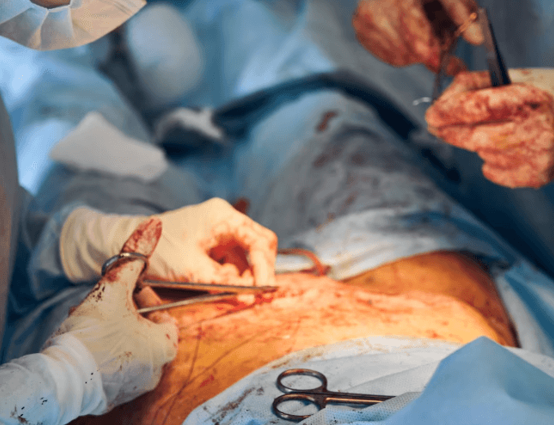
Treatment Overview
Laser-Assisted Marsupialization Surgery is a modern and minimally invasive gynecologic procedure designed to treat Bartholin cysts or abscesses — painful swellings that occur when the duct of the Bartholin gland becomes blocked. The procedure involves draining the cyst and then using a CO₂ or diode laser to create a small, permanent opening that allows continuous gland drainage and prevents recurrence.
In Korea, this treatment is performed under Women’s Health / OBGYN – Surgical Gynecology, using precision-based CO₂ laser technology combined with aesthetic micro-suturing and regenerative healing techniques. Korean OBGYN specialists are renowned for their expertise in aesthetic-functional laser gynecology, offering fast, pain-free, and scar-minimized results that restore comfort and natural function.
Purpose & Benefits
- Drains Bartholin cysts or abscesses effectively while maintaining gland function.
- Prevents recurrence by creating a new permanent drainage duct.
- Minimizes pain, swelling, and tissue damage using CO₂ or diode laser energy.
- Promotes quick healing with minimal risk of infection or scarring.
- Preserves vaginal symmetry and natural lubrication.
- Performed under local anesthesia or light sedation for comfort.
- Provides aesthetic and functional recovery with same-day discharge.
Ideal Candidates
- Women diagnosed with a Bartholin cyst or abscess.
- Patients with recurrent Bartholin gland blockages or infections.
- Those seeking a permanent solution without full gland removal.
- Women preferring laser-assisted, minimally invasive treatment.
- Patients desiring quick recovery and scar-free healing.
Possible Risks & Complications
Laser-assisted marsupialization in Korea is extremely safe and well-tolerated. However, minor and temporary effects may include:
- Mild swelling or tenderness for 1–2 days.
- Slight vaginal spotting or discharge.
- Temporary soreness during walking or sitting.
- Rare recurrence if the duct re-closes (very uncommon with laser precision).
Korean hospitals use sterile laser systems, micro-surgical tools, and antibacterial irrigation to minimize complications and ensure comfortable recovery.
Surgical Techniques Used
Korean gynecologic surgeons employ advanced laser-assisted microsurgical techniques to ensure complete cyst drainage, duct reconstruction, and aesthetic healing:
- CO₂ Laser Marsupialization: Uses precise laser energy to open the cyst, vaporize infected tissue, and create a smooth permanent drainage opening.
- Micro-Suturing Technique: Fine sutures secure the edges of the duct opening to prevent closure.
- Laser Antibacterial Sterilization: Vaporizes bacteria, reducing infection risk.
- Regenerative Collagen Therapy (Optional): Stimulates tissue healing and elasticity.
- Aesthetic Recontouring: Ensures symmetry and natural skin texture.
- Local or Sedation Anesthesia: Ensures a pain-free and comfortable experience.
Korean clinics use advanced CO₂ laser platforms such as SmartXide DE, Lumenis AcuPulse™, and MonaLisa Touch™, known for precise tissue targeting, minimal bleeding, and fast healing.
Recovery & Aftercare
- Procedure time: 20–30 minutes.
- Hospital stay: Outpatient; patients go home the same day.
- Recovery time: Resume light activities in 1–2 days, full recovery in 1 week.
- Mild soreness or discharge may occur briefly.
- Avoid sexual intercourse, tampon use, or soaking baths for 1–2 weeks.
- Gentle hygiene and warm sitz baths aid healing.
- Follow-up visits: Typically after 1 and 2 weeks to check duct patency.
- Long-term maintenance includes proper hygiene and hydration.
Results & Longevity
- Immediate relief from pain, swelling, and discomfort.
- Smooth, scar-free healing with preserved natural gland function.
- Prevents recurrence of cysts or abscesses effectively.
- Restores comfort, symmetry, and lubrication.
- High success rate (above 97%) in Korean hospitals.
- Long-term results with permanent gland drainage.
Treatment Process in Korea
South Korea is recognized worldwide for its excellence in laser gynecologic surgery, offering highly advanced, aesthetic-functional, and patient-centered care.
Most advanced and popular surgical techniques performed in Korea:
- CO₂ and diode laser marsupialization.
- Hybrid micro-laser duct reconstruction.
- AI-guided 3D imaging for duct localization.
- Collagen regenerative and antibacterial laser therapy.
Unique Korean methods or technology:
- Pain-free laser surgery with rapid recovery protocols.
- Combination of functional and aesthetic gynecology.
- Smart laser energy modulation for precision and safety.
- Regenerative PRP (Platelet-Rich Plasma) aftercare therapy.
- Digital postoperative follow-up and healing assessment.
Why Korea is a top destination for this surgery:
- Expert female OBGYN specialists trained in advanced laser gynecology.
- Hospitals equipped with world-class CO₂ laser systems and 4K visualization.
- Emphasis on aesthetic healing, patient comfort, and minimal downtime.
- Affordable, transparent medical costs with global standards of care.
- Comprehensive medical tourism infrastructure, including interpreters and recovery support.
Cost Range
The cost of Laser-Assisted Marsupialization Surgery in Korea depends on hospital type, equipment, and complexity:
- Typical Range: USD 900 – 1,800
- Standard Laser Marsupialization: USD 900 – 1,300
- Advanced CO₂ Laser Marsupialization with Regenerative Therapy: USD 1,200 – 1,800
- Comprehensive Package (Consultation, Laser Surgery, Medication, Follow-Up): USD 1,000 – 1,600
Most Korean hospitals offer all-inclusive, transparent pricing, covering consultation, local anesthesia, laser treatment, antibiotics, and follow-up care.
Popular Clinics with Advanced Laser-Assisted Marsupialization in Korea
- Seoul Miz Hospital – Leading center for CO₂ laser gynecology and aesthetic-functional vaginal surgery.
- MizMedi Hospital (Seoul) – Specialized in laser-based Bartholin cyst treatments and regenerative OBGYN procedures.
- Yoonho OB/GYN Hospital (Gangnam) – Expert in aesthetic-functional gynecology and micro-laser marsupialization.
- Gangnam Women’s Hospital – Offers scar-free laser Bartholin treatments with fast recovery programs.
- Asan Medical Center (Seoul) – Korea’s top tertiary hospital for advanced gynecologic laser surgery.
- Samsung Medical Center (Seoul) – Global innovator in CO₂ laser-assisted OBGYN and regenerative gynecology.
- Chung-Ang University Hospital – Academic expert in outpatient laser gynecology and tissue regeneration.


