
Treatment Overview
Menstrual Cycle Hormone Mapping is an advanced fertility evaluation that tracks and analyzes the natural hormonal fluctuations that occur throughout a woman’s menstrual cycle. By measuring hormones at specific phases of the cycle, specialists can assess ovulation, egg quality, luteal function, and overall reproductive health.
In Korea, fertility centers use precise hormonal mapping and digital reproductive analytics to monitor key hormones such as FSH, LH, estradiol, progesterone, AMH, and prolactin over the course of a full cycle. This detailed hormonal insight helps identify subtle imbalances or ovulatory irregularities that standard single-day hormone tests may miss.
Korean reproductive endocrinologists integrate hormone mapping with ultrasound follicle tracking, cycle monitoring apps, and AI-based analytics, providing a complete picture of the body’s fertility potential with unmatched accuracy.
Purpose & Benefits
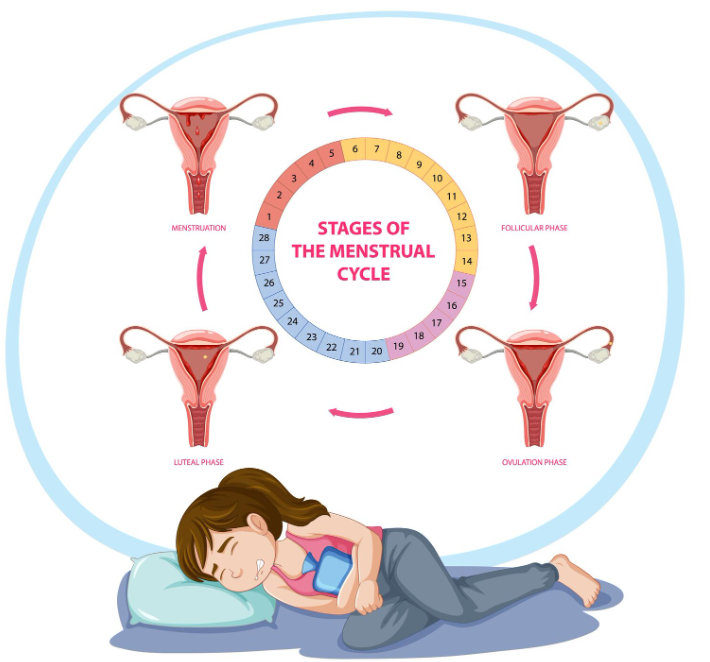
The goal of Menstrual Cycle Hormone Mapping is to understand how a woman’s hormones work together during different phases of her cycle — from follicular development to ovulation and luteal support.
Key Benefits Include:
- Determines ovulation timing and consistency
- Evaluates hormonal balance across follicular and luteal phases
- Diagnoses ovulatory dysfunction, luteal phase defects, or anovulation
- Identifies thyroid or prolactin imbalances affecting conception
- Monitors response to fertility medication or stimulation therapy
- Provides data-driven insight for IVF cycle planning
- Non-invasive, precise, and personalized to the patient’s hormonal rhythm
Korean fertility specialists use this test to optimize timing for natural conception or embryo transfer, improving pregnancy success rates through biologically tailored treatment.
Ideal Candidates
Menstrual Cycle Hormone Mapping is suitable for women who:
- Have irregular, absent, or unpredictable menstrual cycles
- Struggle to conceive naturally despite regular periods
- Suspect hormonal imbalances or ovulation disorders
- Are undergoing fertility treatment such as IUI or IVF
- Experience premenstrual syndrome, PCOS, or thyroid-related issues
- Wish to optimize fertility timing for conception or egg freezing
This test is ideal for both fertility diagnosis and cycle optimization, particularly in cases of unexplained infertility.
Possible Risks & Complications
Menstrual Cycle Hormone Mapping is a safe, non-invasive testing process involving only routine blood draws and ultrasound scans.
Minor and temporary effects may include:
- Mild bruising at the blood draw site
- Lightheadedness (rare)
- Emotional sensitivity during hormonal fluctuations
Korean clinics ensure comfortable, precise sampling and monitoring, performed by certified reproductive nurses and laboratory experts under OBGYN supervision.
Diagnostic Techniques Used
Korea’s fertility centers utilize state-of-the-art biochemical analyzers and cycle monitoring technologies for highly accurate hormonal mapping.
Typical Tests & Methods Include:
- Cycle Day 2–5 Testing: FSH, LH, AMH, and estradiol for ovarian reserve and follicle stimulation.
- Mid-Cycle Testing (Around Ovulation): LH surge detection and estradiol levels to confirm ovulation.
- Luteal Phase Testing (Day 21–24): Progesterone levels to evaluate corpus luteum function.
- Additional Hormonal Markers: Prolactin, TSH, DHEA-S, and insulin for metabolic and endocrine balance.
- Ultrasound Follicle Tracking: To correlate hormone levels with follicular growth and ovulation.
- Digital Cycle Mapping: Integration with fertility monitoring apps and AI-based pattern recognition for precision tracking.
Korean laboratories employ AI-integrated fertility diagnostics, ensuring comprehensive hormonal assessment and actionable insights for treatment planning.
Recovery & Aftercare
Since the evaluation consists of timed blood tests and imaging, no recovery or downtime is required.
Aftercare Recommendations:
- Maintain a consistent schedule for blood draws and cycle monitoring
- Record menstrual dates and any cycle symptoms
- Follow a balanced diet and adequate hydration
- Schedule a consultation to review results with your fertility specialist
Korean fertility experts provide personalized aftercare, interpreting your hormone map to guide lifestyle adjustments, treatment timing, and fertility optimization.
Results & Interpretation
Menstrual Cycle Hormone Mapping provides a dynamic hormonal profile rather than a single test snapshot.
Key Interpretations Include:
- High FSH or low AMH: Decreased ovarian reserve
- Abnormal LH surge: Irregular ovulation or PCOS
- Low luteal progesterone: Luteal phase defect affecting implantation
- Elevated prolactin or TSH: Endocrine disorders influencing fertility
- Optimal hormone pattern: Indicates healthy ovulation and cycle regularity
Korean specialists combine these results with ultrasound findings, basal body temperature, and cervical mucus assessment to create a personalized fertility timeline — improving conception rates naturally or via assisted reproductive treatments.
Testing Process in Korea
Korea’s fertility evaluation programs are globally recognized for their precision, technology, and patient-centered approach.
Typical Menstrual Cycle Hormone Mapping Process:
- Initial fertility consultation with an OBGYN or reproductive endocrinologist.
- Cycle Day 2–5: Baseline blood hormone test and ultrasound.
- Mid-Cycle: Ovulation hormone surge testing (LH, E2).
- Luteal Phase (Day 21–24): Progesterone and follow-up scan.
- Data compilation and analysis: AI-assisted cycle chart generation.
- Result consultation: Personalized fertility strategy and treatment plan.
Why Korea is a Top Destination for Hormonal Fertility Testing:
- Use of high-precision laboratory technology and AI-based fertility mapping
- Integration of ultrasound, hormonal, and genetic testing
- Expert reproductive endocrinologists and fertility teams
- Rapid result turnaround with digital report delivery
- Comprehensive care for local and international patients in a multilingual environment
Korea’s fertility clinics are at the forefront of hormone-driven reproductive medicine, providing the scientific accuracy and compassionate support patients seek.
Cost Range
The cost of Menstrual Cycle Hormone Mapping in Korea varies depending on the number of test points and whether additional imaging or consultation is included.
- Basic 3-Point Hormone Mapping (FSH, LH, E2, P4): USD $150 – $250
- Comprehensive Multi-Phase Hormone Map (with AMH, TSH, Prolactin, Ultrasound): USD $300 – $500
- Full Fertility Diagnostic Package (Cycle Mapping + Ultrasound + Consultation): USD $500 – $800
Korean fertility centers offer affordable, internationally competitive packages with detailed reporting and fertility counseling included.
Popular Clinics in Korea for Hormonal Fertility Evaluation
CHA Fertility Center (Seoul): Global pioneer in reproductive endocrinology and cycle-based fertility diagnostics.
MizMedi Women’s Hospital: Offers hormonal mapping with ultrasound correlation for IVF and natural fertility patients.
Maria Fertility Hospital: Provides multi-phase hormone testing and customized fertility tracking programs.
Seoul National University Hospital – Fertility Center: Specializes in endocrine and reproductive function mapping.
ID Women’s Health Center: Known for personalized hormonal evaluation and advanced cycle monitoring systems.


