
Treatment Overview
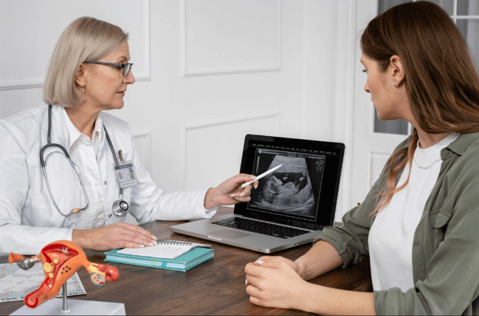
Reproductive Immunology Screening is a specialized fertility evaluation that examines how a woman’s immune system interacts with reproductive tissues, embryos, and hormones. In some cases, an overactive or imbalanced immune response can lead to repeated implantation failure, recurrent miscarriage, or unexplained infertility.
In Korea, reproductive immunology has become a cornerstone of advanced fertility care. Fertility centers use cutting-edge immunologic testing and molecular diagnostics to analyze immune cell activity, antibody levels, and inflammatory markers that can affect conception and pregnancy maintenance.
Korean specialists combine these immunologic insights with hormonal, genetic, and uterine evaluations, allowing precise treatment strategies such as immune-modulating therapy, lifestyle correction, or personalized IVF protocols.
Purpose & Benefits
The purpose of Reproductive Immunology Screening is to identify hidden immune factors that interfere with embryo implantation, pregnancy development, or hormonal balance.
Key Benefits Include:
- Detects immune-related causes of recurrent miscarriage or implantation failure
- Identifies autoimmune disorders that impact fertility (e.g., lupus, thyroid antibodies)
- Evaluates natural killer (NK) cell activity and cytokine balance
- Helps tailor immune therapy or anti-inflammatory treatments for successful conception
- Provides personalized IVF protocols based on immune profile
- Enhances pregnancy success rates by optimizing endometrial immune tolerance
- Non-invasive and highly accurate laboratory testing
Korean fertility specialists are internationally recognized for integrating immunologic diagnostics with advanced reproductive medicine, offering science-backed hope for patients with complex infertility.
Ideal Candidates
Reproductive Immunology Screening is recommended for:
- Women with recurrent implantation failure (RIF) during IVF cycles
- Those who have experienced two or more miscarriages
- Couples diagnosed with unexplained infertility
- Patients with autoimmune disorders such as lupus, Hashimoto’s thyroiditis, or rheumatoid arthritis
- Women with chronic endometritis or endometrial inflammation
- Patients with abnormal immune markers in prior testing
- Couples considering egg donation or advanced IVF protocols
It is especially valuable for patients who have had normal fertility evaluations but continue to face implantation or pregnancy loss issues.
Possible Risks & Complications
Reproductive Immunology Screening involves only blood testing and sometimes uterine fluid analysis, making it safe and non-invasive.
Possible minor concerns include:
- Mild bruising at the blood draw site
- Emotional impact when interpreting complex test results
- Rare false-positive or inconclusive readings, requiring follow-up
Korean fertility clinics provide comprehensive counseling and medical support, ensuring that results are clearly explained and treatment recommendations are evidence-based.
Diagnostic Techniques Used
Korean fertility hospitals utilize state-of-the-art immunologic and molecular technologies to identify subtle immune factors that affect fertility.
Common Tests and Techniques Include:
- Natural Killer (NK) Cell Activity Test: Measures immune cell cytotoxicity and proportion in peripheral blood.
- Cytokine and Th1/Th2 Ratio Test: Evaluates inflammatory vs. tolerance-promoting immune balance.
- Autoantibody Screening: Detects ANA, ACA, anti-TPO, anti-thyroglobulin, antiphospholipid antibodies, and lupus anticoagulant.
- HLA Compatibility Test: Checks genetic compatibility between partners that may trigger immune rejection of embryos.
- Endometrial Immunophenotyping: Analyzes immune cells (uNK, macrophages, plasma cells) in endometrial tissue.
- KIR Receptor and HLA-C Typing: Determines immune-genetic interactions affecting implantation success.
- Complement System Evaluation (C3, C4, CH50): Identifies immune overactivity linked to pregnancy complications.
These tests are conducted in Korea’s accredited reproductive immunology laboratories, using precision bioassay and AI-assisted data interpretation for the highest reliability.
Recovery & Aftercare
As this is a diagnostic evaluation, no recovery period is required.
Aftercare Steps:
- Maintain a healthy lifestyle to support immune balance (adequate sleep, stress reduction, balanced nutrition).
- Discuss results with your fertility specialist or immunologist.
- Begin recommended immune-regulating treatments such as low-dose steroids, IVIG, or intralipid infusions if prescribed.
- Schedule follow-up testing to monitor treatment response before the next conception attempt.
Korean clinics provide integrated post-screening support, ensuring patients receive both medical and emotional guidance.
Results & Interpretation
Reproductive Immunology Screening identifies whether a woman’s immune system is overactive, underactive, or imbalanced in a way that affects fertility.
Common Result Interpretations:
- Elevated NK cell activity: May attack embryo cells or endometrial lining.
- Abnormal Th1/Th2 ratio: Indicates excessive inflammation, reducing implantation chances.
- Positive autoimmune antibodies: Suggest underlying systemic immune response impacting reproductive tissues.
- HLA/KIR incompatibility: Can lead to implantation failure despite healthy embryos.
- Normal immune balance: Suggests immunologic factors are unlikely the cause of infertility.
Korean specialists interpret these results alongside genetic, hormonal, and uterine evaluations to form a holistic fertility strategy tailored to each patient’s immune profile.
Testing Process in Korea
Korea’s fertility and immunology programs are globally recognized for their precision, innovation, and integrative approach.
Typical Testing Process:
- Initial Consultation: Detailed medical and reproductive history assessment.
- Blood Draw and Sample Collection: Immunologic, hormonal, and genetic samples obtained.
- Laboratory Analysis: Advanced bioassays and molecular tests performed in specialized immunology labs.
- Result Interpretation: Reviewed by a reproductive immunologist and fertility specialist.
- Personalized Treatment Plan: May include immune-modulating therapy, anti-inflammatory medication, or IVF timing adjustment.
Why Korea is a Top Destination for Reproductive Immunology Screening:
- World-class reproductive immunology specialists and molecular testing labs
- Integration of immune, genetic, and hormonal diagnostics for complete fertility profiling
- AI-assisted test interpretation and precision data modeling
- High IVF success rates through immune-optimized implantation protocols
- Comprehensive international patient support and fast turnaround times
Korea’s leading fertility hospitals merge scientific rigor with compassionate care, offering global patients the best in reproductive immunology.
Cost Range
The cost of Reproductive Immunology Screening in Korea depends on the number and type of tests performed.
- Basic Immunology Panel (Autoimmune + NK Cell Test): USD $300 – $600
- Comprehensive Reproductive Immunology Screening: USD $800 – $1,500
- Advanced Genetic & Immune Compatibility Package (HLA/KIR + Cytokine + Autoantibody): USD $1,500 – $2,500
Korean fertility centers provide customized diagnostic packages for international patients, often combining reproductive immunology with hormonal and genetic evaluations.
Popular Clinics in Korea for Reproductive Immunology Testing
CHA Fertility Center (Seoul): Global leader in reproductive immunology research and personalized IVF protocols.
Maria Fertility Hospital: Offers advanced NK cell and autoimmune testing integrated with IVF treatment.
MizMedi Women’s Hospital: Specializes in immunologic fertility testing and recurrent miscarriage management.
Seoul National University Hospital – Fertility Center: Renowned for research-based immune diagnostics and reproductive immunology.
ID Women’s Health Center: Provides comprehensive immune screening and fertility treatment planning for international patients.


