
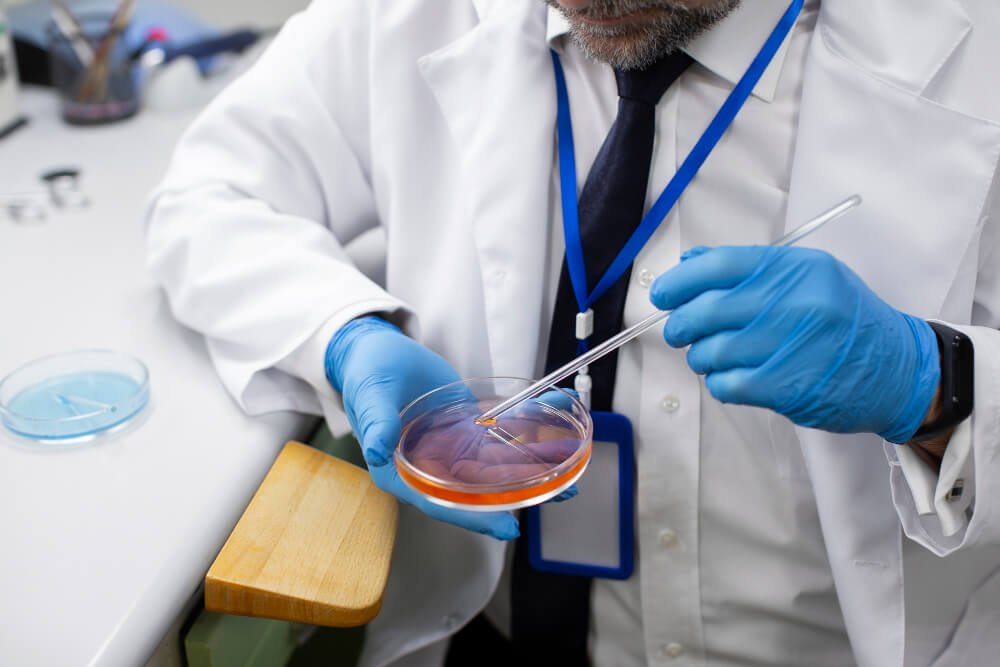
Treatment Overview
Holmium Laser Enucleation of the Prostate (HoLEP) is a modern, minimally invasive surgical procedure designed to treat benign prostatic hyperplasia (BPH) — the non-cancerous enlargement of the prostate gland.
In HoLEP, surgeons use a high-powered holmium laser to carefully enucleate (remove) obstructing prostate tissue through the urethra, leaving the outer capsule intact. The tissue is then fragmented and removed with a morcellator. This advanced method provides precise removal, minimal bleeding, and long-lasting symptom relief compared to traditional TURP.
Purpose & Benefits
- Relieves urinary obstruction caused by enlarged prostate
- Minimizes bleeding due to laser coagulation
- Suitable for very large prostates (up to 200 grams or more)
- Shorter catheterization and hospital stay compared to TURP
- Long-term symptom improvement with low recurrence rates
- Reduced need for re-surgery compared to traditional methods
- Promotes quick recovery and minimal blood loss
Ideal Candidates
- Men with moderate to severe BPH symptoms (weak flow, frequent urination, incomplete emptying)
- Patients with large prostate glands unsuitable for TURP
- Those unable to tolerate significant blood loss (e.g., on anticoagulant therapy)
- Individuals seeking a durable, minimally invasive alternative to open prostate surgery
- Patients fit for spinal or general anesthesia
Possible Risks & Complications
Although HoLEP is considered highly safe, potential risks include:
- Temporary urinary incontinence (usually resolves in weeks)
- Mild bleeding or burning during urination
- Retrograde ejaculation (common and harmless)
- Urinary tract infection
- Rare urethral stricture or bladder injury
- Temporary urgency or frequency post-surgery
Surgical Techniques in Korea
Korea is globally recognized for its advanced laser-based prostate surgeries, with HoLEP being a standard of excellence.
- Holmium Laser Enucleation: Performed using high-precision holmium:YAG lasers.
- Three-Lobe or Two-Lobe Techniques: Tailored to patient anatomy for efficient removal.
- Moses Laser Technology (Advanced Variant): Allows faster tissue cutting and better hemostasis.
- Use of 3D Endoscopes: Provides enhanced visualization of prostate structures.
- Korean surgeons are known for combining HoLEP with rapid recovery protocols and high patient satisfaction rates.
Recovery & Aftercare
- Catheter typically removed within 24 hours
- Hospital stay: 1–2 days for monitoring
- Light activity can resume within a few days
- Avoid strenuous exercise and sexual activity for 3–4 weeks
- Stay well-hydrated and avoid caffeine or alcohol initially
- Most patients experience significant urinary improvement within a week
- Follow-up exams ensure complete recovery and monitor bladder function
Results & Longevity
HoLEP offers exceptional long-term outcomes, often lasting over 10–15 years.
Patients typically report significant improvements in flow rate, bladder emptying, and symptom scores. The chance of prostate tissue regrowth or needing reoperation is extremely low, making HoLEP one of the most durable solutions for BPH worldwide.
Treatment Cost in Korea
- Average cost: USD 5,000 – 10,000 depending on hospital and technology used
- High-end centers with advanced lasers: up to USD 13,000
- Pricing includes consultation, anesthesia, hospitalization, and follow-ups
- Still more affordable compared to similar treatments in the U.S. or Japan
- Medical tourism programs often include accommodation and translation services
Popular Clinics in Korea (Who Provide This Service)
- Asan Medical Center, Seoul – Advanced HoLEP and laser surgery programs
- Samsung Medical Center, Seoul – High-end laser systems and expert urologists
- Severance Hospital (Yonsei University) – Pioneer in large-prostate HoLEP cases
- Seoul National University Hospital (SNUH) – Research-driven and international patient-friendly
- Gachon University Gil Medical Center, Incheon – Specialized laser urology center
Zigzag Sub-Brow Excision Technique in Korea | Cost, Types, Doctors & Best Seoul Clinics (Adapted for HoLEP)
This section highlights advanced HoLEP techniques and top specialists in Korea:
- Moses Laser HoLEP: Offers faster cutting and reduced bleeding.
- En-bloc Enucleation Technique: Allows complete tissue removal in a single piece, minimizing complications.
- Cost Range: USD 6,000 – 12,000 depending on technology and hospital.
- Top Korean Urologists:
- Dr. Park Hyun Soo – Asan Medical Center
- Dr. Choi Han Yong – Samsung Medical Center
- Dr. Kim Dong Hyun – Severance Hospital
- Best Seoul Clinics: Samsung Medical Center, Severance, Asan, and SNUH — all offering full English support and advanced laser platforms.


