
Hair transplants are among the most effective and long-lasting treatments for hair loss today. And when it comes to innovation, precision, and natural-looking results, South Korea stands out as a global leader in hair restoration surgery. From world-renowned plastic surgeons to cutting-edge technology and patient-centered care, Korean clinics have become the go-to destination for medical tourists seeking permanent solutions for baldness and thinning hair.
This comprehensive guide will explain what a hair transplant is, the types of procedures available, why Korea is a top destination, and what you can expect before, during, and after your treatment.
💡 What Is a Hair Transplant?
A hair transplant is a surgical procedure in which healthy hair follicles are removed from one part of the body (usually the back or sides of the scalp, known as the “donor area”) and implanted into areas experiencing hair loss (the “recipient area”).
The transplanted follicles are genetically resistant to balding, which means once they take root in the recipient area, they continue to grow naturally and permanently.
🔍 Types of Hair Transplant Techniques in Korea
Korean clinics offer a variety of hair transplant methods, each tailored to the patient’s unique needs and aesthetic goals:
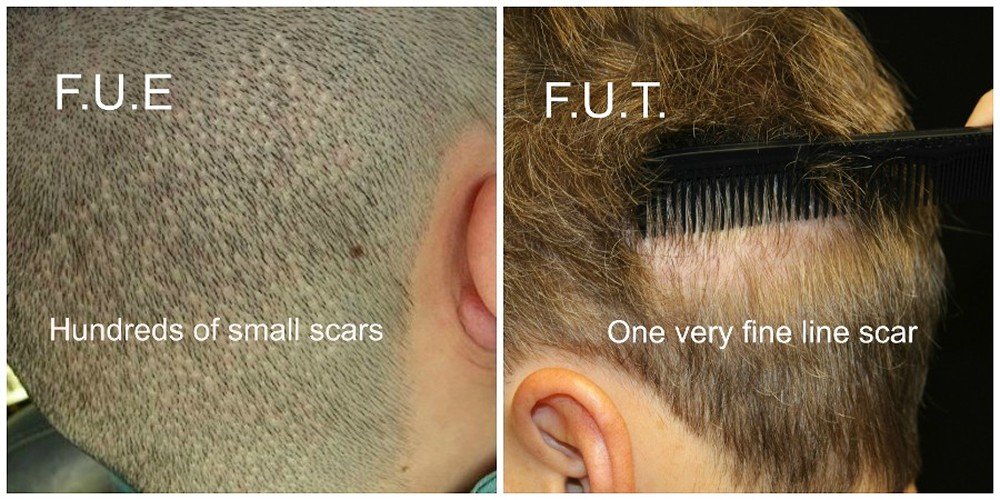
1. FUE (Follicular Unit Extraction)
- What it is: Individual hair follicles are extracted one by one using a micro-punch tool.
- Advantages:
- Minimally invasive
- No linear scarring
- Faster healing time
- Ideal for patients who wear short hairstyles
- Korean innovation: Many clinics use robotic or motorized FUE systems for greater precision and graft survival.
2. FUT (Follicular Unit Transplantation) or Strip Method
- What it is: A strip of scalp is surgically removed from the donor area, and follicular units are dissected under a microscope before transplantation.
- Advantages:
- Higher number of grafts in one session
- Often more affordable per graft
- Preferred for advanced hair loss cases
3. Hybrid Techniques
- Some Korean surgeons combine FUE and FUT to optimize results based on individual hair density, scalp laxity, and restoration goals.
4. Robotic Hair Transplant
- Korean clinics are early adopters of AI-guided robotic FUE systems, which help automate extraction and implantation with extreme precision, improving speed and consistency.
🇰🇷 Why Choose a Hair Transplant in Korea?
✅ 1. Highly Skilled Surgeons
- Korean surgeons undergo rigorous training in plastic and reconstructive surgery.
- Many specialize exclusively in hair restoration and design natural-looking hairlines suited to the patient’s ethnicity and facial symmetry.
✅ 2. State-of-the-Art Technology
- Clinics in Seoul and Busan are equipped with the latest extraction tools, robotic systems, and 3D scalp analysis software.
- Microsurgical techniques ensure minimal trauma and high graft survival rates.
✅ 3. Focus on Aesthetics
- Korean surgeons are known for their artistic approach, creating soft, age-appropriate hairlines and strategic graft placement to mimic natural growth patterns.
✅ 4. Excellent Medical Tourism Services
- English-speaking staff, visa assistance, airport transfers, and accommodation coordination are commonly offered.
- Many clinics cater specifically to international patients from the U.S., Europe, Southeast Asia, and the Middle East.
👤 Who Is an Ideal Candidate?
- Adults (men and women) with pattern baldness (androgenetic alopecia)
- People with scarring alopecia or hair loss from injury/surgery
- Individuals with sufficient donor hair
- Patients with realistic expectations
- Those in good overall health
🏥 What to Expect at a Korean Hair Transplant Clinic
🔹 1. Initial Consultation
- Comprehensive scalp analysis using dermatoscopy or digital imaging
- Detailed discussion of goals, expectations, and hairline design
- Explanation of FUE, FUT, or hybrid techniques based on your condition
🔹 2. Pre-Operative Instructions
- Avoid smoking, alcohol, and certain medications
- Scalp cleansing and mild antibiotic shampooing may be required
🔹 3. Day of Surgery
- Local anesthesia is administered
- Graft extraction, preparation, and implantation are performed
- Procedure duration: 4–8 hours depending on graft number
🔹 4. Post-Operative Care
- Gentle washing after 2–3 days
- Avoid strenuous activity for a week
- Medication prescribed for pain, swelling, and infection prevention
- Clinics provide written instructions, videos, and follow-up calls
📅 Recovery Timeline and Results
| Timeframe | What Happens |
|---|---|
| 1–7 Days | Redness, scabbing, and mild swelling |
| 2–8 Weeks | Shedding of transplanted hairs (normal shock loss) |
| 3–4 Months | New hair growth begins (fine and soft) |
| 6–9 Months | Significant visible improvement |
| 12 Months | Full results, with thicker, stronger hair |
💬 Korean surgeons emphasize patience and proper aftercare to ensure maximum graft survival and density.
💰 Cost of Hair Transplants in Korea
- FUE: ₩3,000–₩6,000 per graft (~$2.50–$5 USD/graft)
- FUT: More affordable, with bulk pricing for larger sessions
- Full procedures: Range from ₩2M to ₩8M ($1,500–$6,000 USD)
Many Korean clinics offer transparent, all-inclusive packages that include:
- Pre-op consultation
- Surgery and post-op medication
- 1–2 nights stay (optional)
- English translation support
✈️ Tips for Medical Tourists
- Book consultation 1–2 weeks in advance if traveling
- Plan for at least 7 days in Korea for surgery and initial recovery
- Choose clinics with international accreditations or reviews
- Bring a translator app if the clinic doesn’t provide staff support
- Ask about touch-up policies or remote follow-up services
🧠 FAQs
❓ Will the results be permanent?
Yes, transplanted hair is permanent and grows naturally for a lifetime.
❓ Does the procedure hurt?
Local anesthesia ensures minimal pain; most patients report only mild discomfort.
❓ Can women get hair transplants in Korea?
Absolutely. Many Korean clinics offer specialized procedures for female pattern hair loss, hairline lowering, and temple restoration.
🏁 Final Thoughts
Hair transplantation is more than a cosmetic fix — it’s a confidence-restoring medical procedure. Korean clinics offer an exceptional blend of medical excellence, aesthetic mastery, and international patient care that has positioned them at the forefront of the global hair restoration field.
Whether you’re in the early stages of hair loss or seeking a permanent solution after years of thinning, a hair transplant in Korea could be your best option for lasting, natural results.


