
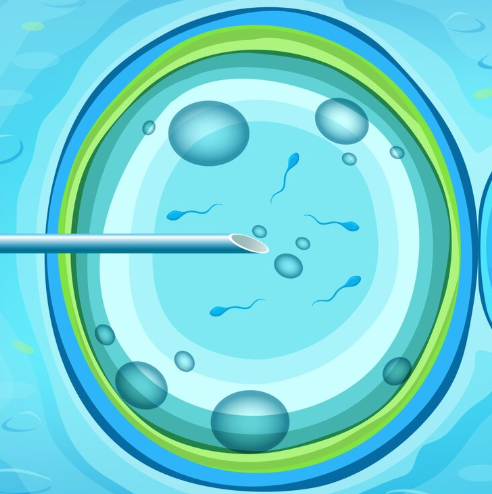
Treatment Overview
Thermal-Optimized Egg Freeze in Korea is an advanced and precision-engineered fertility preservation method that enhances traditional oocyte cryopreservation (egg freezing) by using thermally controlled vitrification and cryostorage systems. This next-generation technology maintains eggs at precise, stable temperatures throughout every phase of the freezing and storage process, protecting delicate cellular structures from even microscopic temperature fluctuations.
Korean fertility centers have integrated AI-assisted thermal sensors, micro-controlled freezing chambers, and biobank-grade liquid nitrogen systems to achieve consistent thermal stability — resulting in unmatched egg survival rates, structural integrity, and fertilization potential.
This innovation reflects Korea’s leadership in reproductive cryotechnology, where clinical precision, engineering innovation, and patient safety converge to deliver world-class fertility preservation outcomes.
Purpose & Benefits
The main purpose of Thermal-Optimized Egg Freeze is to ensure the maximum possible survival and quality of oocytes by eliminating temperature-related cellular damage during vitrification, transport, and long-term cryostorage.
Key benefits include:
- Stable cryogenic environment: Maintains consistent −196°C temperatures across all storage phases.
- Enhanced egg survival: Prevents microthermal stress and structural damage.
- Improved fertilization rates: Eggs retain higher cytoplasmic and DNA integrity post-thaw.
- Reduced ice crystal formation: Ensures complete vitrification during freezing.
- Long-term viability: Maintains oocyte quality for up to two decades.
- AI-based thermal monitoring: Automated systems adjust environmental conditions in real time.
- Superior safety and traceability: Temperature fluctuations are logged, monitored, and corrected continuously.
In Korea, this system is often combined with genetic screening, hormonal profiling, and biobank data integration, making it one of the most advanced fertility preservation solutions in the world.
Ideal Candidates
Thermal-Optimized Egg Freeze in Korea is suitable for women seeking premium-level fertility preservation with the highest assurance of egg safety and longevity.
Ideal candidates include:
- Women aged 20s to late 30s wishing to preserve fertility at peak biological quality.
- Professionals delaying pregnancy for career or personal goals.
- Women preparing for medical treatments (e.g., chemotherapy, radiation, or surgery).
- Patients who have experienced egg quality decline from previous freezing cycles.
- Individuals requiring international transport or long-term biobank storage of eggs.
- Women who value advanced cryogenic security and quality assurance.
This treatment is particularly ideal for those who want superior control, safety, and technological precision throughout the egg freezing journey.
Possible Risks & Complications
Egg freezing, including thermal-optimized protocols, is a safe procedure with minimal complications. However, as with all fertility treatments, minor side effects may occur:
- Temporary bloating or pelvic discomfort during ovarian stimulation.
- Mild spotting after egg retrieval.
- Rare occurrence of ovarian hyperstimulation syndrome (OHSS).
- Emotional stress or anxiety during the cycle.
Korean fertility centers use individualized hormone protocols, AI-based temperature calibration, and real-time laboratory monitoring to minimize every potential risk.
Surgical & Laboratory Techniques Used
Korea’s Thermal-Optimized Egg Freeze technique merges reproductive medicine with precision cryo-engineering, offering a highly stable and secure preservation process.
Core procedures and technologies include:
- Personalized Ovarian Stimulation: Custom-tailored hormone dosing to optimize follicular growth.
- Ultrasound-Guided Egg Retrieval: Minimally invasive aspiration under light sedation.
- Oocyte Evaluation: Advanced microscopy and AI-based imaging to select mature, healthy eggs.
- Thermal-Regulated Vitrification: Automated freezing chambers ensure ultra-fast cooling with uniform temperature distribution to prevent ice formation.
- Cryoprotectant Management: Optimal concentration and exposure time minimize osmotic stress on oocytes.
- Cryostorage in Thermal-Stabilized Biobank Systems: Eggs stored in liquid nitrogen tanks with automated, real-time thermal control and backup systems.
- Temperature Data Logging & AI Alerts: Continuous digital recording of each sample’s thermal stability to ensure long-term integrity.
Korea’s fertility laboratories comply with international GLP and ISO standards, ensuring each egg is preserved under flawless, stable thermal conditions.
Recovery & Aftercare
Recovery from the egg retrieval process is simple and quick, with most women returning to daily routines within 24 hours.
Standard aftercare includes:
- Rest for several hours post-procedure.
- Avoiding heavy physical activity for one to two days.
- Staying hydrated and maintaining a nutrient-rich diet.
- Following any prescribed hormone or progesterone support regimen.
- Scheduling follow-up appointments for health review and storage verification.
Korean fertility clinics complement aftercare with wellness and nutritional counseling, ensuring hormonal recovery and emotional balance after the procedure.
Results & Longevity
Thermal-Optimized Egg Freeze in Korea delivers exceptional clinical outcomes due to advanced cryogenic consistency and precision control.
Typical success rates include:
- Egg survival rate after thawing: 97–99%.
- Fertilization rate post-thaw: 75–85%.
- Embryo development rate: Comparable to fresh oocytes.
- Long-term storage stability: Eggs remain viable for 15–20 years with zero degradation.
- Improved post-thaw morphology: Maintains cytoplasmic and nuclear integrity through uniform freezing.
By maintaining complete thermal stability, Korean fertility programs achieve globally superior success in both short-term preservation and long-term outcomes.
Treatment Process in Korea
The Thermal-Optimized Egg Freeze program in Korea follows a scientifically structured and technologically advanced process designed for maximum safety, accuracy, and patient comfort.
Step 1: Consultation & Fertility Assessment
Detailed hormonal (AMH, FSH, LH) and ultrasound evaluations to determine ovarian health and customize stimulation plans.
Step 2: Controlled Ovarian Stimulation
Low to moderate doses of gonadotropins stimulate the ovaries to produce mature eggs while minimizing side effects.
Step 3: Monitoring & Ovulation Trigger
Regular blood tests and ultrasounds track follicle growth; an ovulation trigger is administered at the optimal moment.
Step 4: Egg Retrieval
Performed under sedation using ultrasound guidance for precision and patient comfort.
Step 5: Thermal-Regulated Vitrification
Collected eggs are flash-frozen using micro-controlled vitrification chambers that stabilize temperature across all cryogenic layers.
Step 6: Cryostorage & Maintenance
Eggs are stored in biobank tanks equipped with automated sensors, emergency cooling backup, and 24/7 digital monitoring systems.
Why Korea Leads in Thermal-Optimized Egg Freezing
Korea’s expertise in fertility technology and cryogenics sets it apart globally. Key advantages include:
- AI-integrated temperature regulation systems.
- Automated vitrification and thawing platforms.
- 24-hour laboratory surveillance and dual cryogenic backup.
- Highly trained embryologists and cryobiologists.
- Ethical, transparent fertility preservation standards.
- Competitive pricing for world-class cryotechnology.
This combination of medical precision, advanced engineering, and patient-centered care defines Korea’s global leadership in reproductive cryoscience.
Cost Range
The cost of Thermal-Optimized Egg Freeze in Korea varies depending on the clinic, the number of cycles, and the chosen cryostorage duration.
- Standard Thermal-Optimized Cycle: USD 4,000 – 5,500
- Advanced Cryo-Biobank Package (AI Monitoring): USD 5,500 – 7,000
- Annual Cryostorage Fee: USD 300 – 600
- Comprehensive Multi-Year Package (3–5 years): USD 6,500 – 9,000
Packages generally include consultation, stimulation, monitoring, egg retrieval, vitrification, and one year of secure storage.
Popular Clinics
Korea’s top fertility clinics offering Thermal-Optimized Egg Freezing combine reproductive medicine with thermal engineering excellence, ensuring the safest and most reliable oocyte preservation.
CHA Fertility Center (Seoul & Bundang)
Global leader in thermally regulated vitrification and AI-integrated cryostorage management.
Asan Medical Center – Department of Reproductive Medicine
Specializes in precision-controlled egg freezing with advanced cryogenic infrastructure.
MizMedi Women’s Hospital (Seoul)
Offers premium egg freezing using automated temperature-regulated vitrification systems.
Hamchoon Women’s Clinic
Known for biothermal safety management and long-term fertility cryostorage programs.
G Clinic (Seoul)
Provides cost-effective thermal-optimized egg freezing with secure biobank-grade facilities.


