
Treatment Overview
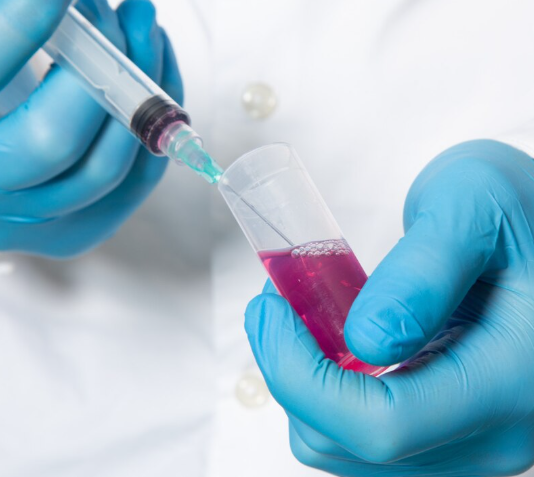
Donor Sperm ICSI (Intracytoplasmic Sperm Injection) is a specialized IVF technique in which a single donor sperm is directly injected into an egg to achieve fertilization. This is especially useful when sperm quality, motility, or numbers are limiting—even with donor sperm. In Korea, fertility centers combine this approach with cutting-edge laboratory systems, precise micromanipulation, and robust quality control to maximize fertilization success while ensuring genetic safety and embryo viability.
Purpose & Benefits
The aims and advantages of Donor Sperm ICSI include:
- Overcoming limitations of sperm quality, motility, or morphology—even when using donor sperm
- Ensuring fertilization even when conventional IVF might fail
- Enabling reliable use of cryopreserved donor sperm, which may have somewhat reduced motility after freezing
- Integration with genetic testing (PGT) and embryo selection to improve implantation and reduce miscarriage risk
- Producing high fertilization and embryo yield, which then allows selection of the best embryos for transfer or freezing
By combining donor sperm with ICSI, Korean clinics can mitigate many sperm-related barriers and enhance overall IVF efficiency.
Ideal Candidates
This method is particularly indicated for:
- Recipients using donor sperm where sperm motility or viability is suboptimal, even in donor samples
- Cases of previous fertilization failure or low fertilization rate in standard IVF cycles
- Situations where donor sperm has been cryopreserved and thawed, reducing motility
- Patients wanting maximal control and success in their fertilization stage
- Couples seeking to combine donor sperm with PGT or advanced embryo diagnostics
In short, whenever the sperm side may pose a risk to fertilization success, Donor Sperm ICSI is the preferred technique.
Possible Risks & Complications
While ICSI is well established and safe when properly done, risks include:
- Slight risk of embryo damage during micromanipulation
- Potential for injection of compromised sperm (though donor screening reduces this)
- Slightly increased risk of genetic or epigenetic anomalies—hence genetic screening is often advised
- Standard IVF retrieval risks (ovarian stimulation, egg retrieval side effects)
- Emotional stress if repeated cycles are necessary
- Multiple pregnancy if more than one embryo is transferred
However, Korean fertility labs mitigate most of these risks via highly trained embryologists, sterile micromanipulation environments, and rigorous embryo monitoring.
Surgical & Laboratory Techniques Used
Key techniques and technologies employed in Donor Sperm ICSI in Korea:
- Micromanipulation under high-resolution inverted microscopes for injecting sperm into the egg cytoplasm
- Piezo or hydraulic microinjection systems to reduce mechanical stress on eggs
- Time-lapse embryo monitoring post-fertilization for dynamic developmental tracking
- AI-based embryo selection and scoring systems to identify the embryos with the best implantation potential
- Blastocyst culture and selection to mature embryos to day 5–6 before transfer
- Preimplantation Genetic Testing (PGT-A or PGT-M) as optional layer of genetic safety
- Vitrification of surplus embryos for future use
- Strict traceability and sample handling protocols to ensure donor sperm identity and safety
Korean labs also often incorporate robotic or automated sample handling and lab information systems to minimize human error.
Recovery & Aftercare
Because ICSI is a laboratory procedure, recovery and aftercare focus on the recipient’s side (egg retrieval and embryo transfer):
- After egg retrieval: mild cramping, bloating; most patients can resume light activities within a day or two
- After embryo transfer: short rest period, then gradual return to regular activity
- Hormonal support (progesterone, estrogen) to support the uterine lining until pregnancy is confirmed
- Monitoring via blood tests (β-hCG) about two weeks post-transfer
- Ultrasound scans to confirm implantation and fetal development
- Lifestyle, nutrition, and emotional support are part of holistic aftercare
Korean fertility centers typically provide close follow-up with a structured monitoring schedule and patient support.
Results & Longevity
- Fertilization success rates with ICSI are much higher than conventional IVF in challenging sperm cases
- Embryo quality and selection allow better cumulative pregnancy chances
- Cryopreserved embryos from donor sperm ICSI can be used in future cycles, preserving fertility potential
- Long-term outcomes (live birth rates, child health) are comparable to those of conventional IVF in well-managed programs
- Korean clinics’ reputation for consistency and high laboratory standards supports stable outcome longevity across cycles
Treatment Process in Korea
The process in leading Korean IVF centers typically works like this:
- Comprehensive fertility assessment of recipient, uterine preparation
- Donor sperm selection from certified banks, with genetic and health screening
- Cryopreservation or thawing of donor sperm, quality verification
- Ovarian stimulation or synchronized cycle for the recipient
- Egg retrieval under sedation
- Micromanipulation: injecting donor sperm into each mature egg (ICSI)
- Embryo culture to blastocyst stage with time-lapse monitoring
- Optional genetic testing and embryo selection
- Transfer of selected embryos into uterus
- Cryopreservation of extra embryos
- Post-transfer hormonal support and follow-up until pregnancy is confirmed
What sets Korea apart:
- Highly advanced micromanipulation labs and robotic-assisted embryo handling
- Integration of AI-based embryo scoring and lab automation
- Strict regulatory and ethical oversight ensuring donor sample integrity
- International patient support systems (coordination, translation, logistics)
- Cost-effective, high-quality services with shorter wait times compared to many Western clinics
These advantages make Korea a globally competitive destination for Donor Sperm ICSI.
Cost Range
Estimated costs (depending on clinic, lab sophistication, inclusion of genetic testing and support services):
- Base Donor Sperm ICSI cycle (without genetic testing): USD 7,000 to 12,000
- With Preimplantation Genetic Testing: USD 10,000 to 15,000+
- Embryo freezing/storage add-ons: USD 1,000 to 2,000
- Donor sperm selection and processing fees: USD 500 to 2,000
- Multi-cycle or package deals may offer reduced per-cycle cost
Korean clinics tend to offer more competitive pricing than many Western centers while maintaining top-tier lab quality and clinical outcomes.
Popular Clinics
Some prominent clinics in Korea with strong reputations in IVF and ICSI (including donor sperm programs) include:
- CHA Fertility Center (Seoul) — known for advanced ART and micromanipulation capability
- Maria Fertility Hospital — comprehensive fertility services and lab strength
- MizMedi Women’s Hospital — experienced in international fertility cases
- GynART Reproductive Center — technology-forward approach to IVF and ICSI
- Hamchoon Women’s Clinic — genetic testing expertise and infertility specialization


