
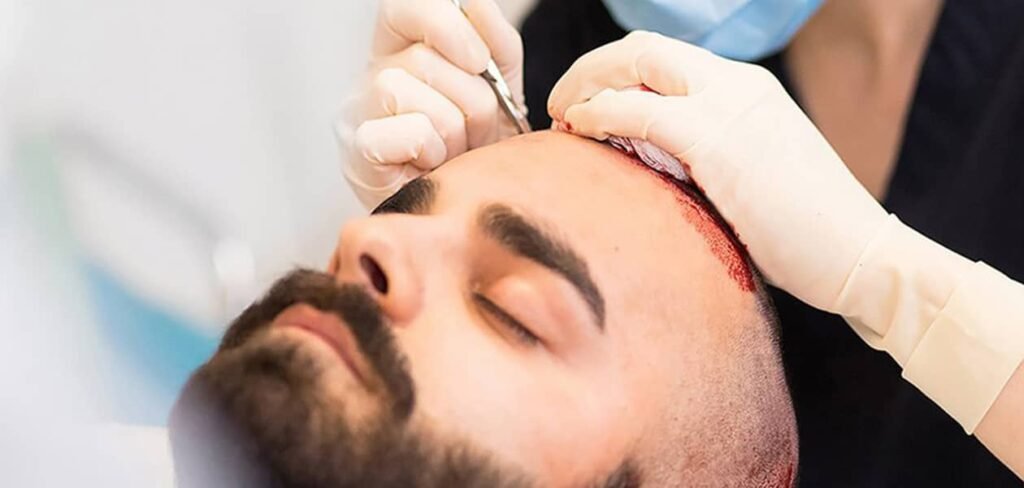
Trusted Insights from Top Korean Hair Restoration Clinics
Hair loss affects millions worldwide, and with advancements in surgical technology, more international patients are turning to Korea’s FUE hair transplant clinics for permanent, natural-looking restoration. Known for its minimally invasive approach, FUE (Follicular Unit Extraction) is especially appealing to medical tourists who seek discreet, fast-recovery treatments while traveling.
In this guide, leading Korean hair surgeons explain why FUE is the preferred choice for international patients, what to expect before, during, and after surgery, and how to make the most of your medical visit to Korea.
🇰🇷 Why Korea for FUE Hair Transplant?
Korea is a global hub for aesthetic medicine and advanced surgical techniques. Hair transplant clinics here offer:
✅ International Standards of Safety and Precision
- Use of state-of-the-art FUE equipment (e.g., motorized and robotic punch tools)
- Ultra-fine punches (0.6–0.9 mm) for less trauma and faster healing
- High-density, natural hairline design
✅ Experienced Surgeons & English-Speaking Teams
- Board-certified hair restoration specialists
- English-speaking coordinators and interpreters
- Personalized care from consultation to post-op
✅ Convenience for Medical Tourists
- Online consultations before travel
- Airport pickup, hotel arrangements, and local transportation
- All-inclusive medical packages with post-op kits and follow-ups
🔍 What Is FUE Hair Transplant?
Follicular Unit Extraction (FUE) is a modern, minimally invasive hair transplant method that involves harvesting individual hair follicles from the donor area (usually the back of the scalp) and implanting them into thinning or balding areas.
Key Features:
- No linear scar (unlike FUT)
- Minimal downtime
- Ideal for patients who prefer short hairstyles
- Less discomfort and faster healing
🧑⚕️ Why FUE Is Ideal for Medical Tourists
- Minimally Invasive Surgery
- No stitches or sutures
- Low risk of infection
- Most patients resume light travel activities within 48–72 hours
- Quick Recovery
- Return home within a week
- Swelling and redness subside within a few days
- Follow-up can be done remotely
- Discreet and Natural Results
- No telltale signs of surgery
- Hairlines are artistically designed to match your face shape and ethnic features
- Flexible Scheduling
- Shorter procedure times (4–8 hours)
- Available for booking even on tight travel timelines
✈️ Travel Timeline for FUE Medical Tourists
| Day | Activity |
|---|---|
| Day 1 | Arrival in Korea, rest and settle in |
| Day 2 | In-person consultation, scalp assessment |
| Day 3 | FUE hair transplant surgery |
| Day 4 | Post-op cleaning, check-up |
| Day 5–7 | Optional sightseeing or rest |
| Day 7–10 | Safe to fly home |
💸 Cost of FUE for International Patients in Korea
Prices vary based on graft count, surgeon experience, and service packages.
| Grafts | Estimated Cost (USD) |
|---|---|
| 1,000 grafts | $2,000–$3,000 |
| 2,000 grafts | $3,500–$5,500 |
| 3,000+ grafts | $6,000+ |
✨ Many clinics offer discounts for medical tourists, including hotel stays and airport transfers.
🧳 What to Bring for Your FUE Trip
- Loose-fitting shirts (avoid overhead garments post-surgery)
- Neck pillow for sleep comfort
- Personal medication and basic toiletries
- Passport and medical documentation
- International credit card or Korean won
💬 Final Advice from Korean Hair Surgeons
“FUE is the perfect solution for patients who want natural results with minimal disruption to their lifestyle. Korea offers the latest techniques with world-class hospitality—making it an excellent choice for hair restoration abroad.”
—Dr. Min Soo Kim, FUE Specialist, Seoul


