
Treatment Overview
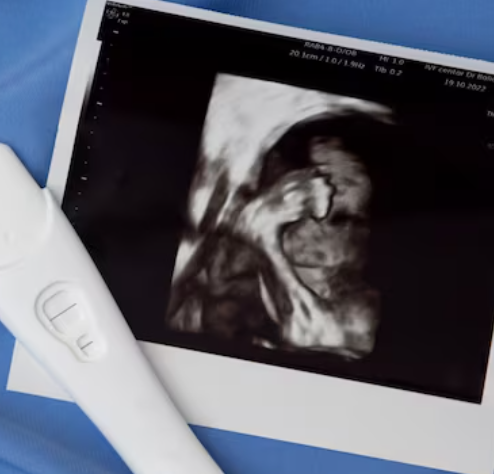
Placental Doppler ultrasonography is a cornerstone of maternal-fetal monitoring, particularly for pregnancies complicated by hypertension, preeclampsia, or placental insufficiency. It is a specialized ultrasound technique that measures blood flow in the uterine, umbilical, and fetal vessels, providing critical insights into placental function and fetal well-being.
In Korea, Placental Doppler studies are part of the standard Hypertension in Pregnancy Management Protocol, performed regularly in women with elevated blood pressure or vascular complications. The goal is to detect impaired uteroplacental circulation early, allowing doctors to intervene before serious complications occur.
Korean hospitals utilize high-resolution Doppler imaging, advanced 3D/4D ultrasound, and AI-based flow analysis systems to ensure precision and consistency in evaluating maternal-fetal blood flow. This level of technology and expertise has made Korea a leader in prenatal vascular imaging for high-risk pregnancies.
Purpose & Benefits
Purpose:
- To assess placental perfusion and resistance in hypertensive or high-risk pregnancies.
- To detect uteroplacental insufficiency before it affects fetal growth or oxygenation.
- To monitor fetal adaptation to maternal hypertension, particularly in late gestation.
- To guide medical or delivery interventions based on fetal and placental blood flow status.
Benefits:
- Early detection: Identifies compromised blood flow before fetal distress develops.
- Improved safety: Enables timely intervention to prevent stillbirth or preterm complications.
- Better treatment planning: Assists in determining the optimal timing for delivery.
- Reduced neonatal complications: Improves oxygen delivery and reduces NICU admissions.
- Non-invasive: Safe for both mother and baby, repeatable throughout pregnancy.
- Enhanced decision-making: Supports personalized management of hypertensive pregnancies.
Ideal Candidates
Placental Doppler evaluation is recommended for:
- Women with gestational or chronic hypertension.
- Pregnancies complicated by preeclampsia or eclampsia.
- Mothers with diabetes, autoimmune diseases, or kidney disorders.
- Multiple pregnancies (twins or triplets) with growth discrepancies.
- Women with a history of fetal growth restriction (FGR) or stillbirth.
- Patients with abnormal uterine artery flow detected in early pregnancy.
- Women undergoing antihypertensive therapy requiring fetal monitoring.
In Korea, placental Doppler imaging is routinely performed during second and third trimester visits in all hypertensive pregnancies.
Possible Risks & Considerations
- No physical risks: The Doppler test is entirely non-invasive and radiation-free.
- Interpretation variability: Accuracy depends on equipment and sonographer expertise.
- False reassurance: Normal Doppler flow does not always exclude future complications, so follow-up is essential.
Korea minimizes such risks through certified sonographers, standardized imaging protocols, and AI-assisted interpretation for consistent accuracy.
Medical & Diagnostic Techniques Used in Korea
Korea employs highly sophisticated ultrasound and Doppler technologies to perform placental and fetal circulation assessments in hypertensive pregnancies.
Core Doppler Techniques Include:
1. Uterine Artery Doppler
- Evaluates maternal blood flow to the placenta.
- Detects high resistance or notching, indicating poor placental perfusion.
- Performed around 11–14 weeks for early risk prediction and again during mid-pregnancy.
2. Umbilical Artery Doppler
- Measures blood flow between the placenta and fetus.
- Abnormal waveforms or high resistance suggest placental insufficiency.
- Continuous monitoring helps detect fetal hypoxia early.
3. Middle Cerebral Artery (MCA) Doppler
- Evaluates fetal brain blood flow to assess oxygen redistribution under stress.
- Used in combination with umbilical Doppler to diagnose fetal compromise or anemia.
4. Ductus Venosus Doppler
- Monitors fetal cardiac and venous function, especially in growth-restricted fetuses.
- Helps assess severity of hypoxia and guides delivery timing.
5. Uteroplacental Flow Ratio Analysis
- Advanced 3D Doppler and AI systems quantify total perfusion to the placenta.
- Used in tertiary hospitals for predictive modeling of preeclampsia and FGR progression.
Equipment Used:
- 3D/4D high-resolution ultrasound machines with color Doppler capabilities.
- AI-powered software that analyzes velocity and resistance indices in real-time.
- Tele-Doppler platforms allowing specialists to remotely review scans for high-risk patients.
Recovery & Aftercare
- No recovery period: The procedure is non-invasive and typically lasts 15–30 minutes.
- Regular scheduling: Doppler studies are repeated every 2–4 weeks, or weekly in severe hypertension.
- Monitoring continuation: Results guide decisions on antihypertensive adjustments and hospitalization needs.
- Fetal follow-up: If abnormal flow is detected, serial ultrasounds and NSTs (Non-Stress Tests) are initiated.
- Lifestyle integration: Mothers receive counseling on diet, rest, and stress control to support placental function.
Korean hospitals emphasize continuity of care, integrating Doppler findings into comprehensive maternal-fetal management plans.
Results & Longevity
- Early diagnosis: Over 80% of placental insufficiency cases detected before clinical symptoms appear.
- Reduced perinatal mortality: Proactive intervention based on Doppler trends improves neonatal survival.
- Accurate prediction: Doppler indices effectively forecast preeclampsia and fetal growth restriction risks.
- Improved long-term outcomes: Early management prevents fetal hypoxia and enhances developmental outcomes.
- High reproducibility: Consistent results achieved through standardized Korean protocols and advanced imaging tools.
Procedure Process in Korea
1. Clinical Assessment
Patients diagnosed with hypertension undergo initial evaluation, including blood tests and fetal growth ultrasound.
2. Baseline Doppler Examination
Uterine and umbilical artery Doppler scans establish baseline placental resistance and perfusion indices.
3. Periodic Follow-up Scans
Doppler studies are repeated regularly to track changes in blood flow and fetal condition.
4. Interpretation and Clinical Decision
Results guide adjustments in maternal medications, frequency of visits, and delivery timing.
5. Integrated Care Coordination
Doppler results are reviewed in multidisciplinary meetings with obstetricians, radiologists, and neonatologists.
6. Delivery Planning
If Doppler indices show worsening flow or fetal compromise, early induction or cesarean delivery is recommended under close monitoring.
Why Korea Is a Top Destination
- Cutting-edge Doppler ultrasound technology integrated into prenatal care systems.
- AI-enhanced imaging analysis for accurate risk stratification.
- Highly trained maternal-fetal medicine specialists experienced in hypertensive pregnancy management.
- Structured national protocols ensuring uniform quality across hospitals.
- Low perinatal morbidity and mortality rates due to early detection and intervention.
Unique Korean Methods & Technology
- AI-based Doppler interpretation models predicting preeclampsia onset.
- 3D Doppler placental perfusion mapping for precise vascular assessment.
- Tele-ultrasound review systems allowing remote fetal-maternal consultation.
- Customized Korean Doppler reference charts derived from national pregnancy data.
- Hybrid Doppler-biochemical algorithms integrating sFlt-1 and PlGF ratios for preeclampsia prediction.
Cost Range
The cost of Placental Doppler in Korea varies depending on hospital level and diagnostic complexity:
- Standard placental Doppler scan: USD 150 – 300
- Comprehensive Doppler (umbilical + MCA + uterine): USD 350 – 500
- 3D/4D Doppler and AI flow analysis: USD 600 – 900
- Full high-risk maternal-fetal package (including Doppler, NST, and consultation): USD 1,000 – 1,500
Korean tertiary hospitals often provide bundle packages for hypertensive pregnancy monitoring, combining ultrasound, Doppler, and laboratory assessments.
Popular Hospitals and Centers in Korea
- Asan Medical Center (Seoul): Specializes in advanced Doppler imaging and fetal vascular monitoring for hypertensive pregnancies.
- Samsung Medical Center (Seoul): Offers AI-enhanced Doppler assessments for placental and umbilical circulation.
- Severance Hospital (Yonsei University Health System): Provides high-resolution Doppler evaluation integrated with fetal growth programs.
- CHA Bundang Women’s Hospital: Focused on real-time placental Doppler and fetal hemodynamic analysis.
- MizMedi Women’s Hospital: Offers accessible Doppler monitoring as part of comprehensive hypertension management.


