
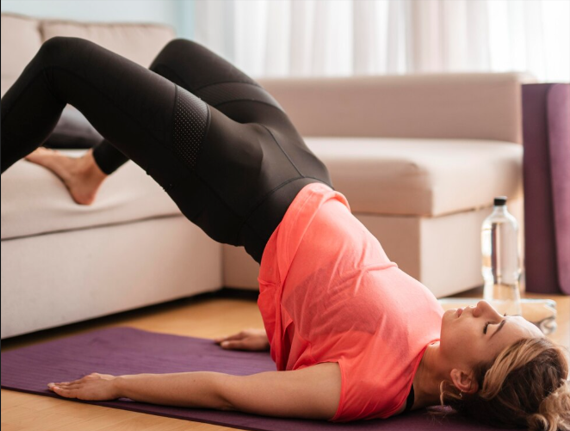
Treatment Overview
The Balance Pelvic Realignment Program in Korea is a specialized postpartum therapy designed to restore proper alignment of the pelvis after childbirth. Pregnancy and delivery can cause the pelvic bones, ligaments, and muscles to shift or loosen, often leading to discomfort, posture problems, or imbalance. This program combines advanced physiotherapy techniques, manual correction methods, and traditional Korean postpartum care to gently and effectively bring the pelvis back to its optimal position.
The treatment is a key component of Korea’s renowned postpartum recovery system, where medical precision meets holistic wellness. It focuses on stabilizing the body’s core structure, improving alignment, and supporting long-term physical health for new mothers.
Purpose & Benefits
The primary purpose of the Balance Pelvic Realignment Program is to promote complete physical recovery after childbirth by correcting pelvic misalignment and strengthening the surrounding muscles. Major benefits include:
- Pelvic Balance Restoration: Helps reposition the pelvic bones to their natural alignment, reducing discomfort and strain.
- Pain Relief: Alleviates back, hip, and lower-body pain caused by pelvic instability.
- Improved Posture: Corrects posture and body symmetry affected during pregnancy.
- Enhanced Core Strength: Rebuilds weakened abdominal and pelvic floor muscles for better stability.
- Better Circulation and Organ Support: Encourages healthy blood flow to pelvic organs, supporting recovery of the uterus and surrounding tissues.
- Overall Wellness: Improves mobility, balance, and confidence during the postpartum period.
Ideal Candidates
This program is ideal for:
- Women in the postpartum phase who experience pelvic or hip pain, imbalance, or posture changes.
- Mothers recovering from either vaginal delivery or cesarean section.
- Individuals experiencing urinary incontinence, lower back pain, or difficulty regaining core strength.
- Those who wish to prevent long-term pelvic floor issues such as prolapse or chronic instability.
- Women seeking a gentle yet medically guided method for restoring their body’s structure and balance after childbirth.
Possible Risks & Complications
While the Balance Pelvic Realignment Program is safe and non-invasive, certain precautions should be taken. Possible risks include:
- Temporary soreness or mild discomfort after manual adjustment sessions.
- Over-stretching or muscle fatigue if exercises are not performed under professional guidance.
- Aggravation of existing injuries if pre-treatment assessments are skipped.
- Rarely, improper alignment correction may cause short-term imbalance if performed by unqualified practitioners.
For best results, treatment should always be conducted by trained pelvic rehabilitation specialists familiar with postpartum anatomy.
Techniques Used
Korean postpartum centres use a combination of modern physiotherapy, orthopedic science, and traditional care methods for pelvic realignment. Techniques commonly include:
- Manual Pelvic Adjustment: Gentle manipulation to restore pelvic symmetry and correct bone positioning.
- Pelvic Floor Rehabilitation: Targeted exercises to strengthen deep muscles supporting the uterus and bladder.
- Core Stabilization Therapy: Guided training to rebuild abdominal strength and improve posture.
- Therapeutic Massage and Myofascial Release: Relieves muscle tension and enhances flexibility.
- Heat Therapy and Infrared Stimulation: Promotes relaxation and accelerates healing of muscles and ligaments.
- Traditional Korean Recovery Practices: Integration of postpartum warmth care and herbal applications for improved recovery outcomes.
Korea is recognized as a leading destination for postpartum realignment therapy due to its advanced rehabilitation technology, expert women’s health professionals, and the integration of modern medicine with centuries-old postpartum wisdom.
Recovery & Aftercare
Recovery from pelvic realignment therapy varies for each individual. Most mothers start the program around four to six weeks after delivery, once cleared by their OB/GYN. A typical course involves two to three sessions per week for several weeks, depending on pelvic condition and muscle tone.
After each session, mild stretching and hydration are encouraged. Heat packs or warm compresses may be used to relax muscles post-treatment. Mothers are advised to avoid heavy lifting and high-impact exercise until full stability is restored. Regular assessments ensure the pelvis remains aligned and balanced as recovery progresses.
Proper nutrition, rest, and posture awareness are key to maintaining results. Many Korean centres also combine realignment sessions with gentle yoga, aqua therapy, or postpartum massages for comprehensive healing.
Results & Longevity
Most women experience visible improvement after the first few sessions, with full benefits developing over several weeks. Results typically include:
- Noticeable improvement in posture and body balance.
- Reduced back, hip, and pelvic pain.
- Stronger core and pelvic floor muscles.
- Greater ease of movement and improved body confidence.
When combined with consistent aftercare and strengthening exercises, results are long-lasting. The realignment helps prevent future musculoskeletal issues, making it a valuable investment in long-term health and well-being.
Treatment Process in Korea
- Comprehensive Assessment: A detailed pelvic evaluation by an OB/GYN or women’s physiotherapist to determine misalignment severity.
- Customized Program Plan: Development of a personalized treatment schedule based on body type, delivery method, and current condition.
- Pelvic Adjustment Sessions: Gentle manual therapy, alignment correction, and guided strengthening exercises.
- Supportive Therapies: Integration of heat treatment, massage, or physical conditioning for complete recovery.
- Posture and Mobility Training: Teaching mothers correct standing, walking, and carrying techniques to maintain balance.
- Ongoing Monitoring: Periodic assessments to ensure pelvic stability and prevent relapse.
- Comprehensive Postpartum Integration: Many Korean postpartum care centres combine pelvic realignment with nutrition, rest, and wellness programs for total recovery.
Korea is globally known for its postpartum care culture, combining advanced rehabilitation facilities with personalized, luxurious care environments.
Cost Range
Costs for the Balance Pelvic Realignment Program vary based on the facility, program duration, and level of service:
- Standard postpartum care packages (including pelvic realignment): approximately ₩2,000,000 to ₩5,000,000 (USD $1,500–$3,700) for 2–3 weeks.
- Specialized realignment programs at premium centres: ₩4,000,000 to ₩8,000,000 (USD $3,000–$6,000) depending on the clinic’s location and therapist expertise.
- Individual pelvic correction sessions: ₩100,000 to ₩300,000 per visit.
These costs typically include consultation, therapy sessions, and follow-up assessments. Luxury postpartum facilities may also include accommodation, meals, and additional wellness treatments.
Popular Considerations
- Always select clinics with certified pelvic rehabilitation specialists and OB/GYN supervision.
- Ensure an individualized treatment plan based on your delivery type and body condition.
- Avoid starting therapy too early; wait until your healthcare provider confirms you are ready.
- Maintain proper posture and core exercises after completion to preserve results.
- Ask about English-speaking staff and international patient services if traveling from abroad.
- Consider combining pelvic realignment with Aqua Healing Therapy or postpartum massages for complete recovery.


