
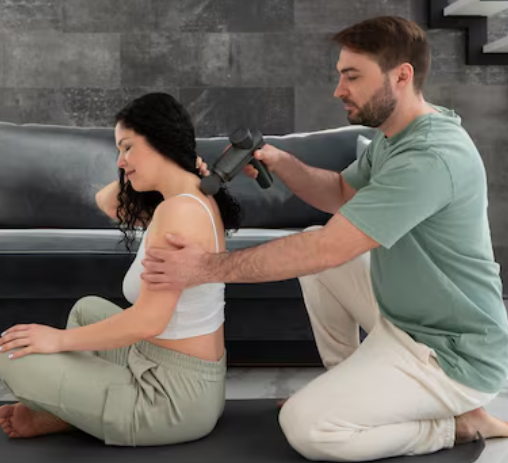
Treatment Overview
Chuna Therapy for Postpartum Recovery in Korea is a traditional Korean manual therapy that focuses on restoring skeletal and muscular alignment through gentle adjustments, manipulations, and stretching techniques. It is often compared to chiropractic therapy but integrates traditional Korean medicine principles such as energy flow (Qi), meridian balance, and musculoskeletal harmony.
For postpartum women, Chuna Therapy helps realign the body after childbirth, particularly the pelvis, spine, and hip joints, which may have shifted during pregnancy and delivery. It is a cornerstone treatment in Korean postpartum care programs, combining both medical precision and traditional healing wisdom to promote total body recovery, balance, and stability.
Purpose & Benefits
The main goal of Chuna Therapy in postpartum recovery is to correct misalignments and restore natural body function. Its benefits include:
- Pelvic Realignment: Repositions and stabilizes the pelvis to its pre-pregnancy state.
- Spinal Adjustment: Corrects spinal curvature caused by pregnancy weight and posture changes.
- Pain Relief: Reduces back, hip, and neck pain through joint mobilization and muscular balance.
- Improved Posture: Enhances body alignment and balance, preventing chronic pain or fatigue.
- Circulation Enhancement: Stimulates blood flow and lymphatic drainage for faster healing.
- Core and Pelvic Floor Support: Strengthens surrounding muscles to support internal organs and posture.
- Hormonal and Emotional Balance: Promotes relaxation and overall wellness through restored energy flow.
Ideal Candidates
Chuna Therapy is ideal for:
- Women who recently gave birth and experience pelvic, back, or hip discomfort.
- Mothers struggling with posture imbalance, muscle stiffness, or pain from breastfeeding or childcare activities.
- Women with mild pelvic misalignment or body asymmetry after childbirth.
- Postpartum individuals seeking a non-invasive, natural therapy for long-term body restoration.
- Those who wish to combine modern rehabilitation with traditional Korean techniques.
Possible Risks & Complications
Chuna Therapy is generally safe when performed by licensed Korean Medicine doctors trained in postpartum rehabilitation. However, a few mild side effects may occur:
- Temporary soreness or stiffness after adjustment.
- Mild bruising or tenderness from soft-tissue manipulation.
- Light dizziness immediately after treatment due to muscle relaxation.
- Rarely, muscle strain if the therapy is performed too intensely or too early after childbirth.
It is essential for mothers to receive clearance from their OB/GYN before beginning therapy, especially after cesarean section or complicated deliveries.
Techniques Used
Chuna Therapy incorporates a range of manual and holistic techniques customized for postpartum recovery:
- Pelvic and Spinal Adjustment: Gentle manipulation to correct pelvic rotation, hip imbalance, and spinal misalignment.
- Soft Tissue Release: Targeted massage and stretching to relieve muscular tension and improve mobility.
- Joint Mobilization: Controlled movement techniques to increase flexibility and stability in affected joints.
- Meridian Stimulation: Focus on traditional Korean energy channels to promote balance and natural healing.
- Breathing and Postural Training: Enhances core strength and restores functional movement patterns.
- Warm Compress or Herbal Heat Therapy: Often integrated before or after treatment to relax muscles and improve circulation.
Korea is a leading destination for Chuna Therapy due to its advanced integration of modern diagnostic tools, skilled practitioners, and the country’s deep-rooted expertise in traditional Korean medicine.
Recovery & Aftercare
Postpartum mothers typically begin Chuna Therapy about four to six weeks after childbirth, once cleared by their physician. Sessions usually last 30 to 60 minutes and are conducted two to three times per week for several weeks.
After treatment, mild stretching and rest are recommended to allow the body to adapt to its new alignment. Maintaining proper posture, hydration, and warmth enhances recovery. Avoiding strenuous activities or heavy lifting is crucial until stability is fully restored.
Many Korean postpartum care centers complement Chuna Therapy with nutrition, Hanbang herbal care, and pelvic rehabilitation for comprehensive healing.
Results & Longevity
Consistent Chuna Therapy sessions can yield both immediate and long-term benefits:
- Noticeable improvement in posture and body symmetry.
- Reduction in back, hip, and pelvic pain.
- Enhanced flexibility and comfort in daily movement.
- Strengthened core and pelvic floor stability.
- Improved overall vitality and emotional balance.
Results typically become evident within a few sessions, with optimal outcomes achieved after completing the full program. Maintaining proper body mechanics and occasional follow-up sessions ensures long-lasting benefits.
Treatment Process in Korea
- Initial Consultation: A detailed assessment with a Korean Medicine doctor, including posture and pelvic alignment analysis.
- Diagnosis: Evaluation of musculoskeletal imbalances using both traditional palpation and modern diagnostic tools.
- Customized Treatment Plan: Creation of a personalized therapy schedule according to the mother’s condition and recovery goals.
- Manual Adjustment: Gentle manipulations performed to restore pelvic and spinal alignment.
- Soft Tissue Therapy: Massage and stretching techniques to support muscle recovery and reduce pain.
- Heat or Herbal Therapy: Application of warm compresses to enhance relaxation and promote circulation.
- Post-Session Guidance: Education on posture correction, stretching, and lifestyle adjustments to maintain results.
Korean postpartum care facilities are known for combining medical professionalism with a nurturing environment, ensuring that new mothers recover comfortably and safely.
Cost Range
The cost of Chuna Therapy in Korea varies by clinic, practitioner experience, and program length:
- Individual Chuna Therapy sessions typically range from ₩100,000 to ₩250,000 (USD $75–$190) per session.
- A complete postpartum Chuna Therapy package (2–3 weeks) may range from ₩2,000,000 to ₩5,000,000 (USD $1,500–$3,700), often including assessments and complementary treatments.
- Premium postpartum recovery centres with specialized women’s programs may charge ₩6,000,000 or more, depending on services and accommodation.
Costs generally include consultation, manual therapy, heat treatment, and post-care guidance.
Popular Considerations
- Always choose a licensed Korean Medicine practitioner experienced in postpartum rehabilitation.
- Begin therapy only after medical approval, ensuring the body is ready for manual adjustment.
- Combine Chuna Therapy with pelvic realignment or detox massage for a more holistic recovery.
- Maintain proper posture, hydration, and rest between sessions for optimal results.
- Ask about English-speaking services and customized international care packages if traveling from abroad.
- Continue gentle exercises at home to preserve alignment and strengthen the core.


