
Treatment Overview
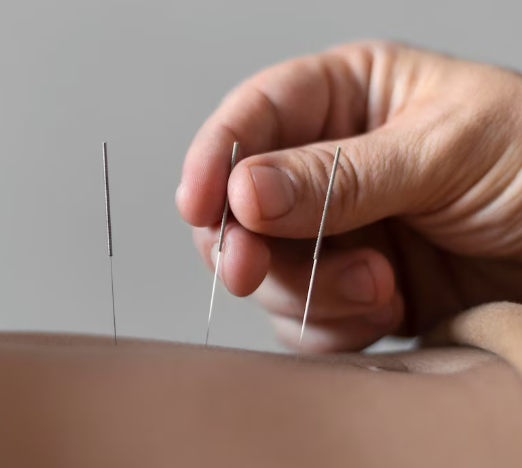
Meridian Balance Acupuncture is a specialized postpartum recovery therapy rooted in traditional Korean Hanbang medicine, designed to promote healing, improve circulation, and restore energy balance after a C-section delivery. The therapy works by stimulating specific meridian points throughout the body to regulate internal energy (Qi), enhance blood flow, and support natural healing processes.
Following a cesarean section, many mothers experience imbalances caused by surgical trauma, hormonal changes, and disrupted energy pathways. Meridian Balance Acupuncture helps correct these imbalances by targeting meridians connected to the uterus, abdomen, and nervous system. In Korea, this therapy is widely integrated into postpartum programs to reduce pain, accelerate scar recovery, and enhance both physical and emotional wellness.
Purpose & Benefits
The primary purpose of Meridian Balance Acupuncture is to restore the flow of energy and support the body’s healing mechanisms after surgery. Key benefits include:
- Pain Reduction: Relieves abdominal, pelvic, and back pain associated with C-section recovery.
- Improved Circulation: Enhances blood and lymph flow to aid tissue repair and scar healing.
- Uterine Recovery: Stimulates uterine contraction and cleansing after delivery.
- Hormonal Regulation: Helps balance postpartum hormones to stabilize mood and energy levels.
- Reduced Swelling and Inflammation: Supports detoxification and decreases edema.
- Nervous System Calmness: Alleviates stress, anxiety, and fatigue through energy balancing.
- Improved Digestion and Energy Flow: Supports metabolic recovery and overall postpartum vitality.
Ideal Candidates
Meridian Balance Acupuncture is ideal for:
- Mothers recovering from cesarean section surgery.
- Women experiencing fatigue, poor circulation, or low energy postpartum.
- Individuals with pain, tightness, or numbness in the abdomen or lower body.
- Mothers seeking a natural, drug-free approach to recovery and emotional balance.
- Those looking to complement physical rehabilitation and scar therapy with internal energy healing.
This therapy is generally recommended six to eight weeks after childbirth, once the incision site has fully healed and medical clearance is received.
Possible Risks & Complications
Meridian Balance Acupuncture is a safe and minimally invasive therapy performed by licensed Korean medicine doctors. However, mild and temporary effects may occur:
- Light bruising or redness at acupuncture points.
- Temporary fatigue or slight dizziness after sessions.
- Mild soreness or tingling as energy flow adjusts.
- Avoid treatment if there is an active infection, fever, or unhealed surgical wound.
Korean postpartum centers ensure all acupuncture procedures are performed under sterile conditions using disposable needles for maximum safety and comfort.
Techniques Used
Korean postpartum clinics combine traditional Hanbang acupuncture with modern recovery techniques to ensure effective results. Common methods include:
- Meridian-Based Acupuncture: Stimulation of key meridian points connected to the uterus, liver, kidney, and spleen for optimal postpartum recovery.
- Abdominal Acupuncture: Focused insertion around the lower abdomen to enhance uterine healing and scar recovery.
- Auricular (Ear) Acupuncture: Activation of ear reflex points to regulate hormonal balance and relieve emotional stress.
- Electro-Acupuncture: Gentle electrical stimulation through needles to enhance muscle recovery and circulation near the incision site.
- Moxibustion Integration: Application of mild heat using mugwort to boost energy flow and reduce tension.
- Energy Balancing Technique: Holistic alignment of energy pathways to support full-body harmony and well-being.
This integrative approach ensures that mothers experience both internal and external healing throughout their postpartum journey.
Recovery & Aftercare
After acupuncture therapy, mothers are encouraged to rest and maintain body warmth to allow continued healing. Aftercare recommendations include:
- Avoiding strenuous activity or cold exposure immediately after sessions.
- Drinking warm water or herbal tea to promote detoxification.
- Eating light, nourishing foods to maintain energy flow.
- Resting for at least 20–30 minutes post-session for full relaxation.
- Maintaining consistency with regular acupuncture sessions for best results.
Most postpartum programs recommend two to three sessions per week initially, adjusting frequency as recovery progresses.
Results & Longevity
With consistent Meridian Balance Acupuncture sessions, mothers experience both short-term relief and long-term health benefits. Common results include:
- Reduced pain, swelling, and muscle stiffness.
- Enhanced circulation and faster incision recovery.
- Balanced hormone levels and stabilized mood.
- Improved energy, digestion, and sleep quality.
- Restored body balance and relaxation.
Long-term benefits include improved immunity, enhanced metabolic function, and prevention of chronic postpartum issues such as fatigue, cold sensitivity, and tension-related pain.
Treatment Process in Korea
- Initial Consultation: A Korean medicine doctor evaluates surgical recovery, physical balance, and energy flow.
- Customized Acupuncture Plan: Meridian points are selected based on the mother’s unique condition and healing stage.
- Acupuncture Session: Fine, sterile needles are inserted at targeted meridian points to restore energy flow and stimulate healing.
- Optional Moxibustion or Infrared Therapy: Heat therapy may be applied to enhance blood flow and relaxation.
- Relaxation and Recovery: The mother rests during the session, allowing the body to absorb the treatment benefits.
- Follow-Up Assessment: Progress is monitored, and additional therapies may be integrated for comprehensive recovery.
Korea’s postpartum centers are world-renowned for combining precision acupuncture with personalized postpartum programs, creating a calm, therapeutic environment that supports both physical recovery and emotional rejuvenation.
Cost Range
The cost of Meridian Balance Acupuncture in Korea depends on clinic location, practitioner expertise, and treatment duration:
- Single sessions: approximately ₩100,000 to ₩200,000 (USD $75–$150).
- Multi-session postpartum packages: around ₩2,000,000 to ₩4,000,000 (USD $1,500–$3,000) for several weeks.
- Premium care programs: including acupuncture, moxibustion, massage, and herbal therapy can cost ₩5,000,000 or more (USD $3,700+).
Packages typically include consultation, acupuncture sessions, and professional aftercare instructions.
Popular Considerations
- Begin acupuncture only after full surgical incision healing and OB/GYN approval.
- Choose clinics with certified Korean medicine doctors specializing in postpartum recovery.
- Inform practitioners about any medication use, allergies, or medical conditions.
- Maintain hydration, warmth, and rest after each session.
- Combine acupuncture with complementary therapies such as scar recovery, lymphatic massage, or womb warm therapy for holistic results.
- International mothers can find reputable postpartum centers in Korea offering tailored acupuncture programs and multilingual support.


