
Treatment Overview
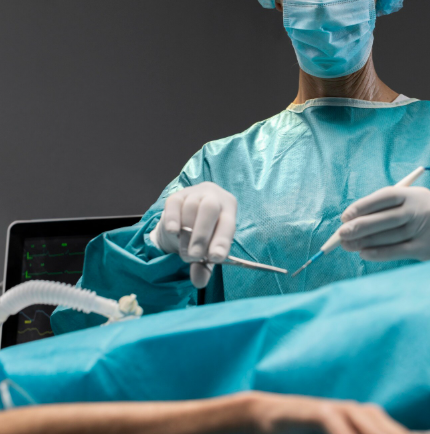
The Laparoscopic Pelvic Organ Repair Pre-Evaluation in Korea is a comprehensive diagnostic and preparatory assessment designed to evaluate the condition of the pelvic organs and supporting structures before undergoing minimally invasive prolapse repair surgery. This pre-evaluation ensures precise diagnosis, surgical planning, and optimal outcomes for women suffering from pelvic organ prolapse—a condition that commonly occurs during or after menopause due to hormonal decline and weakening of pelvic tissues.
Korean gynecologic specialists use advanced imaging technology, pelvic function analysis, and hormonal assessment to determine the most effective treatment plan. The evaluation also includes counseling for patients’ physical readiness, emotional preparation, and post-surgical expectations, providing a complete and personalized approach to pelvic health restoration.
Purpose & Benefits
The purpose of this pre-evaluation is to provide a detailed understanding of the severity, type, and underlying causes of pelvic organ prolapse. It helps determine whether laparoscopic surgery is necessary and identifies the safest, most effective surgical technique for each patient.
Key benefits include:
- Accurate diagnosis of prolapse extent and affected pelvic organs.
- Comprehensive evaluation of muscle strength, tissue quality, and hormonal influence.
- Personalized surgical planning for faster recovery and better outcomes.
- Prevention of unnecessary or incomplete procedures.
- Improved patient safety through preoperative readiness assessment.
- Integration of hormonal and sexual wellness considerations for full recovery.
This evaluation not only prepares women for successful surgical correction but also supports holistic health and confidence restoration.
Ideal Candidates
The Laparoscopic Pelvic Organ Repair Pre-Evaluation is ideal for women who:
- Have symptoms of pelvic organ prolapse such as pressure, heaviness, or bulging.
- Experience urinary incontinence or constipation due to pelvic organ descent.
- Are menopausal or postmenopausal with reduced tissue elasticity.
- Have previously undergone pelvic or abdominal surgeries.
- Are considering laparoscopic prolapse repair or reconstructive procedures.
- Wish to understand the condition fully before surgery and explore preventive measures.
Possible Risks & Complications
This diagnostic process is safe and non-invasive. It does not involve any surgical intervention. Minor discomfort may occur during pelvic examinations or imaging tests, but there are no major risks or complications. Clinics in Korea maintain international standards for patient comfort, sterilization, and diagnostic accuracy.
Techniques Used
Korean specialists employ state-of-the-art technology and thorough clinical assessments to ensure surgical precision and safety:
- 3D Pelvic Floor Ultrasound or MRI: Visualizes the organs, muscles, and connective tissue to identify prolapse severity.
- Laparoscopic Simulation Assessment: Reviews anatomical positioning to plan incision and repair strategy.
- Pelvic Floor Strength Testing: Measures muscle support and endurance using manometric and EMG analysis.
- Hormonal and Circulatory Evaluation: Determines how hormonal decline has affected tissue integrity.
- Preoperative Counseling & Sexual Health Review: Educates patients on recovery expectations, hormonal support, and intimacy-related outcomes.
This multidisciplinary approach allows Korean surgeons to design a tailored repair plan that not only corrects structural issues but also promotes long-term functional and emotional well-being.
Recovery & Aftercare
As a diagnostic procedure, this evaluation requires no recovery time. After completion, patients receive detailed results and a personalized surgical preparation plan. For those proceeding with laparoscopic repair, prehabilitation exercises, nutritional recommendations, and hormonal balancing treatments may be advised to optimize tissue health and healing capacity before surgery.
Results & Longevity
The pre-evaluation results are available immediately after the assessment or within a few days, depending on imaging complexity. The information gathered forms a lifelong reference for pelvic and hormonal health. By optimizing the surgical plan and preconditioning the body, women can expect better long-term outcomes, fewer complications, and improved pelvic support stability following surgery.
Treatment Process in Korea
In Korea, the pre-evaluation process begins with a private consultation and medical history review, followed by physical and imaging assessments. 3D imaging and pelvic mapping technologies are used to measure the degree of organ displacement and assess the condition of supportive ligaments. Hormonal status, tissue density, and muscle tone are also analyzed. Korean clinics emphasize patient comfort and privacy throughout, providing compassionate counseling on both physical and emotional aspects of the surgical journey.
With Korea’s expertise in laparoscopic gynecologic surgery, advanced diagnostic imaging, and integrated wellness support, patients receive world-class evaluation and preparation in one place.
Cost Range
The cost of the Laparoscopic Pelvic Organ Repair Pre-Evaluation in Korea depends on the clinic, imaging technology used, and whether hormonal and sexual wellness assessments are included. Typically, costs range from ₩400,000 to ₩800,000 KRW (approximately $300–$600 USD). Full preoperative evaluation packages with imaging, diagnostics, and counseling may cost ₩1,200,000 to ₩2,500,000 KRW (around $900–$1,900 USD).
Popular Clinics
- Daehan Women’s Health Center: Offers advanced laparoscopic evaluation programs with full hormonal and pelvic function diagnostics.
- Cheongdam Premier Clinic: Provides pre-surgical assessments with personalized imaging and pelvic mapping for optimal outcomes.
- Chaum Wellness Center: Specializes in integrative pelvic evaluations and surgical readiness planning for menopausal women.
- Banobagi Women’s Clinic: Focuses on minimally invasive pelvic repair and thorough preoperative diagnostic consultations.


