
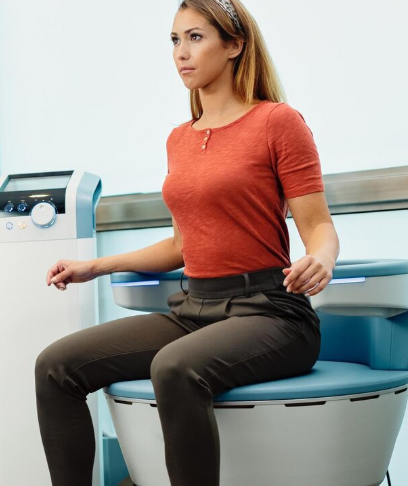
Treatment Overview
Urodynamic Pressure & Bladder Function Testing in Korea is a highly specialized diagnostic procedure that measures how the bladder and urethra store and release urine. It provides essential information for evaluating pelvic organ prolapse, urinary incontinence, and bladder dysfunction often associated with menopause or hormonal changes.
Korean women’s health centers use advanced urodynamic systems to analyze bladder pressure, muscle coordination, and nerve activity. The results help specialists identify the type and cause of dysfunction, guiding treatment plans that may include pelvic rehabilitation, hormonal therapy, or minimally invasive surgery.
Purpose & Benefits
The purpose of this testing is to assess how well the bladder, urethra, and pelvic muscles function together. It identifies whether urinary symptoms are caused by prolapse, nerve disorders, or hormonal changes.
Key benefits include:
- Accurate diagnosis of urinary leakage, urgency, or retention.
- Identification of bladder instability or overactivity.
- Assessment of muscle coordination during bladder filling and emptying.
- Evaluation of pelvic pressure changes caused by organ prolapse.
- Improved surgical and non-surgical treatment planning.
- Prevention of further pelvic or urinary complications.
By understanding bladder mechanics in detail, this test ensures precise and individualized care for women experiencing pelvic dysfunction.
Ideal Candidates
This test is ideal for women who:
- Experience urinary incontinence, frequency, or incomplete emptying.
- Have symptoms of pelvic organ prolapse such as pressure or bulging.
- Are postmenopausal with weakened bladder control due to hormonal decline.
- Have previously undergone pelvic or bladder surgery.
- Are preparing for reconstructive or prolapse repair procedures.
- Want to prevent urinary complications after childbirth or menopause.
Possible Risks & Complications
Urodynamic testing is safe and minimally invasive. Some women may experience mild discomfort, pressure, or temporary burning during urination following the procedure. These symptoms usually resolve within 24 hours. Rarely, a mild urinary tract infection may occur, which is easily treated. Korean clinics ensure the highest hygiene standards and use sterile equipment to maintain patient safety.
Techniques Used
Korean clinics use a combination of pressure-based and sensor-guided technologies for precision bladder function testing:
- Cystometry (Bladder Pressure Testing): Measures how much the bladder can hold and the pressure it generates during filling and emptying.
- Uroflowmetry: Records the rate and pattern of urine flow.
- Electromyography (EMG): Monitors pelvic muscle and sphincter coordination.
- Pressure Flow Study: Analyzes how effectively the bladder empties under different pressures.
- Leak Point Pressure Testing: Identifies stress or urge incontinence triggers.
- Ultrasound or Fluoroscopy (Optional): Provides visual imaging of bladder shape and positioning.
This multi-layered approach ensures highly accurate data for both diagnosis and treatment planning.
Recovery & Aftercare
No downtime is required after the test. Patients can return to normal activities immediately, though increased fluid intake is recommended for the next 24 hours to flush the bladder. Aftercare typically involves reviewing results with a specialist, who then recommends the most suitable treatment options such as pelvic muscle training, hormonal therapy, or surgical consultation if necessary.
Results & Longevity
Results from urodynamic testing are available immediately or within a few days. They provide a permanent baseline for evaluating bladder health and tracking improvements after treatment. When followed by appropriate therapy, many women experience long-term relief from urinary symptoms, improved pelvic support, and restored confidence.
Treatment Process in Korea
In Korea, the process begins with a consultation and medical history review, followed by physical and hormonal assessments if needed. During the test, small catheters and sensors are gently inserted into the bladder and urethra to measure pressure and flow while the patient fills and empties the bladder. The procedure typically lasts 30–45 minutes and is performed in a private, comfortable environment.
Korea’s advanced women’s health centers combine diagnostic precision with compassionate care. The integration of urodynamic analysis, hormonal evaluation, and prolapse assessment makes Korea a leading destination for comprehensive pelvic health diagnostics.
Cost Range
The cost of Urodynamic Pressure & Bladder Function Testing in Korea depends on the clinic and complexity of the evaluation. On average, testing costs ₩300,000 to ₩700,000 KRW (approximately $220–$520 USD). Full diagnostic packages that include pelvic imaging, hormonal evaluation, and follow-up counseling may range from ₩1,200,000 to ₩2,800,000 KRW (around $900–$2,100 USD).
Popular Clinics
- Daehan Women’s Health Center: Offers complete urodynamic testing and pelvic floor evaluation for prolapse and urinary disorders.
- Cheongdam Premier Clinic: Specializes in precision bladder pressure analysis combined with hormonal balance assessment.
- Banobagi Women’s Clinic: Provides bladder and pelvic diagnostic testing with customized rehabilitation programs.
- Chaum Wellness Center: Focuses on holistic women’s urinary and pelvic health diagnostics with advanced imaging technology.


