
Treatment Overview
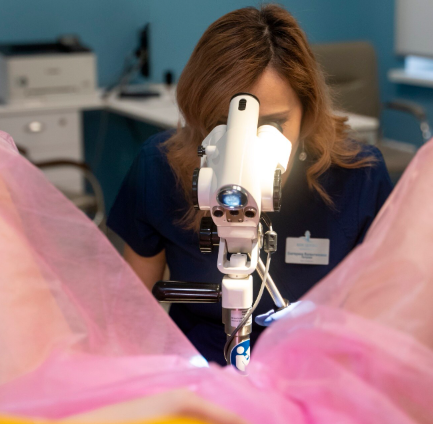
The Endoscopic Vaginal Vault Suspension Procedure in Korea is an advanced minimally invasive surgical treatment designed to correct vaginal vault prolapse—a condition that occurs when the top portion of the vagina descends after hysterectomy or due to weakened pelvic support structures. Using endoscopic (camera-assisted) technology, this procedure restores the vagina to its normal position, strengthens pelvic support, and relieves symptoms such as pressure, discomfort, and urinary dysfunction.
Korea is recognized globally for its excellence in endoscopic gynecologic surgery, utilizing small incisions, high-definition visualization, and precision suturing techniques. This ensures accurate anatomical correction with faster recovery, minimal pain, and superior cosmetic results compared to traditional open surgery.
Purpose & Benefits
The primary purpose of the Endoscopic Vaginal Vault Suspension is to restore vaginal support and function by reattaching the vaginal apex to strong pelvic ligaments. It helps patients regain pelvic stability, improve quality of life, and prevent future prolapse recurrence.
Key benefits include:
- Effective correction of vaginal vault prolapse after hysterectomy.
- Reestablishment of pelvic organ alignment and stability.
- Relief from pelvic pressure, bulging, and discomfort.
- Improved urinary control and bowel function.
- Preservation of vaginal length, elasticity, and sexual satisfaction.
- Minimal scarring and faster recovery through small incisions.
- Long-term prevention of recurrent prolapse.
This modern endoscopic approach combines medical precision with patient comfort, supporting both structural correction and feminine wellness.
Ideal Candidates
This procedure is ideal for women who:
- Have experienced vaginal vault prolapse after hysterectomy or childbirth.
- Suffer from pelvic heaviness, bulging, or urinary leakage.
- Are postmenopausal and have weakened pelvic tissues due to hormonal decline.
- Want to correct prolapse using a minimally invasive, advanced surgical option.
- Have recurrent prolapse after previous surgeries.
- Desire to maintain vaginal and sexual function while restoring pelvic support.
Possible Risks & Complications
The endoscopic vaginal vault suspension is safe, especially when performed by experienced Korean surgeons. However, mild side effects such as temporary pelvic pain, minor bleeding, or urinary retention can occur. Rare complications include infection or prolapse recurrence, which are minimized through meticulous surgical technique and postoperative care.
Korean medical centers conduct comprehensive preoperative evaluations—including imaging and hormonal assessments—to ensure optimal outcomes and minimize risks.
Surgical Techniques Used
The procedure uses high-definition endoscopic visualization and precise suturing to lift and fix the vaginal apex securely to pelvic ligaments or fascia:
- Endoscopic Vault Suspension: The vaginal apex is reattached to the uterosacral or sacrospinous ligaments for natural support.
- Minimally Invasive Entry: Small abdominal or vaginal incisions are made for endoscopic instruments, reducing trauma.
- Tissue Reinforcement: Optional use of bio-mesh or native tissue for added stability.
- Pelvic Floor Strength Restoration: Tightening of weakened muscles and connective tissues to support surrounding organs.
- Hormonal Regeneration Support: Application of localized estrogen or regenerative therapy to enhance tissue healing and elasticity.
- Postoperative Rehabilitation: Pelvic physiotherapy and muscle retraining to improve recovery and prevent recurrence.
Korean surgeons are internationally recognized for their expertise in endoscopic pelvic reconstructive techniques, ensuring high precision and functional outcomes.
Recovery & Aftercare
Recovery from endoscopic vaginal vault suspension is typically smooth and quick. Most patients stay in the hospital for one to two days and return to light activities within a week.
Aftercare recommendations include:
- Avoid heavy lifting and strenuous exercise for 6–8 weeks.
- Refrain from sexual activity until full healing is confirmed.
- Maintain pelvic hygiene and use prescribed hormonal creams if indicated.
- Attend regular follow-up appointments to monitor healing.
- Begin pelvic floor exercises under professional guidance after recovery.
Korean clinics emphasize holistic recovery programs combining physical therapy, hormonal care, and lifestyle support for long-term success.
Results & Longevity
Patients experience significant improvement in pelvic comfort, organ support, and vaginal function within weeks of the procedure. The results are long-lasting, with restored structural integrity and improved sexual and urinary health.
With proper aftercare and pelvic muscle maintenance, the outcomes can last 10–15 years or longer. The endoscopic approach ensures natural tissue integration, minimal scarring, and high patient satisfaction.
Treatment Process in Korea
The process begins with a comprehensive diagnostic evaluation, including pelvic examination, 3D imaging, and hormonal profiling. After confirming the diagnosis and selecting the best approach, the endoscopic surgery is performed using specialized instruments and magnified visualization.
During the operation, surgeons reattach and reinforce the vaginal apex, ensuring precise alignment and long-term stability. Korean women’s health centers combine advanced endoscopic technology, personalized surgical planning, and postmenopausal hormonal optimization, offering one of the most comprehensive prolapse treatment systems in the world.
Cost Range
The cost of the Endoscopic Vaginal Vault Suspension Procedure in Korea varies depending on the complexity of the prolapse and surgical technology used. On average:
- ₩6,000,000 to ₩10,000,000 KRW (approximately $4,400–$7,300 USD) for standard procedures.
- ₩10,000,000 to ₩14,000,000 KRW (around $7,300–$10,200 USD) for advanced or combined repairs with hormonal and rehabilitative therapy.
These costs typically include preoperative consultation, surgery, anesthesia, hospitalization, and follow-up care.
Popular Clinics
- Daehan Women’s Health Center: Specializes in endoscopic and laparoscopic prolapse surgeries with hormonal support therapy.
- Cheongdam Premier Clinic: Offers precision endoscopic vaginal reconstruction for functional and aesthetic restoration.
- Dong-A Women’s Health Center: Known for minimally invasive pelvic repair and postmenopausal recovery programs.
- Chaum Wellness Center: Integrates surgical care with regenerative therapy and pelvic rehabilitation.


