
Treatment Overview
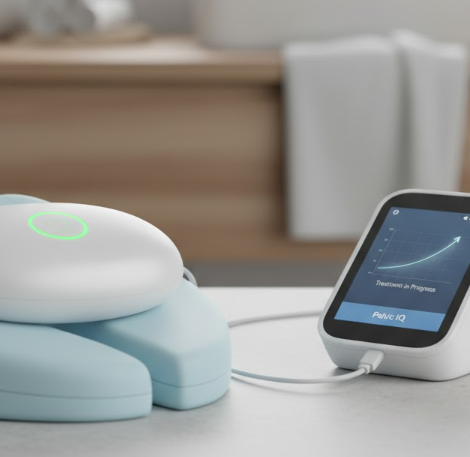
A pelvic-floor smart sensor device in Korea is an advanced tool used within the framework of women’s health / OBGYN and pelvic floor & urogynecology to support and enhance Kegel therapy. This device uses embedded sensors—often in a vaginal probe or external pad—to monitor pelvic-floor muscle contraction and relaxation, provide immediate feedback, and track progress over time. Korean clinics incorporate smart sensor devices into pelvic-floor physical therapy programmes, combining them with manual therapy, Kegel exercises, posture/core training and lifestyle advice. According to Korean women’s health clinics, sensor-based internal rehabilitation is one of their key offerings.
Purpose & Benefits
The primary purpose of these smart sensor devices is to make pelvic-floor muscle training more effective by:
- Giving accurate feedback so that the correct muscles are engaged (reducing misuse of hips/glutes)
- Tracking muscle performance, progress and adherence, which helps motivation and consistency
- Strengthening pelvic-floor muscle activation and endurance more rapidly
- Improving outcomes for conditions like urinary incontinence, pelvic organ support weakness and postpartum recovery
In Korea, where pelvic-floor therapy is highly developed, use of sensor devices is noted as a differentiator for quality programmes.
Ideal Candidates
This therapy device is ideal for women who:
- Experience urinary leakage or early pelvic-floor weakness and wish to strengthen their muscles with guided feedback
- Are postpartum, post-surgery or menopausal and have difficulty locating or activating pelvic-floor muscles reliably
- Have attempted Kegel exercises but struggle with correct technique or seeing results
- Prefer a tech-supported, structured home-and-clinic integrated training programme rather than relying on “just exercises” alone
- Undergo supervised pelvic-floor physical therapy in a Korean clinic and want device-assisted tracking and compliance
Possible Risks & Complications
While usage of a smart sensor device is non-invasive and generally low risk, potential issues can include:
- Temporary muscle soreness or fatigue as previously weak muscles engage more effectively
- Discomfort or misplacement of device (especially internal probes) if not properly handled or sanitized
- Misleading feedback if device is used incorrectly (leading to compensatory muscle activation)
- If there are underlying structural issues (severe prolapse, ligament tears) relying solely on device may delay needed medical or surgical evaluation
As with all pelvic-floor therapies, professional supervision and initial assessment are recommended.
System Features & Integration
Typical features of pelvic-floor smart sensor devices in Korea (and globally) include:
- Insertable or external sensor integrated into probe/pad that measures muscle contraction/pressure/EMG
- Wireless or Bluetooth connectivity to mobile app or clinic software that displays real-time feedback, contraction graphs, training programmes
- Guided exercise modes (beginner to advanced), timed contraction/relaxation cycles, reminders and progress tracking
- Compatibility with home-use or clinic-use models; in Korea many clinics introduce device under supervision then prescribe home-use with data upload/monitoring
- Integration into broader pelvic-floor rehab: the device is just one component along with manual therapy, core posture training, bladder/bowel habit training, and lifestyle modification konmed.cn+1
Recovery & Aftercare
A typical therapy pathway with smart sensor device in Korea may include:
- Initial assessment at a women’s health / pelvic-floor clinic (pelvic-floor muscle strength/tone, posture/movement, bladder/bowel habits)
- Supervised device-training sessions (for example 1–2 times per week for 4–8 weeks) where device feedback is used to ensure correct muscle activation
- Transition to home-use device sessions several times per week, combined with pelvic-floor exercises, core/posture training, and lifestyle adjustments
- Periodic follow-up sessions (monthly or quarterly) to reassess strength, ensure technique remains correct, adjust programmes, and review device data
- Long-term maintenance includes continued device-based training (at lower frequency), home exercise, and movement/posture habits to sustain benefits
Results & Longevity
When correctly used within a full rehabilitation programme, smart sensor devices produce:
- Improved pelvic-floor muscle strength and coordination
- Reduced leakage episodes (stress, urge or mixed)
- Better functional performance (lifting, carrying, exercising without leakage)
- Higher patient engagement and compliance due to measurable feedback
The longevity of results depends on: underlying severity of pelvic-floor dysfunction, continued adherence to home training and device use, lifestyle factors (e.g., weight, lifting, chronic cough) and whether structural pelvic support has been addressed. Korean clinics emphasise follow-up and data-driven monitoring to maximise long-term outcomes.
Cost Range
While pricing depends on clinic, device brand and programme length, approximate costs in Korea for a device-assisted smart sensor pelvic-floor programme include:
- Initial consultation and supervised device session: around ₩ 50,000 to ₩ 100,000 (roughly USD 40-75)
- Each supervised device-based training session: around ₩ 70,000 to ₩ 150,000 (USD 50-110)
- Package programmes (e.g., 8–10 sessions including supervised device-training + home-use plan): ~₩ 560,000 to ₩ 1,200,000 (USD 415-900)
- Additional cost may apply for home-device purchase, diagnostics (ultrasound/EMG), and support for international patients
Best Clinics in Korea
Here are some of the top clinics in Korea that provide pelvic-floor physical therapy programmes including smart sensor device training under women’s health / urogynecology:
- Gangnam J Urology Clinic (Seoul, Gangnam District) – Specialised centre for female pelvic-floor dysfunction, employs sensor-based internal rehabilitation devices along with Kegel training and pelvic-floor physiotherapy.
- Sinsoe Women’s Clinic (Seoul, Gangnam District) – Women’s health clinic offering smart device-assisted pelvic-floor programmes (including smart sensor Kegel trainers) and tailored recovery for postpartum/incontinence.
- Yoonho OB/GYN Hospital (Seoul, Gangnam District) – A women’s health hospital that integrates pelvic-floor rehab, smart device training, core/posture therapy and urogynecology for both domestic and international patients.


