
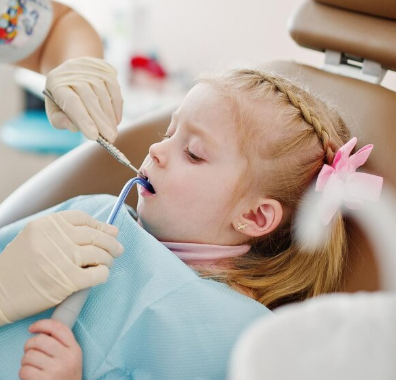
Treatment Overview
Baby Bottle Tooth Decay Treatment in Korea focuses on managing and preventing early childhood caries (ECC) — a common dental condition caused by prolonged exposure of baby teeth to sugary liquids such as milk, formula, or fruit juice. Known medically as Early Childhood Caries (ECC), this condition typically affects the upper front teeth but can also spread to other areas if untreated.
Korean pediatric dental clinics are internationally recognized for their preventive care approach, advanced dental technology, and child-centered environment. Treatments are designed not only to stop decay but also to preserve natural teeth, protect developing permanent teeth, and educate parents on preventive care.
Combining gentle laser therapy, fluoride applications, glass ionomer restorations, and behavioral management, Korean dentists provide a complete and comfortable solution for children affected by baby bottle tooth decay.
Purpose & Benefits
Purpose
- To eliminate decay and restore affected baby teeth.
- To prevent further infection or tooth loss.
- To maintain proper chewing, speech, and jaw development.
- To protect permanent teeth growing underneath.
- To educate parents on feeding and oral hygiene habits.
Benefits
- Pain-Free Experience: Modern laser and sedation methods minimize discomfort.
- Tooth Preservation: Early treatment saves natural baby teeth, preventing premature loss.
- Healthy Development: Maintains proper spacing for permanent teeth.
- Aesthetic Restoration: Composite or glass ionomer fillings restore natural appearance.
- Preventive Education: Parents learn proper feeding and brushing techniques.
Korean pediatric dentistry emphasizes both treatment and prevention, ensuring a lifetime foundation of healthy smiles.
Ideal Candidates
Baby Bottle Tooth Decay Treatment is suitable for infants and toddlers with visible or suspected tooth decay.
Ideal Candidates Include:
- Children with brown or white spots on front teeth.
- Babies who frequently sleep with a milk or juice bottle.
- Toddlers experiencing tooth sensitivity or discomfort while eating.
- Children with visible cavities or enamel erosion.
- Infants with poor oral hygiene or sugary feeding habits.
Korean pediatric dentists evaluate each case to recommend personalized, child-appropriate care based on age, severity, and comfort.
Possible Risks & Complications
While treatments are safe and effective, some minor issues may occur:
- Mild Tooth Sensitivity: Temporary after restoration or fluoride application.
- Discomfort During Treatment: Rare, minimized through sedation or distraction therapy.
- Decay Recurrence: Possible without proper oral hygiene or dietary changes.
- Infection: Very rare, but can occur if treatment is delayed.
Korean clinics minimize risks with digital diagnostics, laser precision, and child behavior management techniques, ensuring a smooth, safe experience.
Treatment Techniques Used
Korea’s pediatric dentists employ advanced, minimally invasive methods for both restorative and preventive care.
Common Techniques Include:
- Laser Caries Removal: Removes decay gently without drilling or pain.
- Glass Ionomer Restorations: Releases fluoride to protect against future decay.
- Composite Resin Fillings: Matches natural tooth color for aesthetic results.
- Silver Diamine Fluoride (SDF): Non-invasive treatment that halts early decay progression.
- Fluoride Varnish or Gel: Strengthens enamel and prevents new cavities.
- Pulp Therapy (Baby Root Canal): For severe decay reaching the tooth pulp.
These techniques emphasize comfort, longevity, and preventive care, core values of Korean pediatric dentistry.
Recovery & Aftercare
Recovery from baby bottle tooth decay treatment is fast and typically painless.
Aftercare Guidelines:
- Avoid feeding sugary drinks before bedtime.
- Clean your child’s teeth twice daily with a soft brush.
- Do not allow your child to sleep with a bottle in their mouth.
- Visit the dentist every 3–6 months for checkups and fluoride application.
- Encourage water intake instead of sweetened beverages.
Consistent aftercare helps prevent relapse and ensures lasting oral health.
Results & Longevity
After treatment, children regain healthy, pain-free teeth with restored function and appearance.
Expected Results:
- Stopped or reversed tooth decay.
- Healthy, functional, and aesthetic primary teeth.
- Restored chewing and speech comfort.
- Protection for developing permanent teeth.
- Reduced risk of future caries through preventive care.
With proper hygiene and diet, results last until natural tooth exfoliation (typically age 10–12).
Treatment Process in Korea
Step-by-Step Process:
- Initial Consultation & Diagnosis: Visual exam, X-rays, and cavity detection using digital scanners.
- Caries Removal: Laser or micro-drill used to gently remove decayed tissue.
- Restoration: Filling or crown applied based on severity (resin, glass ionomer, or stainless steel crown).
- Fluoride Application: Strengthens remaining tooth structure.
- Parental Guidance: Dentist educates parents on bottle-feeding and oral hygiene habits.
- Follow-Up Visits: Regular checkups to monitor tooth health and development.
This structured and compassionate process reflects Korea’s global excellence in pediatric dental care.
Why Korea Is a Top Destination
- Specialized Pediatric Dentists: Trained in child psychology and behavior control.
- Laser & Sedation Dentistry: Gentle, safe, and anxiety-free treatments.
- Advanced Technology: CAD/CAM restorations, intraoral scanners, and digital X-rays.
- Preventive Focus: Early intervention and parent education.
- Affordable Excellence: Premium pediatric care at competitive prices.
Korean pediatric clinics combine high-tech dentistry with compassionate care, making them a top global choice for children’s oral health.
Unique Korean Methods & Technology
- Laser-Assisted Caries Therapy: Replaces traditional drilling with painless precision.
- AI-Enhanced Cavity Detection: Early identification of micro-decay for preventive action.
- Fluoride-Releasing Restorations: Continuous enamel strengthening post-treatment.
- Sedation-Free Comfort Dentistry: Distraction systems, cartoons, and music reduce anxiety.
- Parental Education Programs: Teach feeding, brushing, and early hygiene management.
These innovations ensure a gentle and preventive approach to early childhood caries treatment.
Cost Range
The cost of Baby Bottle Tooth Decay Treatment in Korea varies by severity, materials used, and treatment type.
- Fluoride Treatment (per visit): ₩30,000 – ₩70,000 (USD $25 – $55)
- Resin or Glass Ionomer Filling: ₩80,000 – ₩200,000 (USD $60 – $150)
- SDF (Silver Diamine Fluoride) Application: ₩60,000 – ₩120,000 (USD $45 – $90)
- Pediatric Crown (Stainless Steel or Strip): ₩150,000 – ₩300,000 (USD $110 – $230)
- Comprehensive ECC Treatment Package: ₩400,000+ (USD $300+)
Most clinics offer preventive education, fluoride care, and follow-up in the treatment plan.
Popular Clinics
- Seoul National University Dental Hospital (Pediatric Dentistry Department): Renowned for early childhood caries management.
- Asan Medical Center Dental Clinic: Offers sedation-free, laser-based cavity treatment.
- Yonsei University Severance Dental Hospital: Leading in parental guidance and preventive programs.
- Samsung Medical Dental Center (Children’s Unit): Uses digital imaging and AI-assisted diagnostics.
- MizMedi Pediatric Dental Clinic: Specialized in fluoride therapy and strip crown restorations.


