
Treatment Overview
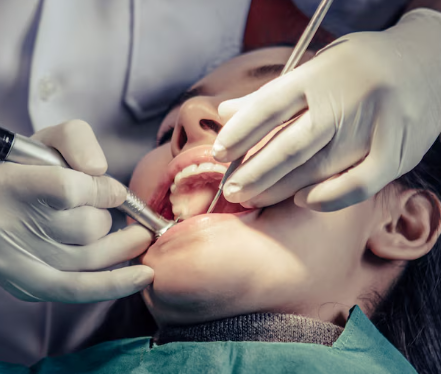
Gum Preservation Wisdom Tooth Surgery in Korea is a highly advanced, minimally invasive oral surgery technique focused on maintaining healthy gum tissue during wisdom tooth extraction.
Using 3D CBCT imaging, AI-guided surgical planning, and microsurgical precision tools, Korean dental surgeons remove impacted or infected wisdom teeth without damaging surrounding gums or bone structure.
This innovative technique emphasizes soft-tissue protection, ensuring patients experience faster healing, less swelling, and minimal discomfort.
With precision-guided instruments and regenerative healing support, Korea’s dental specialists provide the ideal balance of surgical safety, aesthetic outcomes, and long-term gum health.
Purpose & Benefits
Purpose
- Safely remove impacted or partially erupted wisdom teeth while preserving gum tissue.
- Prevent postoperative gum recession and tissue scarring.
- Reduce trauma and discomfort during and after surgery.
- Maintain long-term gum stability and aesthetic appearance.
- Support faster healing through regenerative and minimally invasive methods.
Benefits
- Gum-Friendly Surgery: Minimizes cutting or lifting of gum flaps.
- Reduced Pain & Swelling: Precise instruments prevent tissue trauma.
- Aesthetic Healing: Maintains natural gum line and contour.
- Faster Recovery: Smaller surgical area means quicker tissue repair.
- Nerve-Safe Precision: 3D-guided imaging ensures safe extractions near nerves.
- Long-Term Gum Protection: Reduces risk of gum loss and sensitivity.
Ideal Candidates
Gum preservation wisdom tooth surgery is perfect for patients seeking a gentle, tissue-conserving approach to wisdom tooth removal.
Ideal Candidates Include:
- Patients with partially erupted or soft-tissue impacted wisdom teeth.
- Those with sensitive or thin gum tissue prone to recession.
- Individuals with aesthetic concerns about post-surgical gum shape.
- Patients who want quick recovery and minimal discomfort.
- International patients seeking affordable, advanced microsurgical care in Korea.
Possible Risks & Complications
Although this method is extremely safe, mild and temporary effects may include:
- Minor gum soreness or swelling for 1–2 days.
- Slight bleeding after the procedure.
- Temporary tooth sensitivity near the surgical site.
- Very rare gum irritation from brushing too soon after surgery.
Korean clinics minimize risks with AI-driven surgical navigation, microscopic instruments, and bio-regenerative healing membranes that protect and support gum tissue recovery.
Surgical Techniques Used
Korea’s Gum Preservation Wisdom Tooth Surgery System uses state-of-the-art digital technology and microsurgical precision to ensure flawless, tissue-conserving outcomes.
Key Techniques Include:
- 3D CBCT Imaging: Detailed mapping of tooth roots and gum anatomy.
- AI Surgical Planning: Simulated extraction paths for maximum gum protection.
- Microsurgical Instruments: Ultra-fine tools allow minimal incision size.
- Flapless or Micro-Flap Approach: Reduces soft-tissue trauma and scarring.
- Piezosurgery Ultrasonic Tools: Gentle bone removal without cutting gums.
- PRF (Platelet-Rich Fibrin) Healing Therapy: Enhances soft-tissue regeneration.
- Laser-Assisted Sealing: Promotes sterile healing and gum reattachment.
Recovery & Aftercare
Patients experience minimal downtime following gum preservation extraction.
- Apply cold compresses for 24 hours to control minor swelling.
- Avoid hard or spicy foods for the first 48 hours.
- Rinse gently with salt water or antiseptic mouthwash after 24 hours.
- Follow all oral hygiene instructions carefully to protect healing gums.
- Attend follow-up visits for digital or in-person evaluation.
Typical Recovery Time: 3–5 days for complete comfort and gum closure.
Results & Longevity
Expected Results
- Smooth, safe extraction with natural gum preservation.
- Faster healing and minimal discomfort.
- Healthy, aesthetic gum contour post-surgery.
- Protection against infection and gum recession.
Longevity
- Long-term gum stability and health.
- Permanent resolution of wisdom tooth pain or infection.
- Naturally blended gum tissue for a seamless appearance.
Treatment Process in Korea
Korea’s Gum Preservation Wisdom Tooth Surgery Workflow ensures a completely digital, tissue-conserving experience from start to finish.
Step-by-Step Process:
- Consultation & 3D CBCT Scan: Comprehensive mapping of teeth, roots, and gums.
- AI Surgical Planning: Customized simulation for flapless or micro-incision technique.
- Sedation & Preparation: Local or IV anesthesia for pain-free comfort.
- Gum Preservation Extraction: Microsurgical removal with minimal incision.
- PRF Healing Therapy: Regenerative support for fast gum recovery.
- Digital Aftercare Monitoring: 3D scans used to confirm tissue healing and gum stability.
Why Korea Is a Top Destination
- Global Leader in Microsurgical Dentistry: Advanced soft-tissue preservation and digital precision.
- Patient-Focused Techniques: Gentle, aesthetic, and pain-free approach.
- Affordable Premium Care: 40–60% less expensive than Western clinics.
- Highly Trained Surgeons: Specialists in microsurgery and regenerative treatments.
- Advanced Technology: 3D CBCT, PRF, AI navigation, and laser therapy.
- Multilingual Care: English, Japanese, and Chinese-speaking dental teams.
Korea’s Gum Preservation Wisdom Tooth Surgery blends microsurgical artistry and digital science, offering the safest, most aesthetic, and least invasive oral surgery experience worldwide.
Unique Korean Methods & Technology
- 3D CBCT Imaging & AI Surgical Planning
- Flapless Gum Preservation Technique
- Piezosurgery Ultrasonic Extraction
- PRF Bio-Regenerative Healing
- Laser Soft-Tissue Sealing
- Microsurgical Precision Tools
- Digital Postoperative Healing Tracking
These innovations place Korea among the world’s top destinations for gum-preserving oral surgery.
Cost Range
- Standard Gum Preservation Extraction: ₩300,000 – ₩600,000 KRW (≈ $225 – $450 USD) per tooth
- PRF Regenerative Package: ₩600,000 – ₩900,000 KRW (≈ $450 – $680 USD)
- Premium AI-Guided Microsurgery: ₩900,000 – ₩1,300,000 KRW (≈ $680 – $980 USD)
Packages include consultation, 3D imaging, AI surgical planning, anesthesia, extraction, PRF healing, and follow-up visits.
Top Clinics in Korea
- Seoul National University Dental Hospital: Leaders in soft-tissue preservation and gum microsurgery.
- Yonsei University Dental Hospital: Experts in digital flapless and regenerative oral surgery.
- Asan Medical Center Oral Surgery Unit: Specialists in PRF-based gum regeneration.
- JK Digital Dental Clinic (Gangnam): Premium gum-preserving and aesthetic oral surgery clinic.
- K-Smile Regenerative Dental Center (Busan): Advanced digital gum preservation and healing therapy specialists.


