
Treatment Overview
Advanced 3D CT Orthognathic Surgery in Korea represents the highest level of precision in jaw correction and facial reconstruction surgery, combining 3D cone-beam CT imaging, AI-guided surgical simulation, and computer-assisted jaw realignment for unparalleled accuracy and aesthetic results.
This surgery corrects jaw misalignment, facial asymmetry, bite irregularities, and skeletal discrepancies caused by developmental or genetic factors.
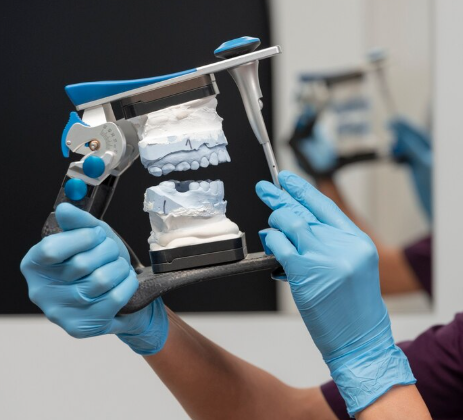
Korea’s top oral and maxillofacial surgeons use virtual surgical planning (VSP), CAD/CAM splints, and 3D-printed bone models to create a fully customized surgical plan tailored to each patient’s facial structure.
With digital precision, safe nerve mapping, and postoperative aesthetic harmony, Korean orthognathic surgery provides patients with both functional correction and enhanced facial beauty.
Purpose & Benefits
Purpose
- Correct jawbone and bite alignment for functional and aesthetic improvement.
- Treat conditions such as underbite, overbite, open bite, or facial asymmetry.
- Improve speech, chewing, and breathing function.
- Enhance facial balance, symmetry, and confidence.
- Integrate digital planning for safe, predictable surgical outcomes.
Benefits
- 3D CT Precision: AI-guided mapping ensures exact jawbone repositioning.
- Customized Surgical Planning: Digital simulations visualize results before surgery.
- Safe Nerve & Tissue Protection: 3D imaging identifies critical anatomy.
- Faster Recovery: Minimally invasive techniques reduce swelling and downtime.
- Aesthetic Enhancement: Harmonized facial balance and symmetry.
- Long-Term Stability: Improved bite function and durable results.
Ideal Candidates
Orthognathic surgery is ideal for patients with functional bite issues, facial asymmetry, or skeletal jaw misalignment requiring correction through advanced oral surgery.
Ideal Candidates Include:
- Patients with underbite, overbite, or crossbite.
- Individuals with facial asymmetry or jaw size imbalance.
- Those with TMJ pain, speech difficulties, or chewing problems.
- Patients who did not achieve desired correction through orthodontics alone.
- International patients seeking high-tech, aesthetic jaw surgery in Korea.
Possible Risks & Complications
While orthognathic surgery in Korea is performed with advanced safety systems, mild side effects may occur temporarily:
- Minor swelling or tightness for 1–2 weeks.
- Temporary numbness around lips or cheeks (usually resolves within weeks).
- Slight bruising or soreness post-surgery.
- Rare relapse if postoperative orthodontic care is neglected.
Korean clinics minimize these risks with AI-based surgical planning, nerve mapping, and precision bone repositioning systems, ensuring patient safety and long-term stability.
Surgical Techniques Used
Korea’s Advanced 3D CT Orthognathic Surgery System combines digital planning, 3D modeling, and microsurgical technology to deliver precise and aesthetic jaw realignment.
Key Techniques Include:
- 3D Cone-Beam CT Imaging: Full visualization of bone structure and nerve pathways.
- AI Surgical Simulation (VSP): Virtual surgery to predict jaw repositioning outcomes.
- CAD/CAM Surgical Guides: Custom surgical splints fabricated for precise bone movement.
- 3D-Printed Bone Models: Enhance pre-surgical practice and visualization.
- Microsurgical Bone Cutting (Piezosurgery): Ultrasonic precision minimizes tissue trauma.
- Orthodontic Integration: Pre- and post-surgical orthodontics for perfect bite alignment.
- PRF & Laser Therapy: Stimulates bone healing and reduces postoperative swelling.
Recovery & Aftercare
Recovery after 3D CT orthognathic surgery is faster and smoother thanks to minimally invasive digital planning and regenerative therapy.
- Swelling usually peaks within 48–72 hours, then subsides gradually.
- Maintain a liquid or soft-food diet for 1–2 weeks.
- Avoid strenuous activities during initial recovery.
- Practice gentle oral hygiene and use prescribed mouth rinses.
- Attend follow-up appointments for progress imaging.
Typical Recovery Time: 2–3 weeks for soft tissue healing; 3–6 months for complete bone remodeling.
Results & Longevity
Expected Results
- Harmonized facial symmetry and improved jawline balance.
- Corrected bite and enhanced oral function.
- Improved chewing, breathing, and speech capabilities.
- Natural, aesthetic enhancement to the lower face profile.
Longevity
- Permanent correction of skeletal jaw problems.
- Long-lasting bite stability and joint comfort.
- Sustainable improvement in facial balance and self-confidence.
Treatment Process in Korea
Korea’s 3D CT Orthognathic Surgery Workflow integrates digital diagnostics, simulation, and surgical precision for complete transformation with minimal discomfort.
Step-by-Step Process:
- Consultation & 3D Imaging: Comprehensive CBCT scan and facial analysis.
- AI Surgical Simulation: Virtual planning of bone movements and bite alignment.
- Orthodontic Preparation: Pre-surgical alignment ensures precision results.
- Customized Surgical Splint Design: CAD/CAM fabrication for guided surgery.
- Surgical Procedure: Bone repositioning performed with ultrasonic and digital navigation tools.
- PRF & Laser Healing: Promotes bone and tissue regeneration.
- Post-Surgical Follow-Up: Regular imaging to monitor bone adaptation and healing.
Why Korea Is a Top Destination
- Global Leaders in Digital Jaw Surgery: Korea integrates AI, 3D imaging, and surgical robotics.
- High Aesthetic Standards: Jaw surgery designed for both functional and visual harmony.
- Fast Recovery & Comfort: Minimally invasive with advanced pain management.
- Affordable Excellence: 40–60% more cost-effective than Western countries.
- World-Class Oral & Maxillofacial Surgeons: Highly trained in orthognathic precision.
- Multilingual Care: English, Japanese, and Chinese-speaking teams available.
Korea’s Advanced 3D CT Orthognathic Surgery combines science, artistry, and technology, offering one of the most advanced jaw correction procedures in the world.
Unique Korean Methods & Technology
- 3D Cone-Beam CT & AI Surgical Planning
- Virtual Surgical Planning (VSP)
- CAD/CAM Custom Splints & Guides
- 3D-Printed Bone Models
- Ultrasonic Piezosurgery Tools
- PRF Regenerative Bone Healing
- Laser Soft-Tissue Recovery Systems
These technologies position Korea as a world leader in digital, precise, and aesthetic orthognathic surgery.
Cost Range
- Standard Digital Orthognathic Surgery: ₩8,000,000 – ₩12,000,000 KRW (≈ $6,000 – $9,000 USD)
- AI-Guided 3D Orthognathic Package: ₩12,000,000 – ₩16,000,000 KRW (≈ $9,000 – $12,000 USD)
- Premium Aesthetic Reconstruction Package: ₩16,000,000 – ₩22,000,000 KRW (≈ $12,000 – $16,000 USD)
Packages typically include consultation, 3D CT imaging, AI simulation, orthodontic coordination, anesthesia, surgery, PRF therapy, and post-surgical care.
Top Clinics in Korea
- Seoul National University Dental Hospital: Global leader in digital and aesthetic orthognathic surgery.
- Yonsei University Dental Hospital: Specialists in 3D jaw modeling and functional bite correction.
- Asan Medical Center Oral & Maxillofacial Department: Renowned for complex jaw reconstruction and nerve-safe surgery.
- JK Facial Surgery Center (Gangnam): Premium clinic for aesthetic and reconstructive jaw realignment.
- K-Ortho Digital Surgery Lab (Busan): Advanced center for AI-guided jaw and facial bone correction.


