
Treatment Overview
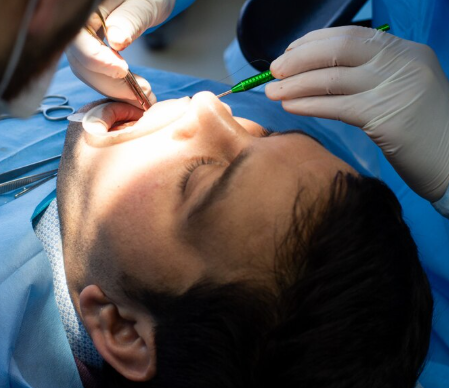
Microsurgical Gum Graft in Korea is an advanced form of gum regeneration that restores lost or receded gum tissue using high-magnification surgical microscopes and biologic materials. This technique allows for precise, minimally invasive, and pain-free gum reconstruction with superior aesthetic and functional results.
Unlike conventional gum grafting, microsurgical gum grafting focuses on ultra-precise incisions, minimized trauma, and enhanced blood supply, resulting in faster healing and predictable tissue integration.
Korea’s top periodontists integrate PRF (Platelet-Rich Fibrin), AI-guided digital gum mapping, and laser-assisted healing to achieve biologically natural and long-lasting outcomes. This procedure is ideal for patients with gum recession, root exposure, or thin gum tissue, and those seeking natural, aesthetic results with minimal discomfort.
Purpose & Benefits
Purpose
- Restore and thicken receded or thinning gum tissue.
- Cover exposed roots to reduce sensitivity and protect tooth structure.
- Improve gum aesthetics and smile harmony.
- Strengthen gum attachment for long-term stability.
- Promote biologic healing through microsurgical precision.
Benefits
- Minimally Invasive: Smaller incisions mean faster recovery.
- Pain-Free Healing: Less swelling, no visible scarring.
- High Aesthetic Precision: Microscopic magnification ensures symmetry and natural contour.
- Biologic Regeneration: PRF and laser therapy stimulate collagen growth.
- Predictable Outcomes: AI-guided planning ensures surgical accuracy.
- Faster Recovery: Tissue integration and healing occur 30–40% faster than conventional grafting.
Ideal Candidates
Microsurgical gum grafting is ideal for:
- Patients with localized or generalized gum recession.
- Those with thin or fragile gum tissue prone to further loss.
- Individuals with exposed roots causing tooth sensitivity.
- Patients seeking natural-looking aesthetic improvement.
- People preferring painless, modern alternatives to traditional grafting.
Possible Risks & Complications
This procedure is extremely safe, but mild temporary effects may include:
- Minor swelling or tenderness at the graft site (1–3 days).
- Slight gum tightness or color variation during healing.
- Rare sensitivity at the donor site (if autogenous graft used).
Korean specialists minimize these effects with AI-calibrated surgical systems, laser sterilization, and PRF biologic enhancement, ensuring comfort and optimal healing outcomes.
Techniques & Technology Used
Core Techniques
- Microsurgical Grafting: Ultra-precise magnified technique for minimal trauma and perfect tissue alignment.
- Connective Tissue Graft (CTG): Uses patient’s own tissue for natural gum restoration.
- Allogenic or Collagen Membrane Graft: Biologic alternative for non-harvest grafting.
- PRF (Platelet-Rich Fibrin) Integration: Stimulates natural regeneration and vascularization.
- Laser-Assisted Healing: Disinfects, seals tissues, and accelerates recovery.
- Oxygen-Ozone Therapy: Improves oxygen flow and reduces bacterial load.
- AI Digital Gum Mapping: Ensures accurate graft placement and contour analysis.
- Biophotonic Laser Stimulation: Activates collagen growth and cellular repair.
These combined techniques ensure natural, precise, and long-lasting gum regeneration.
Treatment Process in Korea
Step-by-Step Workflow
- Digital Assessment & Planning:
AI-guided imaging evaluates gum recession, tissue thickness, and graft dimensions. - Site Preparation & Sterilization:
Laser disinfects and prepares the surgical field for graft integration. - Microsurgical Graft Harvesting (if autogenous):
A thin connective tissue section is delicately collected from the palate. - Graft Placement:
Graft positioned under magnification for perfect adaptation and stability. - PRF Application (Optional):
PRF membrane applied to promote faster biologic healing. - Laser Sealing & Biostimulation:
Laser used to close the site and trigger collagen regeneration. - AI Healing Monitoring:
Post-surgical scans assess tissue integration and healing progress.
Recovery & Aftercare
Aftercare Guidelines
- Avoid brushing or chewing on the treated area for 5–7 days.
- Use prescribed antiseptic or saline rinses.
- Eat soft, cool foods and avoid spicy or crunchy textures.
- Refrain from smoking and alcohol for one week.
- Attend scheduled check-ups for AI-based healing assessment.
Recovery Timeline
- 1–2 Days: Mild discomfort and swelling subside.
- 1–2 Weeks: Gum tone and texture normalize.
- 4–6 Weeks: Full tissue integration and collagen regeneration complete.
Results & Longevity
Expected Results
- Restored gum thickness and natural color.
- Reduced sensitivity and improved protection.
- Balanced and aesthetic gum line.
- Enhanced periodontal health and smile appearance.
Longevity
- Results last 10–20 years or longer with proper oral hygiene.
- Korean clinics report 99% success rate in microsurgical grafting.
- Regular maintenance and laser detox recommended every 6–12 months.
Why Korea Is a Top Destination
- Global Pioneers in Microsurgical Periodontics: Korea leads in biologic and precision gum grafting.
- AI-Enhanced Accuracy: Digital mapping ensures symmetrical, aesthetic results.
- Biologic Healing Innovation: PRF and ozone therapy accelerate recovery.
- Painless Experience: Minimal bleeding and downtime with laser integration.
- Affordable Excellence: 40–60% lower cost than Western clinics.
- International Patient Support: English, Mandarin, and Japanese-speaking staff.
Korea’s fusion of microsurgical precision, biologic science, and AI technology makes it the global hub for advanced gum grafting and periodontal regeneration.
Unique Korean Methods & Technology
- AI-Guided Microsurgical Graft System
- PRF + Laser Biologic Regeneration
- CAD/CAM Gum Contour Design
- Oxygen-Ozone Therapy
- Guided Biofilm Therapy (GBT)
- Biophotonic Healing Lasers
- Microsurgical Flapless Design
- AI Healing Analytics Platform
These cutting-edge technologies ensure perfect graft integration, rapid healing, and long-term periodontal success.
Cost Range
| Treatment Package | Price (KRW) | Approx. USD | Inclusions |
|---|---|---|---|
| Single-Site Microsurgical Graft | ₩1,000,000 – ₩1,600,000 | $740 – $1,180 | Laser-assisted graft + PRF (optional) |
| Multi-Site Microsurgical Grafting | ₩2,000,000 – ₩3,200,000 | $1,480 – $2,360 | Multi-tooth grafting + AI digital mapping |
| Advanced Biologic Regeneration Program | ₩3,500,000 – ₩5,000,000 | $2,590 – $3,700 | PRF + CAD/CAM contour + full-arch microsurgery + AI tracking |
Popular Clinics
- Seoul National University Dental Hospital (Microsurgical Periodontics Unit): Leaders in high-magnification biologic gum grafting.
- Yonsei University Dental Hospital (Regenerative Dentistry Center): Experts in PRF-assisted microsurgery and AI-guided precision.
- Asan Medical Center (Oral Regenerative Division): Specialists in oxygen-ozone microsurgical periodontal therapy.
- Samsung Medical Dental Center: Advanced center for digital and laser-assisted gum regeneration.
- JK Biologic Dental Clinic (Gangnam): Globally recognized for painless, aesthetic microsurgical grafting and holistic recovery.


