
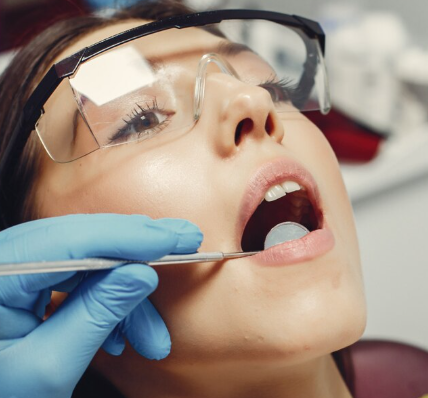
Treatment Overview
Flap Surgery in Korea is a periodontal surgical procedure designed to treat advanced gum recession and deep periodontal pockets by accessing, cleaning, and regenerating infected areas beneath the gums. It is one of the most effective treatments for moderate to severe periodontitis and gum detachment.
During the procedure, Korean periodontists gently lift a section of gum tissue (the “flap”) to access the root surfaces and bone beneath. The area is thoroughly cleaned, disinfected, and, if needed, treated with bone grafts, PRF (Platelet-Rich Fibrin), or biologic agents like Emdogain to promote natural regeneration.
Using microsurgical and laser-assisted techniques, Korea’s dental centers ensure minimal discomfort, faster healing, and long-term periodontal stability. The result is healthier, reattached gums and stronger support for teeth.
Purpose & Benefits
Purpose
- Remove plaque, calculus, and bacteria from deep gum pockets.
- Reduce pocket depth and stop disease progression.
- Promote reattachment of healthy gum tissue to tooth roots.
- Regenerate lost bone and connective tissue.
- Prevent further gum recession and tooth mobility.
Benefits
- Deep Cleaning Precision: Removes bacteria inaccessible by non-surgical cleaning.
- Regenerative Healing: PRF, collagen, or bone grafts stimulate tissue regeneration.
- Minimally Invasive: Microsurgical methods reduce trauma and accelerate recovery.
- Laser Sterilization: Ensures a bacteria-free surgical site.
- Improved Gum Stability: Restores healthy attachment and tooth support.
- Long-Term Protection: Prevents recurrence of gum disease and bone loss.
Ideal Candidates
Flap Surgery in Korea is ideal for:
- Patients with moderate to severe gum disease unresponsive to scaling and root planing.
- Individuals with deep periodontal pockets (≥5mm).
- Patients experiencing tooth mobility, gum swelling, or persistent bleeding.
- Those seeking regenerative solutions for bone and tissue loss.
- Individuals wanting aesthetic improvement after gum recession.
Possible Risks & Complications
Flap surgery is a safe and predictable procedure in Korean periodontal centers. Temporary side effects may include:
- Mild swelling or tenderness for 2–3 days.
- Temporary gum tightness during healing.
- Slight tooth sensitivity.
Korean specialists minimize risks through AI-guided surgical planning, laser sterilization, and PRF-assisted healing, ensuring rapid, safe, and comfortable recovery.
Techniques & Technology Used
Core Techniques
- Flap Reflection & Cleaning: Gums gently lifted to access and clean infected root surfaces.
- Laser-Assisted Debridement: Eliminates deep-seated bacteria and diseased tissue.
- PRF Regenerative Therapy: Uses patient’s own platelets for biologic healing.
- Bone Grafting (if needed): Rebuilds bone support lost due to infection.
- Collagen Membrane Placement: Aids soft tissue regeneration and reattachment.
- Emdogain Application: Promotes natural periodontal ligament and bone regeneration.
- AI Digital Mapping: Analyzes pocket depth, tissue health, and healing progress.
- Microsurgical Suturing: Reduces trauma and ensures natural gum contour.
These advanced techniques ensure comprehensive cleaning, regeneration, and stable periodontal healing.
Treatment Process in Korea
Step-by-Step Workflow
- Digital Periodontal Evaluation: AI 3D imaging assesses bone loss and infection.
- Laser Detoxification: Laser therapy sterilizes periodontal pockets.
- Flap Reflection: Gums gently lifted to expose root and bone surfaces.
- Deep Cleaning & Scaling: Removal of calculus, bacterial toxins, and necrotic tissue.
- Regenerative Material Placement: PRF, bone graft, or Emdogain applied to promote healing.
- Laser Biostimulation: Stimulates collagen and soft-tissue repair.
- Flap Repositioning & Microsuturing: Gums repositioned for proper contour and closure.
- AI Post-Operative Monitoring: Digital imaging used to track healing and regeneration.
Recovery & Aftercare
Aftercare Guidelines
- Avoid brushing the surgical area for 5–7 days.
- Rinse gently with antiseptic or saline solution.
- Eat soft, cool foods and avoid spicy or crunchy textures.
- Avoid smoking and alcohol during recovery.
- Attend follow-up appointments for healing assessments and professional cleanings.
Recovery Timeline
- 1–3 Days: Mild tenderness or swelling subsides.
- 1–2 Weeks: Gum reattachment and tissue healing progress.
- 4–6 Weeks: Complete regeneration and periodontal stability achieved.
Results & Longevity
Expected Results
- Elimination of deep periodontal pockets and infection.
- Healthier, reattached gum tissue and improved tooth stability.
- Reduction in inflammation, swelling, and bleeding.
- Enhanced breath freshness and oral comfort.
Longevity
Results typically last 10–20 years or more with proper maintenance.
Korean periodontal clinics report 97–99% success rates for regenerative flap procedures.
Professional cleanings and laser detox every 6 months help maintain long-term results.
Why Korea Is a Top Destination
- Regenerative Periodontal Expertise: Korean specialists are global leaders in biologic and microsurgical gum therapies.
- AI-Guided Precision: Ensures accurate pocket analysis and treatment planning.
- Laser Integration: Painless disinfection and accelerated healing.
- Biologic Materials: PRF and Emdogain enhance natural regeneration.
- Affordable Excellence: 40–60% lower costs than Western dental centers.
- International Support: English, Mandarin, and Japanese-speaking staff.
Korea’s combination of AI diagnostics, biologic regeneration, and microsurgical precision makes it a global hub for flap-based gum regeneration and periodontal healing.
Unique Korean Methods & Technology
- PRF + Emdogain Biologic Regeneration
- AI 3D Pocket Mapping
- Laser-Assisted Flap Surgery (LAFS)
- Oxygen-Ozone Detox Therapy
- Guided Biofilm Therapy (GBT)
- Biophotonic Healing Laser
- Microsurgical Gum Suturing
- AI Healing Analytics & Regrowth Tracking
These innovations provide superior precision, faster recovery, and biologically stable outcomes.
Cost Range
| Treatment Package | Price (KRW) | Approx. USD | Inclusions |
|---|---|---|---|
| Single-Quadrant Flap Surgery | ₩900,000 – ₩1,400,000 | $670 – $1,040 | Laser detox + PRF + microsurgical flap |
| Multi-Quadrant Regenerative Flap | ₩2,000,000 – ₩3,200,000 | $1,480 – $2,360 | PRF + collagen membrane + AI mapping |
| Advanced Biologic Flap Regeneration Program | ₩3,500,000 – ₩5,000,000 | $2,590 – $3,700 | PRF + bone graft + Emdogain + CAD/CAM contour |
Popular Clinics
- Seoul National University Dental Hospital (Periodontics Department): Experts in biologic and laser-assisted flap surgeries.
- Yonsei University Dental Hospital (Advanced Periodontal Unit): Pioneers in PRF and Emdogain regenerative microsurgery.
- Asan Medical Center (Oral Regenerative Division): Specialists in bone and tissue regeneration post-flap surgery.
- Samsung Medical Dental Center: Innovators in AI-guided flap mapping and laser periodontal therapy.
- JK Biologic Dental & Periodontal Clinic (Gangnam): Renowned for painless, biologic flap regeneration and holistic gum healing.


