
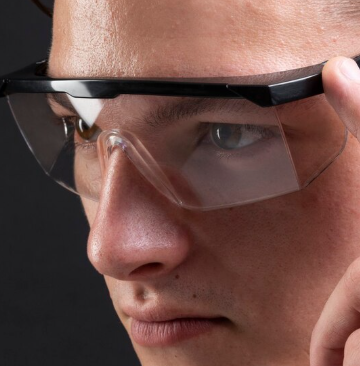
Treatment Overview
ArisKera Vision Shield (CXL) in Korea is a cutting-edge corneal stabilization therapy that strengthens and reinforces the cornea to halt the progression of keratoconus, corneal ectasia, or other degenerative corneal conditions. The treatment uses a synergistic combination of riboflavin (vitamin B2) and controlled ultraviolet-A (UV-A) light exposure to create new collagen bonds within the corneal tissue, significantly improving its biomechanical stability.
Unlike traditional corneal surgeries, ArisKera Vision Shield is a non-invasive, tissue-preserving procedure that enhances the cornea’s natural structure without reshaping or incision. Korean ophthalmology centers offering this treatment utilize AI-calibrated UV mapping, oxygen-assisted activation, and regenerative post-therapy systems, ensuring superior accuracy, comfort, and long-term safety.
ArisKera Vision Shield in Korea represents a new generation of corneal cross-linking — combining precision optics, biologic science, and advanced Korean medical technology to protect vision for life.
Purpose & Benefits
Purpose
- Strengthen weakened corneal tissue caused by keratoconus or post-surgical ectasia.
- Prevent further corneal deformation and visual distortion.
- Delay or avoid the need for corneal transplant surgery.
- Enhance corneal rigidity and preserve natural vision quality.
Benefits
- Permanent Corneal Strengthening: Creates durable collagen cross-links to stabilize the cornea.
- Vision Preservation: Stops progression of keratoconus and improves shape stability.
- AI-Guided UV Control: Ensures precise and uniform UV exposure for consistent outcomes.
- Non-Invasive Comfort: Minimal surface damage and rapid recovery.
- Oxygen-Enhanced Effectiveness: Accelerates collagen bonding and healing.
- Long-Term Protection: Strengthened cornea resists future deformation and thinning.
Ideal Candidates
ArisKera Vision Shield in Korea is suitable for:
- Patients diagnosed with keratoconus, corneal ectasia, or progressive corneal thinning.
- Individuals with irregular astigmatism or fluctuating vision from corneal instability.
- Young adults showing early signs of keratoconus progression.
- Patients seeking preventive corneal strengthening before undergoing refractive surgery.
Possible Risks & Complications
ArisKera Vision Shield is an extremely safe treatment, but minor, temporary side effects may occur:
- Mild Irritation or Sensitivity: Common for 24–48 hours post-treatment.
- Light Sensitivity: Temporary and resolves as the cornea heals.
- Mild Haze or Cloudiness: Short-term and clears within weeks.
- Dryness or Tearing: Managed with prescribed lubricating eye drops.
- Rare Infections: Prevented through antibiotic prophylaxis and sterile protocols.
Korean surgeons reduce risks using AI-monitored UV calibration, oxygen-modulated exposure, and cooling-control technology, ensuring a gentle, precise, and effective treatment process.
Techniques & Technology Used
Core Techniques
- Epithelium-On (Transepithelial) Cross-Linking: Non-invasive version preserving the surface epithelium for faster recovery.
- Epithelium-Off Cross-Linking: Traditional method offering deeper treatment penetration for advanced cases.
- AI-Calibrated UV Mapping: Adjusts UV energy levels and exposure time per corneal thickness.
- Riboflavin Absorption Enhancement: Improves molecular bonding efficiency and depth.
- Oxygen-Integrated UV Delivery: Increases collagen formation and cross-link stability.
- Regenerative Healing Therapy: Biologic recovery system accelerates epithelial regeneration.
This combination of AI precision, oxygen technology, and regenerative recovery defines the advanced standard of ArisKera Vision Shield in Korea.
Treatment Process in Korea
Step-by-Step Workflow
- Comprehensive Corneal Analysis:
Includes corneal topography, pachymetry, and biomechanical testing to assess disease stage and thickness. - Riboflavin Application:
Vitamin B2 solution is gently applied to the cornea to saturate tissue layers. - UV Light Activation:
AI-guided UV-A light activates the riboflavin to form strong collagen bonds, reinforcing the cornea. - Oxygen-Assisted Exposure:
Oxygen modulation ensures consistent cross-linking efficiency and tissue protection. - Protective Bandage Lens Placement:
A soft contact lens is applied to protect the eye and promote comfort during healing.
Procedure Duration: 30–45 minutes per eye
Recovery Period: Functional vision in 3–5 days; full stability within 4–8 weeks.
Recovery & After-Care
After-Care Guidelines
- Apply prescribed antibiotic and anti-inflammatory drops as directed.
- Avoid rubbing your eyes for at least one week.
- Wear sunglasses outdoors to reduce UV sensitivity.
- Refrain from swimming or sauna use for two weeks.
- Attend all follow-up appointments to track corneal stability.
Recovery Timeline
- Days 1–3: Mild irritation or light sensitivity; surface begins to heal.
- Week 1: Vision gradually improves; corneal haze reduces.
- Weeks 2–4: Corneal surface smooths; improved shape stability.
- 1–3 Months: Long-term strengthening and visual clarity achieved.
Results & Longevity
Expected Results
- Permanent stabilization of keratoconus or ectasia progression.
- Strengthened corneal structure with improved shape regularity.
- Enhanced visual stability and reduced distortion.
- Reduced need for future surgical intervention.
Longevity
ArisKera Vision Shield delivers permanent biomechanical reinforcement, maintaining corneal strength and vision stability for decades. Korean ophthalmology centers report success rates exceeding 95% in halting keratoconus progression and preserving long-term visual quality.
Why Korea Is a Top Destination
Korea is recognized globally as a pioneer in corneal cross-linking and vision stabilization technologies, offering precision, innovation, and patient-focused care.
- AI-Controlled Cross-Linking Systems: Real-time power adjustment for optimal results.
- Top Corneal Specialists: Experts trained in advanced CXL and keratoconus management.
- Oxygen-Enhanced Delivery Platforms: Improve cross-linking depth and recovery speed.
- Regenerative Post-Care Systems: Support rapid epithelial healing and comfort.
- Comprehensive Vision Rehabilitation: Full diagnostic-to-postoperative programs for long-term care.
- Global Excellence: High success rates, advanced equipment, and accessible international pricing.
Unique Korean Methods & Technology
- AI-Calibrated UV Light Delivery
- Transepithelial (Epi-On) Cross-Linking System
- Oxygen-Modulated Collagen Activation
- Cooling-Control UV Platform
- Real-Time Corneal Biomechanical Monitoring
- Regenerative Biologic Healing Integration
These innovations make ArisKera Vision Shield in Korea one of the safest, most precise, and effective corneal cross-linking treatments available worldwide.
Cost Range
| Treatment Package | Price (KRW) | Approx. USD | Inclusions |
|---|---|---|---|
| Standard CXL (Epi-Off) | ₩1,500,000 – ₩2,500,000 per eye | ~$1,100 – $1,900 | Standard riboflavin and UV-A treatment |
| Transepithelial (Epi-On) CXL | ₩2,800,000 – ₩3,800,000 per eye | ~$2,000 – $2,700 | Non-invasive CXL with oxygen modulation and AI exposure control |
| ArisKera Premium Vision Shield | ₩4,000,000 – ₩5,500,000+ per eye | ~$2,800 – $3,900+ | AI-calibrated UV therapy, regenerative healing system, and extended after-care program |
Prices may vary depending on corneal condition, technology level, and surgeon expertise.
Popular Clinics in Korea
- ArisKera Eye Center (Seoul): Specialized in AI-guided corneal cross-linking and regenerative stabilization.
- B&VIIT Eye Clinic (Gangnam): Leader in oxygen-enhanced CXL and keratoconus management.
- Dream Eye Center (Seoul): Offers advanced transepithelial CXL and biologic healing therapy.
- BGN Eye Clinic (Busan & Seoul): Provides comprehensive corneal stabilization programs.
- Glory Seoul Eye Clinic: Known for long-term corneal health and vision restoration expertise.


