
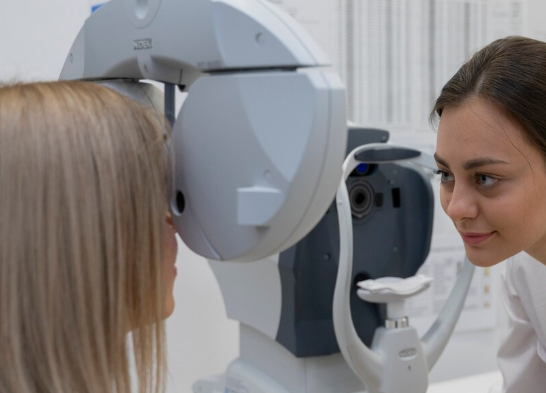
Treatment Overview
Advanced Corneal Cross-Linking (CXL) in Korea is a cutting-edge ophthalmic procedure that strengthens the cornea using controlled ultraviolet (UV) light and riboflavin (vitamin B2) activation. This treatment is primarily designed for patients with keratoconus, corneal ectasia, or progressive corneal thinning disorders, helping to stabilize and preserve vision while preventing further deformation of the corneal structure.
Korean ophthalmologists enhance the traditional CXL protocol with accelerated UV delivery systems, oxygen-enriched riboflavin absorption, and AI-calibrated corneal mapping for precise, patient-specific treatment. These advanced methods ensure maximum biomechanical stability with minimal discomfort and downtime.
Advanced Corneal Cross-Linking in Korea represents the next generation of corneal stabilization — merging biomedical innovation, digital precision, and regenerative ocular science to restore corneal strength and maintain long-term visual clarity.
Purpose & Benefits
Purpose
- Halt or slow the progression of keratoconus and other corneal ectatic disorders.
- Strengthen and stabilize weakened corneal collagen fibers.
- Preserve existing visual acuity and reduce distortion.
- Prevent the need for corneal transplantation.
- Enhance corneal biomechanics and optical integrity.
Benefits
- AI-Mapped Precision: Customized UV exposure tailored to each corneal shape and thickness.
- Accelerated Protocol: Shorter treatment time with equal or superior strengthening effects.
- Oxygen-Enhanced CXL: Improves riboflavin activation and cross-linking efficiency.
- Minimal Discomfort: Topical anesthesia and advanced cooling systems ensure comfort.
- Rapid Recovery: Vision stabilizes quickly, with minimal postoperative haze.
- Long-Term Stability: Clinically proven to stop disease progression in over 95% of cases.
Ideal Candidates
Advanced Corneal Cross-Linking in Korea is ideal for:
- Patients diagnosed with keratoconus, pellucid marginal degeneration, or post-LASIK ectasia.
- Individuals with progressive corneal thinning or irregular astigmatism.
- Young adults with early-stage keratoconus seeking long-term stabilization.
- Patients aiming to avoid or delay corneal transplantation.
- Those seeking the latest, most advanced CXL technologies for faster recovery.
Possible Risks & Complications
CXL is an extremely safe and well-tolerated procedure; however, temporary side effects may include:
- Mild Discomfort or Grittiness: Common during the first 24–48 hours.
- Light Sensitivity: Typically subsides within days.
- Temporary Vision Fluctuation: Normal during healing; stabilizes within weeks.
- Corneal Haze: Mild and transient; minimized with Korean regenerative protocols.
- Rare Infection or Inflammation: Prevented with antibiotic and anti-inflammatory drops.
Korean clinics use AI-guided pachymetry tracking and real-time UV modulation to ensure the highest level of safety and precision in every treatment.
Techniques & Technology Used
Core Techniques
- Epi-On and Epi-Off Cross-Linking: Customized based on corneal thickness and sensitivity.
- Accelerated UV Protocols (A-CXL): Shorter, high-intensity UV exposure for faster treatment.
- Oxygen-Enhanced Riboflavin Diffusion: Promotes deeper and more uniform collagen bonding.
- AI-Calibrated Corneal Mapping: Ensures precise UV targeting across all corneal zones.
- Regenerative Healing Therapy: Postoperative biologic drops support rapid epithelial recovery.
- UV-Controlled Smart System: Real-time feedback maintains consistent energy delivery.
These innovations make Korean CXL methods among the most advanced and biologically optimized corneal stabilization techniques worldwide.
Treatment Process in Korea
Step-by-Step Workflow
Comprehensive Corneal Evaluation:
Topography, pachymetry, and biomechanical scans determine the optimal protocol.
Anesthesia & Preparation:
Topical anesthetic drops ensure a comfortable, pain-free procedure.
Riboflavin Application:
Vitamin B2 solution is applied to the cornea to prepare for UV activation.
UV Cross-Linking Exposure:
Controlled UV light is directed onto the cornea, activating cross-linking between collagen fibers.
Regenerative Therapy & Protection:
Special healing agents or biologic drops are applied post-treatment, followed by a protective contact lens.
Procedure Duration: 15–30 minutes per eye
Recovery Period: Functional vision usually returns within 2–4 days; complete stabilization in 3–6 weeks.
Recovery & After-Care
After-Care Guidelines
- Use prescribed antibiotic, anti-inflammatory, and lubricating drops as directed.
- Avoid eye rubbing or water exposure for one week.
- Wear UV-blocking sunglasses during outdoor activities.
- Limit contact lens wear until cleared by your ophthalmologist.
- Attend all follow-up appointments for corneal monitoring.
Recovery Timeline
- Days 1–3: Mild discomfort and sensitivity; epithelial layer regenerates.
- Week 1: Vision begins to clear; corneal healing progresses.
- Weeks 2–4: Vision stabilizes; corneal strength improves.
- 3 Months: Full biomechanical stability achieved.
Results & Longevity
Expected Results
- Stabilization of keratoconus or ectasia progression.
- Improved corneal rigidity and shape symmetry.
- Clearer, more stable vision over time.
- Reduction in dependence on specialty lenses.
Longevity
Advanced CXL in Korea provides permanent corneal strengthening, with results lasting decades.
Clinical data show over 95% long-term stabilization, especially when combined with regenerative aftercare and personalized UV calibration.
Why Korea Is a Top Destination
Korea leads globally in ophthalmic innovation and regenerative eye care, offering unmatched precision and technology integration.
- AI-Guided CXL Systems: Optimize UV dosage and riboflavin diffusion in real time.
- Oxygen-Boosted Healing Protocols: Enhance tissue recovery and transparency.
- Expert Corneal Specialists: Skilled in both traditional and advanced CXL methods.
- Regenerative Ocular Therapy: Biologic agents reduce inflammation and improve outcomes.
- Comprehensive Eye Care Programs: Combine diagnostics, laser therapy, and follow-up optimization.
- Proven Results: Exceptional patient satisfaction and sustained visual improvement.
Unique Korean Methods & Technology
- AI-Calibrated Corneal Topography & Pachymetry
- Accelerated & Oxygen-Enhanced UV Cross-Linking
- Epi-On Comfort Protocols for Sensitive Eyes
- Biologic Regenerative Eye Drops for Rapid Healing
- Smart UV Energy Control Systems
- UV-Protective Aftercare & Long-Term Monitoring
These technologies make Advanced Corneal Cross-Linking in Korea one of the safest, fastest, and most effective corneal stabilization treatments worldwide.
Cost Range
| Treatment Package | Price (KRW) | Approx. USD | Inclusions |
|---|---|---|---|
| Standard CXL (Epi-Off) | ₩1,200,000 – ₩1,800,000 per eye | ~$900 – $1,300 | Traditional UV and riboflavin therapy |
| Accelerated CXL (A-CXL) | ₩2,000,000 – ₩2,800,000 per eye | ~$1,400 – $2,000 | Fast protocol with AI-guided UV control |
| Premium Regenerative CXL | ₩3,000,000 – ₩4,500,000+ per eye | ~$2,200 – $3,300+ | AI-calibrated UV modulation, oxygen-enriched therapy, and biologic healing care |
Pricing may vary based on clinic technology, corneal condition, and surgeon expertise.
Popular Clinics in Korea
- B&VIIT Eye Center (Seoul): Leader in AI-assisted CXL and corneal biomechanics.
- Dream Eye Center (Seoul): Specializes in regenerative and oxygen-enhanced cross-linking.
- BGN Eye Clinic (Busan & Seoul): Offers advanced CXL with long-term stabilization follow-up.
- Glory Seoul Eye Clinic: Known for precision CXL and comfort-based Epi-On protocols.
- K-Cure Vision Center (Gangnam): Pioneers in biologic regenerative corneal therapy.


