
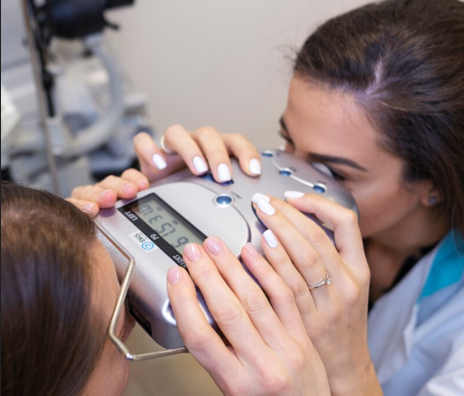
Treatment Overview
Orthokeratology (Ortho-K) in Korea is a specialized, non-surgical vision correction therapy that uses custom-designed, gas-permeable contact lenses to gently reshape the cornea while you sleep. For patients with keratoconus, irregular astigmatism, or early corneal ectasia, this therapy can significantly improve daytime vision clarity, reduce distortion, and slow disease progression — without surgery or laser treatment.
Korean ophthalmologists use AI-assisted corneal mapping, topography-guided lens design, and oxygen-permeable lens technology to tailor each Ortho-K lens precisely to the patient’s unique corneal shape. The result is a smooth, temporary reshaping of the corneal surface that allows clear vision during waking hours.
Orthokeratology in Korea offers a safe, reversible, and non-invasive alternative for managing keratoconus, combining modern lens design with scientific precision to enhance both vision quality and corneal stability.
Purpose & Benefits
Purpose
- Reshape the corneal surface to improve optical focus and clarity.
- Correct refractive errors associated with keratoconus or irregular corneas.
- Reduce visual distortion, glare, and ghosting effects.
- Delay or prevent the progression of keratoconus in early stages.
- Provide a non-surgical, reversible option for vision improvement.
Benefits
- Non-Surgical & Reversible: No tissue removal or permanent changes to the cornea.
- Nighttime Wear, Daytime Clarity: Clear vision throughout the day without lenses or glasses.
- Custom Lens Design: Tailored to individual corneal topography and severity of keratoconus.
- Enhanced Corneal Stability: Gentle reshaping promotes biomechanical balance.
- Comfortable & Safe: Advanced oxygen-permeable materials ensure healthy corneal breathing.
- Ideal for Early Keratoconus: Helps stabilize vision and slow structural progression.
Ideal Candidates
Orthokeratology in Korea is ideal for:
- Patients with early-stage or mild keratoconus.
- Individuals who want to avoid surgery or laser procedures.
- Those experiencing visual distortion or irregular astigmatism.
- Patients seeking daytime vision correction without eyewear.
- Individuals with adequate corneal thickness and stable topography.
Possible Risks & Complications
Orthokeratology is extremely safe when properly fitted, though mild, temporary effects may occur:
- Initial Discomfort: Slight awareness during the first few nights of lens wear.
- Dryness or Irritation: Relieved with lubricating eye drops.
- Light Sensitivity: Temporary, subsides as corneal shape stabilizes.
- Lens Fit Adjustments: May be needed to ensure optimal comfort and clarity.
- Rare Corneal Inflammation: Prevented through hygiene and professional monitoring.
Korean clinics employ AI-assisted fitting systems, real-time corneal topography, and advanced lens materials to minimize risks and ensure precise, safe adaptation.
Techniques & Technology Used
Core Techniques
- AI-Calibrated Corneal Topography: Maps and monitors corneal curvature with micron-level precision.
- Custom Lens Design Software: Creates lenses specific to each eye’s unique profile.
- High Oxygen-Permeable Lens Material: Supports corneal health during overnight wear.
- Reverse Geometry Lens Technology: Applies controlled pressure to reshape the corneal surface.
- Biologic Tear Film Support: Maintains hydration and comfort throughout wear.
- Regular Follow-Up Imaging: Ensures stable vision and long-term corneal health.
These technologies make Orthokeratology in Korea one of the most advanced and customized non-surgical options for keratoconus management worldwide.
Treatment Process in Korea
Step-by-Step Workflow
Step 1 – Comprehensive Corneal Evaluation:
Detailed topography, tomography, and tear film testing determine corneal health and suitability.
Step 2 – Lens Design & Fitting:
AI-guided design software creates personalized Ortho-K lenses tailored to corneal curvature and cone position.
Step 3 – Initial Lens Trial:
Patients wear the custom lenses overnight under professional supervision to confirm comfort and reshaping response.
Step 4 – Adjustment & Optimization:
Minor adjustments ensure ideal fit, clear vision, and uniform reshaping.
Step 5 – Maintenance & Monitoring:
Regular follow-ups ensure stable vision and ongoing corneal health.
Procedure Duration: Initial fitting and adaptation over 2–3 visits
Recovery Period: Noticeable vision improvement within 1–2 nights; stable results in 1–2 weeks.
Recovery & After-Care
After-Care Guidelines
- Wear lenses nightly as directed by your ophthalmologist.
- Clean and disinfect lenses daily with recommended solutions.
- Avoid exposure to dusty or smoky environments during lens use.
- Use lubricating drops to maintain hydration and comfort.
- Attend scheduled follow-up visits to monitor corneal shape and lens condition.
Recovery Timeline
- Days 1–2: Initial adaptation; mild awareness of lens presence.
- Week 1: Vision stabilizes; significant improvement in clarity.
- Weeks 2–3: Full reshaping effect achieved with optimal comfort.
- 1 Month: Corneal stability and visual correction maintained daily.
Results & Longevity
Expected Results
- Improved corneal shape and regularity.
- Clear, unaided vision throughout the day.
- Reduced optical aberrations and distortion.
- Enhanced visual comfort and quality of life.
Longevity
Orthokeratology provides sustained visual improvement as long as lens wear continues.
Korean clinics report over 90% success rates in stabilizing early keratoconus progression and maintaining consistent visual clarity with continued use and regular monitoring.
Why Korea Is a Top Destination
Korea leads globally in customized contact lens innovation and non-surgical corneal therapies, providing advanced Orthokeratology systems and superior patient outcomes.
- AI-Guided Lens Customization: Ensures perfect corneal reshaping for each eye.
- Topography-Integrated Fitting: Provides precision unmatched by standard Ortho-K systems.
- Oxygen-Permeable Lens Materials: Support long-term comfort and safety.
- Expert Keratoconus Specialists: Experienced in non-invasive corneal correction and stabilization.
- Comprehensive Eye Care Programs: Include diagnosis, lens design, and follow-up topography.
- High Clinical Success Rate: Consistent long-term vision stability and patient satisfaction.
Unique Korean Methods & Technology
- AI-Calibrated Corneal Topography & Mapping
- Reverse Geometry, High-Permeability Lens Design
- Real-Time Corneal Shape Monitoring
- Biologic Tear Film Support Systems
- Oxygen-Enhanced Overnight Therapy
- Long-Term Stability & Regenerative Maintenance Protocols
These innovations make Orthokeratology in Korea one of the safest, most advanced, and effective non-surgical treatments for reshaping the cornea and improving vision in keratoconus patients.
Cost Range
| Treatment Package | Price (KRW) | Approx. USD | Inclusions |
|---|---|---|---|
| Standard Ortho-K Fitting | ₩1,200,000 – ₩1,800,000 per eye | ~$850 – $1,300 | Custom-designed Ortho-K lenses with standard fitting sessions |
| AI-Guided Ortho-K Package | ₩2,000,000 – ₩2,800,000 per eye | ~$1,400 – $2,000 | AI-calibrated design, topography integration, and comfort optimization |
| Premium Keratoconus Ortho-K Program | ₩3,000,000 – ₩4,500,000+ per eye | ~$2,100 – $3,200+ | Topography-based AI lenses, regenerative eye therapy, and long-term follow-up care |
Pricing may vary depending on corneal condition, lens design complexity, and clinic technology.
Popular Clinics in Korea
- B&VIIT Eye Center (Seoul): Specialized in AI-based Ortho-K for keratoconus and corneal stabilization.
- Dream Eye Center (Seoul): Expert in topography-guided Ortho-K and customized corneal rehabilitation.
- BGN Eye Clinic (Busan & Seoul): Offers high-oxygen Ortho-K lenses with advanced corneal imaging.
- Glory Seoul Eye Clinic: Renowned for biologic tear film therapy and long-term Ortho-K follow-up care.
- K-Cure Vision Center (Gangnam): Pioneers in AI-calibrated Orthokeratology design and corneal monitoring.


