
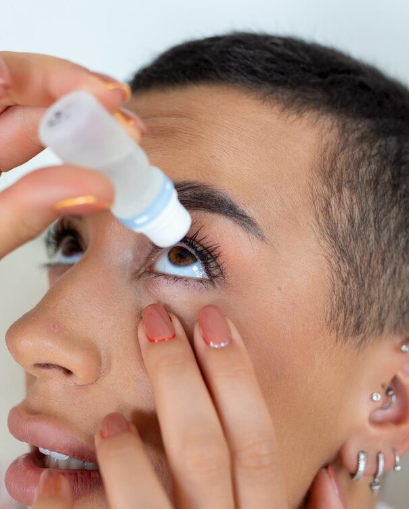
Treatment Overview
Autologous Serum Eye Drops (ASED) in Korea are an advanced, biologically derived treatment for severe Dry Eye Syndrome, ocular surface disease, and corneal epithelial damage. These drops are made from the patient’s own blood serum, processed to create a sterile, nutrient-rich solution that closely mimics natural tears.
Unlike artificial lubricants, autologous serum drops contain essential growth factors, vitamins, and immunologic components that promote true healing of the corneal surface. Korean ophthalmologists combine this biologic therapy with AI-assisted diagnostic imaging, sterile laboratory technology, and customized concentration formulations to achieve optimal results for each patient’s ocular condition.
Autologous Serum Eye Drops in Korea provide deep, long-lasting hydration, reduce inflammation, and repair damaged epithelial tissue — offering a personalized and regenerative solution for patients with chronic or treatment-resistant dry eye.
Purpose & Benefits
Purpose
- Restore and stabilize the tear film using natural biologic components.
- Heal damaged corneal and conjunctival cells caused by chronic dryness.
- Reduce inflammation and ocular surface irritation.
- Support recovery from surgery, trauma, or severe ocular surface disease.
- Provide relief when conventional artificial tears are ineffective.
Benefits
- Biocompatible & Natural: Derived from the patient’s own serum, minimizing allergic reactions.
- Regenerative Healing: Promotes tissue repair and nerve regeneration.
- Deep, Long-Lasting Hydration: Rich in natural tear components like lysozyme, fibronectin, and vitamin A.
- Safe for Long-Term Use: Sterile and preservative-free.
- Customizable Concentration: Tailored to each patient’s severity level.
- Enhanced Comfort & Clarity: Restores smoothness to the corneal surface for improved vision.
Ideal Candidates
Autologous Serum Eye Drops in Korea are ideal for:
- Patients with severe Dry Eye Syndrome unresponsive to standard treatments.
- Individuals with ocular surface damage from autoimmune diseases or surgery.
- Those with neurotrophic keratitis, chemical burns, or corneal ulcers.
- Post-LASIK or PRK patients with chronic dryness.
- Individuals with Meibomian gland dysfunction or ocular inflammation.
Possible Risks & Complications
Autologous serum drops are highly safe, as they are made from the patient’s own blood. However, minor temporary effects may occur:
- Mild Stinging or Blurriness: Temporary upon instillation.
- Cold Sensitivity: Due to chilled storage requirements.
- Contamination (Rare): Prevented through strict sterile production and refrigerated storage.
Korean clinics ensure safety with automated sterile processing, AI-controlled serum dilution, and quality testing before every patient batch.
Techniques & Technology Used
Core Techniques
- Blood Collection & Centrifugation: Patient’s blood is drawn and separated into serum and cellular components.
- Serum Filtration & Sterilization: The serum is filtered and diluted with sterile saline under clinical-grade conditions.
- Customized Concentration (20–100%): Formulated according to dryness severity and ocular surface status.
- Cold Chain Preservation: Stored at low temperatures to maintain bioactivity and sterility.
- Regenerative Eye Care Integration: Combined with LipiFlow, IPL, or CXL for comprehensive healing.
- Ocular Surface Imaging: Monitors tissue regeneration and tear film restoration.
These techniques make Autologous Serum Eye Drops in Korea one of the most advanced, patient-specific, and regenerative treatments for severe ocular surface disorders.
Treatment Process in Korea
Step-by-Step Workflow
Step 1 – Medical Evaluation:
Comprehensive dry eye testing and ocular surface imaging determine suitability.
Step 2 – Blood Collection:
A small amount of the patient’s blood is drawn under sterile conditions.
Step 3 – Serum Preparation:
The serum is centrifuged, filtered, diluted, and sterilized to the prescribed concentration.
Step 4 – Storage & Dispensing:
The drops are divided into sterile single-use vials and stored at refrigerated temperatures.
Step 5 – Application:
Patients apply the drops several times daily as directed by their ophthalmologist.
Procedure Duration: 1–2 hours for preparation
Recovery Period: Noticeable improvement within 1–2 weeks; full healing in 1–3 months.
Recovery & After-Care
After-Care Guidelines
- Store serum drops in the refrigerator or freezer as instructed.
- Discard each vial after 24 hours of opening.
- Use sterile technique when handling to prevent contamination.
- Avoid touching the dropper tip to the eye or lashes.
- Continue regular checkups for corneal healing assessment.
Recovery Timeline
- Week 1: Reduction in dryness and irritation.
- Week 2–4: Improved tear stability and surface hydration.
- 1–3 Months: Complete epithelial healing and sustained comfort.
- 3–6 Months: Long-term maintenance and ocular surface normalization.
Results & Longevity
Expected Results
- Reduction in dryness, burning, and redness.
- Restoration of smooth, clear corneal surfaces.
- Improved visual clarity and comfort.
- Enhanced healing post-surgery or corneal injury.
Longevity
Autologous Serum Eye Drops provide lasting ocular surface healing when used consistently.
Korean clinics report over 90% patient satisfaction and significant reduction in chronic dryness after long-term use, with results sustained for months following treatment completion.
Why Korea Is a Top Destination
Korea is internationally recognized for regenerative ophthalmology and biologic eye therapies, providing world-leading expertise in serum-derived treatments for ocular surface health.
- AI-Guided Diagnostic Systems: Ensure precise dry eye evaluation and customization.
- Sterile Clinical Laboratories: Guarantee safe, contamination-free serum preparation.
- Regenerative Healing Integration: Promotes true tissue repair and lasting hydration.
- Personalized Concentration Formulas: Tailored for individual patient needs.
- Expert Ophthalmologists: Specialized in ocular surface and corneal restoration.
- Comprehensive Care Programs: Include diagnostics, serum production, and follow-up care.
Unique Korean Methods & Technology
- AI-Calibrated Serum Preparation Systems
- Automated Sterile Filtration & Cold Chain Management
- Ocular Surface Regeneration Imaging
- Growth Factor & Vitamin-Rich Healing Formulation
- Oxygen-Enriched Regenerative Eye Therapy
- Long-Term Ocular Stability Maintenance Protocols
These innovations make Autologous Serum Eye Drops in Korea one of the most biologically advanced, safe, and effective treatments for severe Dry Eye Syndrome and corneal healing.
Cost Range
| Treatment Package | Price (KRW) | Approx. USD | Inclusions |
|---|---|---|---|
| Standard ASED Preparation (20–50%) | ₩1,200,000 – ₩1,800,000 | ~$850 – $1,300 | Basic serum extraction and 1-month supply of drops |
| Customized ASED Therapy (50–100%) | ₩2,000,000 – ₩2,800,000 | ~$1,400 – $2,000 | Personalized concentration with regenerative eye care integration |
| Premium Regenerative ASED Program | ₩3,000,000 – ₩4,500,000+ | ~$2,100 – $3,200+ | AI-calibrated serum preparation, biologic healing protocol, and extended follow-up care |
Pricing may vary based on concentration, technology, and clinical expertise.
Popular Clinics in Korea
- B&VIIT Eye Center (Seoul): Expert in customized serum drop formulation and regenerative ocular surface therapy.
- Dream Eye Center (Seoul): Specialized in biologic eye treatments and advanced tear regeneration systems.
- BGN Eye Clinic (Busan & Seoul): Offers AI-assisted serum therapy with premium corneal healing programs.
- Glory Seoul Eye Clinic: Known for serum-based regenerative treatments and biologic corneal repair.
- K-Cure Vision Center (Gangnam): Pioneers in AI-guided serum therapy and dry eye restoration.


