
Treatment Overview
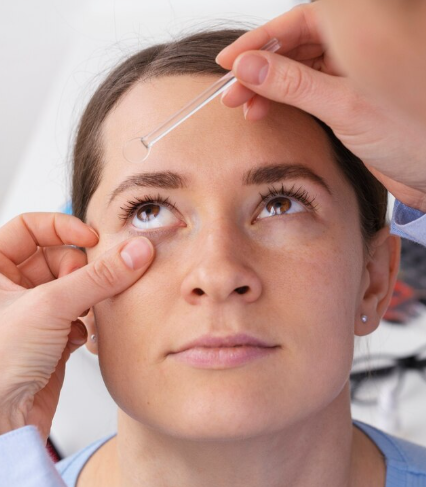
Cell Membrane Stabilization Eye Drops in Korea are an advanced pharmacologic and biologic therapy designed to protect and restore the integrity of ocular surface cells affected by Dry Eye Syndrome, oxidative stress, and chronic inflammation. These specialized eye drops reinforce corneal and conjunctival cell membranes, improving resilience, tear film retention, and overall ocular comfort.
Korean ophthalmologists formulate and prescribe AI-personalized eye drop therapies that utilize lipid nanocarriers, antioxidants, and membrane-stabilizing peptides to prevent cell damage and improve tear film stability. By strengthening the lipid bilayer of ocular cells, the drops prevent evaporation, enhance corneal hydration, and restore the natural barrier function of the eye.
Cell Membrane Stabilization Eye Drops in Korea represent a next-generation dry eye treatment that combines molecular science and ophthalmic precision to achieve deep, long-lasting protection for the ocular surface.
Purpose & Benefits
Purpose
- Strengthen and stabilize the corneal and conjunctival cell membranes.
- Protect ocular surface cells from oxidative and inflammatory damage.
- Enhance tear film adhesion and lipid layer integrity.
- Prevent water loss and improve long-term ocular hydration.
- Promote cellular repair and tissue resilience.
Benefits
- Cellular-Level Protection: Shields ocular cells from external stressors and inflammation.
- Enhanced Tear Film Stability: Improves lipid retention and tear distribution.
- Reduced Irritation: Soothes and protects the cornea from dryness and damage.
- Accelerated Healing: Aids epithelial recovery in chronic or post-surgical dry eye.
- Long-Lasting Hydration: Sustains moisture for extended periods.
- Safe for Sensitive Eyes: Biocompatible and preservative-free formulations available.
Ideal Candidates
Cell Membrane Stabilization Eye Drops in Korea are ideal for:
- Patients with moderate to severe Dry Eye Syndrome.
- Individuals experiencing ocular surface damage due to aging, surgery, or screen exposure.
- Those with contact lens intolerance or ocular inflammation.
- Post-LASIK or PRK patients requiring enhanced epithelial protection.
- Individuals with autoimmune-related ocular surface disease such as Sjögren’s Syndrome.
Possible Risks & Complications
These eye drops are formulated for high biocompatibility and safety, with minimal risk. Mild, temporary effects may include:
- Transient Blurred Vision: Due to lipid-based composition; clears within seconds.
- Mild Stinging or Warm Sensation: Common on first application.
- Rare Sensitivity: Managed by adjusting formulation concentration.
Korean ophthalmologists ensure optimal tolerance and effectiveness through AI-based formulation customization and tear film compatibility testing.
Techniques & Technology Used
Core Techniques
- AI-Guided Tear Film Analysis: Identifies lipid imbalance and ocular membrane condition.
- Nanolipid Encapsulation: Enhances drug absorption and cellular protection.
- Membrane-Stabilizing Molecules: Includes phospholipids, ceramides, and antioxidant peptides.
- Antioxidant Infusion Therapy: Reduces oxidative stress and inflammation.
- Regenerative Biologic Integration: Supports natural epithelial repair.
- Customized Drug Delivery Systems: Tailored viscosity and concentration for each patient.
These technologies make Cell Membrane Stabilization Eye Drops in Korea a key innovation in advanced ocular surface and dry eye therapy.
Treatment Process in Korea
Step-by-Step Workflow
Step 1 – Diagnostic Imaging:
AI-based ocular surface mapping and tear film evaluation determine cell membrane integrity.
Step 2 – Personalized Formulation:
A custom blend of membrane stabilizers, antioxidants, and lipid compounds is prepared.
Step 3 – Initial Application:
The drops are administered under ophthalmic supervision to ensure proper absorption and comfort.
Step 4 – Continued Home Use:
Patients use the prescribed drops regularly, typically 2–4 times daily, depending on severity.
Step 5 – Follow-Up Evaluation:
Tear film stability and corneal surface recovery are monitored through imaging and comfort assessments.
Treatment Duration: Ongoing; initial improvement typically seen within 1–2 weeks.
Recovery & After-Care
After-Care Guidelines
- Apply drops at regular intervals as prescribed.
- Store formulations as directed — some require refrigeration.
- Avoid touching the dropper tip to the eye.
- Use in conjunction with warm compresses or regenerative therapy if advised.
- Attend follow-up appointments for tear film stability analysis.
Recovery Timeline
- Week 1: Reduction in dryness and irritation.
- Weeks 2–4: Improved comfort and hydration; membrane stability increases.
- 1–3 Months: Significant regeneration and long-term protection of ocular surface cells.
Results & Longevity
Expected Results
- Strengthened corneal and conjunctival cell membranes.
- Reduced dryness, burning, and foreign-body sensation.
- Enhanced tear film consistency and optical clarity.
- Improved comfort during screen use and environmental exposure.
Longevity
Cell Membrane Stabilization Eye Drops provide sustained ocular protection and comfort with consistent use.
Korean clinics report over 90% improvement in tear film stability and epithelial resilience in patients using personalized formulations for 2–3 months.
Why Korea Is a Top Destination
Korea is a global leader in pharmaceutical-grade ophthalmic biotechnology and personalized ocular care, combining innovation and safety to provide world-class results for dry eye management.
- AI-Calibrated Formulation Systems: Precisely balance membrane-repairing components.
- Advanced Biologic Laboratories: Develop pharmaceutical-grade regenerative compounds.
- Personalized Tear Film Diagnostics: Allow individualized eye drop design.
- Expert Corneal Specialists: Skilled in managing complex ocular surface conditions.
- Integrative Eye Care Programs: Combine medication, imaging, and regenerative therapy.
- Global Recognition: Korean clinics achieve top outcomes in long-term ocular comfort and visual clarity.
Unique Korean Methods & Technology
- AI-Guided Personalized Eye Drop Formulation
- Nanolipid Encapsulation for Deep Cellular Protection
- Antioxidant & Peptide-Based Membrane Repair Systems
- Regenerative Growth Factor Integration
- Real-Time Tear Film Stability Tracking
- Long-Term Ocular Surface Maintenance Programs
These innovations make Cell Membrane Stabilization Eye Drops in Korea one of the most advanced and effective medical-grade treatments for restoring ocular health and protecting against chronic Dry Eye Syndrome.
Cost Range
| Treatment Package | Price (KRW) | Approx. USD | Inclusions |
|---|---|---|---|
| Standard Lipid-Stabilizing Drops | ₩400,000 – ₩800,000 | ~$290 – $570 | Biocompatible formulation with clinical evaluation |
| AI-Personalized Eye Drop Program | ₩1,000,000 – ₩1,800,000 | ~$720 – $1,300 | Customized nanolipid and antioxidant formulation with diagnostics |
| Premium Regenerative Membrane Therapy | ₩2,000,000 – ₩3,500,000+ | ~$1,400 – $2,500+ | AI-guided, growth factor-integrated therapy with long-term follow-up care |
Prices vary depending on formulation type, clinic technology, and specialist expertise.
Popular Clinics in Korea
- B&VIIT Eye Center (Seoul): Specialized in nanolipid eye formulations and regenerative ocular care.
- Dream Eye Center (Seoul): Expert in customized membrane-stabilizing eye drop therapy for severe dryness.
- BGN Eye Clinic (Busan & Seoul): Offers AI-personalized ocular membrane restoration programs.
- Glory Seoul Eye Clinic: Renowned for antioxidant-infused regenerative dry eye treatments.
- K-Cure Vision Center (Gangnam): Pioneers in lipid nanocarrier-based eye drops and corneal protection therapy.


