
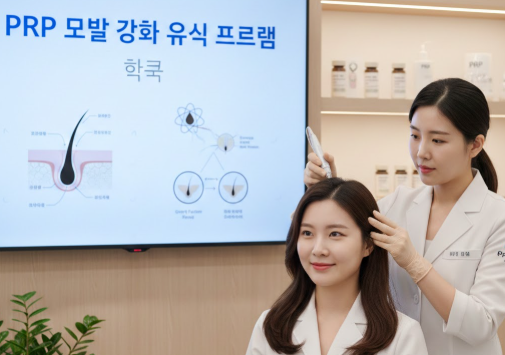
Treatment Overview
PRP Hair Thickening Maintenance Program in Korea is a specialized therapy designed for patients who have undergone initial hair restoration treatments and want to maintain, strengthen, and thicken their hair over the long term. This maintenance program utilizes platelet-rich plasma (PRP), derived from the patient’s own blood, to continuously stimulate hair follicles, enhance scalp health, and prevent thinning or shedding.
Korean clinics are globally recognized for precision PRP protocols and personalized maintenance plans. The program ensures that the results of previous hair restoration treatments, such as PRP, PRF, or hair transplantation, are preserved and improved, providing thicker, denser, and healthier hair.
Purpose & Benefits
The main objectives and benefits of a PRP Hair Thickening Maintenance Program include:
- Maintaining and enhancing hair density after initial treatment
- Strengthening existing hair shafts and improving follicle resilience
- Preventing hair shedding and further thinning
- Promoting scalp circulation and nutrient delivery
- Supporting post-transplant or post-PRP hair growth
- Providing ongoing stimulation for dormant or miniaturized hair follicles
- Offering a natural, non-surgical method to maintain hair health over time
This program is designed to sustain and extend the benefits of previous hair restoration procedures, ensuring long-lasting results.
Ideal Candidates
PRP Hair Thickening Maintenance Program in Korea is suitable for:
- Men and women who have completed initial hair restoration treatments
- Patients with early-stage thinning who want to maintain hair density
- Post-hair-transplant patients seeking ongoing graft support
- Individuals who have undergone PRP or PRF therapy and wish to maintain results
- Patients looking for a non-invasive, natural approach to long-term hair care
Patients with severe baldness may require additional procedures for optimal density, but the maintenance program helps preserve existing follicles.
Possible Risks & Complications
This maintenance program is generally safe and well-tolerated. Mild, temporary side effects may include:
- Redness, swelling, or tenderness at injection sites
- Mild scalp itching or discomfort
- Minor pinpoint bleeding
Because PRP uses autologous blood, the risk of allergic reactions is extremely low. Serious complications are rare when treatment is performed in accredited Korean clinics under sterile conditions.
Techniques & Technology Used
Korean clinics employ advanced techniques to optimize PRP maintenance therapy:
- High-Concentration PRP Preparation
- Blood is processed using specialized centrifuges to obtain a high platelet concentration for maximum follicle stimulation.
- Precision Injection Techniques
- Micro-needles or automated injectors deliver PRP to targeted thinning or treated areas for even distribution.
- Digital Scalp Imaging & Follicle Mapping
- Trichoscopy monitors hair density, scalp condition, and ongoing follicle activity to tailor treatment intervals.
- Combination Protocols
- Optional adjuncts such as microneedling, LED therapy, or nutrient boosters may be used to enhance PRP absorption and efficacy.
This approach ensures optimal hair maintenance and long-term follicle health with minimal discomfort.
Treatment Process in Korea
1. Consultation & Scalp Assessment
- Specialists review patient history, previous treatments, and current hair density using high-resolution imaging.
2. Blood Collection & PRP Preparation
- 10–30 ml of blood is drawn and processed to produce high-concentration PRP.
3. Scalp Preparation
- The scalp is disinfected, and topical numbing cream or cooling devices are applied to minimize discomfort.
4. PRP Injection Procedure
- PRP is injected strategically into thinning areas or previously treated zones to maintain hair density and stimulate follicles.
5. Optional Adjunct Treatments
- Microneedling, LED therapy, or nutrient serums may be applied to optimize absorption and follicle activation.
6. Follow-Up & Maintenance
- Maintenance sessions are typically scheduled every 3–6 months, depending on the patient’s hair condition and treatment goals.
- Ongoing monitoring ensures personalized adjustments to optimize long-term hair health.
Recovery & After-Care
Recovery is minimal due to the non-invasive nature of the procedure:
- Mild redness or tenderness at injection sites for a few hours
- Temporary scalp itching or slight discomfort
- Avoid washing hair for 12–24 hours post-treatment
- Refrain from saunas, intense exercise, or heavy sweating for 24–48 hours
- Use gentle hair care products for several days
- Limit alcohol, smoking, and harsh chemicals temporarily
Patients can resume normal daily activities immediately.
Results & Longevity
Results from a PRP Hair Thickening Maintenance Program typically include:
- 1–2 months: Stabilization of hair density and reduction in shedding
- 3–4 months: Noticeable thickening of existing hair shafts
- 5–6 months: Strengthened follicles with improved scalp health
- 6–12 months: Sustained hair density and overall hair quality
Regular maintenance ensures that the results of prior hair restoration treatments are preserved and enhanced, providing long-lasting hair health.
Why Korea Is a Top Destination
Korea is a leading destination for PRP Hair Thickening Maintenance Program due to:
- Expertise in advanced PRP protocols and personalized maintenance schedules
- High-quality, certified PRP preparation kits and equipment
- Precision scalp diagnostics and follicle mapping technology
- Affordable pricing compared to Europe, the US, or other Asian countries
- Medical tourism infrastructure including English-speaking coordinators, translators, and follow-up care
- Proven track record in long-term hair restoration and maintenance
Korean clinics integrate research-based protocols with aesthetic expertise to provide superior hair maintenance outcomes for international patients.
Cost Range
PRP Hair Thickening Maintenance Program in Korea typically costs:
- Per session: USD $300–$600
- 3-session package: USD $850–$1,500
- 6-session package: USD $1,500–$2,700
Pricing depends on:
- Clinic reputation and specialist experience
- PRP concentration and preparation technique
- Inclusion of adjunct therapies (microneedling, LED therapy, nutrient boosters)
- Follow-up services for international patients
Many clinics offer packages to ensure consistent hair maintenance and optimal long-term results.
Popular Clinics in Korea
Reputable clinics offering PRP Hair Thickening Maintenance Program include:
- Banobagi Dermatology & Hair Center
- ID Dermatology Clinic
- Wonjin Dermatology Clinic
- Oracle Dermatology (multiple branches)
- Mojelim Hair Transplant Clinic
- Forhair Korea (Hair Science Lab)
- Seoul National University Hospital Dermatology Department
These clinics are recognized for advanced PRP protocols, personalized maintenance programs, and high-quality care for international patients.


