
Treatment Overview
Finasteride Therapy is one of the most popular and clinically proven methods to treat hair loss, particularly androgenetic alopecia, by reducing DHT levels in the scalp. Korea has become a top destination for medical tourists seeking hair-loss treatment because of its advanced dermatology clinics, high-quality medications, and combination therapy options.
Patients can access Finasteride as a standalone treatment or alongside complementary therapies such as PRP injections, Minoxidil, and low-level laser therapy (LLLT) to enhance hair regrowth outcomes.
Purpose & Benefits
Understanding the cost and accessibility is crucial for patients planning treatment abroad. The benefits of Finasteride Therapy in Korea include:
- Effective hair loss prevention through DHT reduction
- Combination therapy options for faster and more noticeable results
- Professional monitoring to minimize side effects
- Accessible prescriptions via licensed dermatology clinics
- Integration with other hair-loss treatments for holistic care
Korean clinics also focus on patient safety and personalized treatment plans, which adds value beyond just the medication.
Ideal Candidates
Finasteride Therapy in Korea is suitable for:
- Men with male pattern baldness or androgenetic alopecia
- Women with androgen-sensitive hair thinning (under strict supervision)
- Patients seeking combination therapies to enhance hair regrowth
- International patients who are planning short-term visits for medical treatment
- Individuals who can commit to regular follow-up visits or remote monitoring
Clinics conduct thorough evaluations to determine eligibility and optimize treatment plans.
Possible Risks & Complications
Finasteride is generally well-tolerated, but potential side effects include:
- Reduced libido or mild sexual dysfunction
- Decreased semen volume
- Breast tenderness or swelling (rare)
- Mood changes (rare)
Korean clinics mitigate these risks with careful patient selection, monitoring, and sometimes by prescribing topical Finasteride for localized treatment.
Techniques & Technology Used
Korean clinics use advanced technology to ensure safe and effective therapy:
- Digital scalp imaging to track hair density and thinning patterns
- AI-assisted trichoscopy for precise follicle evaluation
- Custom dosing protocols for oral or topical Finasteride
- Combination therapy packages including PRP, LLLT, and Minoxidil
- Telemedicine or remote follow-up options for international patients
This combination of technology and professional care ensures optimal outcomes for hair-loss patients.
Treatment Process in Korea
- Initial Consultation: Assessment of hair loss pattern, scalp health, and medical history.
- Diagnosis: Digital imaging and follicle mapping to identify affected areas.
- Prescription: Oral or topical Finasteride prescribed according to patient needs.
- Combination Planning (Optional): Incorporation of PRP, LLLT, or other supportive therapies.
- Follow-Up: Regular check-ups every 1–3 months to monitor hair growth and side effects.
- Maintenance: Continued therapy to ensure hair preservation and long-term scalp health.
Clinics provide clear guidance for international patients regarding appointments, dosage, and therapy expectations.
Recovery & After-Care
- Regular adherence to Finasteride dosing
- Gentle scalp care to prevent irritation
- Reporting any side effects immediately
- Nutritional support and stress management to support hair regrowth
- Attending scheduled follow-ups, either in person or remotely
Following these steps ensures safe, effective, and sustainable hair-loss management.
Results & Longevity
- 2–3 months: Early stabilization of hair loss
- 4–6 months: Strengthening of existing hair follicles
- 6–12 months: Noticeable improvement in hair density
- 12+ months: Long-term preservation of hair and scalp health
Results may improve when Finasteride is combined with supportive therapies offered by Korean clinics.
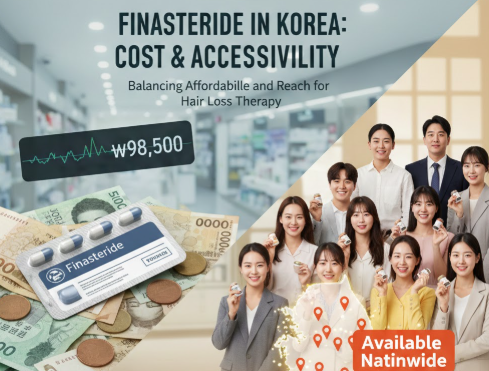
Cost Range
- Oral Finasteride: ₩15,000–₩80,000 per month depending on brand and dosage
- Topical Finasteride: ₩25,000–₩90,000 per month
- Combination therapies (PRP, LLLT, Minoxidil): ₩300,000–₩1,000,000 per month
- Consultation & scalp analysis: ₩20,000–₩50,000 per visit
Costs vary depending on the clinic, combination therapy chosen, and the patient’s duration of stay.
Accessibility for International Patients
- Finasteride is prescription-only in Korea; patients must see a licensed dermatologist.
- Many clinics provide English-speaking staff and guidance for foreign patients.
- Remote follow-up options are available to reduce the number of in-person visits.
- While Finasteride is not covered by insurance for cosmetic purposes, it is widely available for out-of-pocket purchase.
- Combination therapy packages are tailored for international patients seeking an all-in-one treatment plan.
Why Korea Is a Top Destination
- High-quality clinics with expert dermatologists
- Advanced diagnostic and monitoring technology
- Safe and regulated pharmaceutical standards
- Combination therapy protocols for faster and longer-lasting results
- Transparent costs and tailored medical tourism packages
- Multilingual support for international patients
These factors make Korea an ideal choice for patients seeking effective, accessible hair-loss treatment.
Popular Clinics in Korea
- Motion Clinic
- Dr. For Hair Clinic
- Mojelim Hair Clinic
- Gwangnam Dermatology
- Girin Dermatology
- Dana Dermatology
- Regen Dermatology
These clinics are recognized for professional care, advanced diagnostics, and comprehensive hair-loss treatment programs.


