
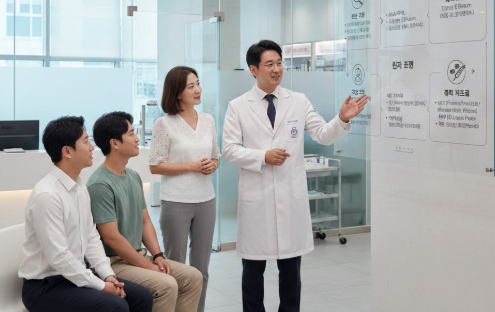
Treatment Overview
Combination Medical Hair Loss Management in Korea is a multi-therapy program that integrates oral DHT blockers, topical minoxidil, PRP injections, low-level laser therapy (LLLT), mesotherapy, scalp scaling, and nutritional support to treat hair loss effectively. The program is designed to be personalized, ensuring patients receive the combination of treatments best suited to their hair loss type, age, and scalp condition.
Before starting treatment, clinics in Korea carefully evaluate patients to determine eligibility, ensuring safety and optimal outcomes. This step is crucial because the combination therapy involves multiple interventions that interact with hormonal, nutritional, and scalp health factors.
Purpose & Benefits
The purpose of evaluating patient eligibility is to maximize treatment efficacy while minimizing risks. Benefits of proper patient selection include:
- High probability of visible hair regrowth
- Reduced risk of side effects from DHT blockers or injections
- Customized therapy based on hair density, scalp condition, and hormonal profile
- Effective long-term maintenance of hair density and scalp health
- Better patient satisfaction with measurable outcomes
Eligibility ensures that combination therapy is not only safe but also highly effective for the individual.
Ideal Candidates
Combination therapy is suitable for a wide range of patients, including:
- Men and women with androgenetic alopecia: Patients with male or female pattern hair loss benefit most.
- Early to moderate hair loss: Individuals with thinning hair or receding hairlines show the most dramatic improvement.
- Patients who have not responded to single therapies: Those who tried minoxidil or DHT blockers alone with limited success.
- Post-transplant patients: Helps enhance graft survival and regrowth after hair transplant surgery.
- Individuals with scalp issues: Those with seborrheic dermatitis, inflammation, or poor scalp circulation can benefit from scalp-focused treatments.
- Patients seeking non-surgical solutions: Combination therapy provides effective, minimally invasive alternatives to transplants.
Korean clinics emphasize starting treatment early for optimal long-term results.
Exclusion Criteria
Not every patient qualifies for combination therapy. Individuals with the following conditions may require alternative approaches:
- Severe baldness with completely inactive follicles
- Active scalp infections or dermatological conditions that could worsen with injections
- Severe systemic illnesses such as uncontrolled diabetes or immunodeficiency
- Known allergies to components of PRP, mesotherapy, or topical medications
- Pregnant or breastfeeding women (for hormonal therapies like DHT blockers)
Korean dermatologists conduct a thorough medical history review, blood tests, and scalp examination before approving treatment.
Age Considerations
Combination therapy is generally safe for adults aged 18–65, with the highest efficacy observed in patients between 20–45 years. Younger patients tend to respond faster due to more active hair follicles, while older patients may require longer treatment or adjunctive therapies for significant regrowth.
Gender Considerations
- Men: Typically prescribed oral DHT blockers alongside topical minoxidil and PRP.
- Women: Often treated with topical therapies, PRP, laser therapy, and nutritional support; DHT blockers may be used cautiously in select cases.
- Gender-specific adjustments ensure both safety and effectiveness in long-term outcomes.
Health & Lifestyle Considerations
Korean clinics evaluate health and lifestyle factors, as these can affect hair growth and therapy success:
- Smoking, excessive alcohol, and poor diet may reduce effectiveness
- Stress levels and sleep patterns are assessed; stress management is recommended
- Patients with nutrient deficiencies are provided with supplements to enhance follicle growth
Proper patient eligibility assessment ensures these factors are addressed before starting combination therapy.
Diagnostic Tools Used for Eligibility
Korean clinics use advanced diagnostic tools to determine suitability:
- Digital Hair Density Scans: Measures hair thickness and follicle count
- Scalp Microscopy: Detects scalp inflammation, sebum levels, and miniaturization
- Blood Tests: Check hormones, vitamin levels, and thyroid function
- Photographic Documentation: Baseline images to monitor progress
This ensures each patient receives a tailored therapy plan optimized for long-term results.
Treatment Process for Eligible Patients
Once eligibility is confirmed, the treatment process includes:
- Personalized Protocol Design: Selecting the appropriate combination of therapies.
- Clinic Sessions: PRP, laser therapy, mesotherapy, and scalp treatments as required.
- Home-Based Regimen: Prescribed topical solutions, medications, and at-home laser therapy.
- Regular Monitoring: Every 1–2 months to track hair density and adjust therapy.
- Maintenance Plan: Long-term strategy to sustain results based on patient response.
Recovery & After-Care
Recovery is generally minimal for eligible patients. After-care measures include:
- Consistent application of topical medications
- Attendance at all scheduled clinic sessions
- Healthy lifestyle and nutrition support
- Avoidance of scalp trauma or harsh chemicals
- Follow-up consultations to ensure side effects are minimal
Adherence to after-care protocols is a critical factor for achieving the desired long-term results.
Results & Longevity
Eligible patients experience:
- 2–3 months: Reduction in hair shedding and early thickening
- 4–6 months: Noticeable regrowth and improved density
- 6–12 months: Significant long-term improvement and scalp health
- Maintenance beyond 12 months: Continued stability with ongoing therapy
Long-term success rates in Korea are 75–90% for compliant patients, particularly when eligibility criteria are met and therapy is personalized.
Why Korea Is a Top Destination for Eligible Patients
Korea is globally recognized for its combination hair loss management due to:
- Advanced diagnostics to determine patient eligibility
- Personalized treatment plans for maximum safety and efficacy
- Integration of multi-therapy protocols for superior results
- Experienced dermatologists specializing in hair restoration
- Transparent monitoring with before-and-after documentation
- Affordable packages for domestic and international patients
This structured approach ensures eligible patients get the best chance of achieving sustainable hair restoration.
Cost Range
Costs for eligible patients vary depending on therapy selection:
- Monthly combination program: USD 150–450
- PRP sessions: USD 150–300
- Laser therapy: USD 100–200 per session
- Oral/topical medications: USD 20–40 per month
- 3-month intensive program: USD 600–1,200
- 12-month comprehensive program: USD 1,500–2,500
Eligibility ensures that the patient invests in a program that will yield optimal, measurable results.
Popular Clinics in Korea
Clinics with expertise in patient eligibility and combination therapy include:
- Banobagi Dermatology – Seoul
- Mojelim Hair Clinic – Seoul
- Cheongdam Yonsei Dermatology
- Oracle Dermatology Network
- NIL Hair Medical Center
- Dr. For Hair Scalp Clinics
These clinics excel at screening patients, designing personalized protocols, and monitoring outcomes for safe, long-term success.


