
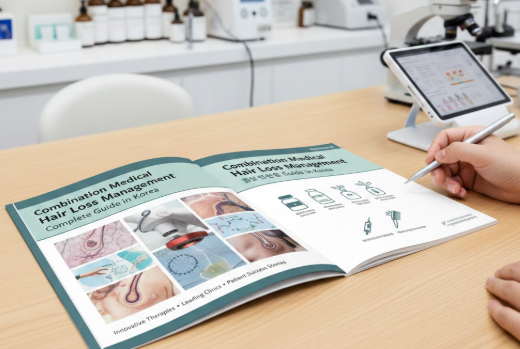
Treatment Overview
Combination medical hair loss management in Korea is a comprehensive multi-therapy approach designed to address various causes of hair loss simultaneously. Instead of relying on a single treatment, Korean dermatologists combine several scientifically proven methods—such as DHT blockers, PRP injections, laser therapy, topical treatments, scalp scaling, growth factor solutions, and nutritional support—to deliver superior outcomes.
This approach allows clinics to target every layer of the hair ecosystem: hormones, scalp inflammation, blood circulation, follicle nutrition, and hair growth cycles. Korea is known for its highly personalized protocols that adapt to each patient’s condition, stage of hair loss, lifestyle, and genetic factors.
Purpose & Benefits
Korean combination therapy aims to create a stronger, faster, and more sustainable improvement than standalone treatments. Benefits include:
- Faster reduction in shedding
- Visible thickening of hair within 2–4 months
- Improved scalp environment and reduced inflammation
- Revitalization of weakened follicles
- Enhanced blood circulation
- Better support for post–hair transplant patients
- Higher long-term results than single treatments
- Holistic improvement in hair density and quality
By addressing multiple causes—including DHT influence, stress, poor scalp health, and nutritional deficiencies—the combination method ensures more stable and long-lasting improvements.
Ideal Candidates
Combination medical hair loss management is suitable for:
- Men and women with mild to severe hair thinning
- Patients with androgenetic alopecia
- People who tried single treatments with limited success
- Those experiencing seasonal or stress-related shedding
- Post-transplant patients wanting to protect grafts
- Patients looking for non-surgical but strong results
- Individuals with sensitive or inflamed scalp conditions
This multi-therapy system is especially beneficial for patients who want to delay or avoid hair transplant surgery by strengthening existing hair.
Possible Risks & Complications
Combination treatments are usually safe and well-tolerated due to Korea’s advanced monitoring systems, but some possible risks include:
- Mild redness after PRP or growth factor injections
- Temporary shedding during the early response cycle
- Scalp dryness from topical medications
- Hormonal sensitivity to oral DHT blockers (rare)
- Temporary scalp tingling after laser therapy
- Allergic reaction to certain topical solutions (very rare)
Korean dermatologists typically perform patch tests, scalp scans, and frequent follow-ups to reduce risks and ensure safe adjustments throughout the program.
Techniques & Technology Used
Korea is globally recognized for its cutting-edge hair restoration technologies. A typical combination program may include:
• DHT Blockers (Oral & Topical): Finasteride, Dutasteride, or topical anti-DHT formulations
• PRP (Platelet-Rich Plasma) Therapy: Concentrated growth factors from the patient’s blood
• Growth Factor & Stem Cell Solutions: Clinic-formulated serums that revive weakened follicles
• Low-Level Laser Therapy (LLLT): Boosts scalp circulation and cellular activity
• Scalp Scaling: Deep cleansing to remove sebum, dandruff, and inflammation
• Mesotherapy: Micro-injections of vitamins and peptides
• Microneedling: Enhances absorption and stimulates collagen
• Nutritional Supplements: Biotin, zinc, amino acids, marine collagen
• Digital Scalp Analysis: High-resolution imaging and follicle tracking
Korean clinics combine these methods strategically to maximize both stimulation and maintenance.
Treatment Process in Korea
The process typically follows these steps:
1. Initial Consultation
A dermatologist conducts a detailed scalp scan, hormone review, lifestyle assessment, and medical history evaluation.
2. Diagnosis & Planning
Hair density, thickness, growth rate, inflammation levels, and DHT sensitivity are measured to create a personalized plan.
3. Start of Multi-Therapy Program
A combination of DHT blockers, topical solutions, laser sessions, and scalp treatments begins immediately.
4. 1–3 Months
- Shedding is reduced
- Inflammation decreases
- Hair feels stronger
- PRP or growth factor injections may be added
5. 3–6 Months
- Visible thickening
- Improved texture and density
- Enhanced blood flow
6. 6–12 Months
- More defined hairline support
- Continuous regrowth and stabilization
- Maintenance plan introduced
Most international patients follow a structured 6- or 12-month plan with optional long-term maintenance via oral or topical therapy.
Recovery & After-Care
Combination therapy is non-surgical, so downtime is minimal. After-care typically includes:
- Regular use of prescribed oral or topical treatments
- Weekly or biweekly laser sessions
- Anti-inflammatory scalp management programs
- Hydrating shampoos and serums
- Avoiding harsh chemicals or heat styling tools
- Scalp-friendly lifestyle and nutrition habits
- Stress management
- Monthly clinic visits (or online follow-up for travelers)
For PRP or mesotherapy days, clinics may advise avoiding heavy exercise and saunas for 24 hours.
Results & Longevity
Patients usually experience:
- 30–50% shedding reduction within 1–2 months
- Noticeable thickening in 3–4 months
- Improved volume and strength in 6–9 months
- Maximum visible results at 12 months
Longevity depends on continuous maintenance, especially for androgenetic alopecia. With a consistent regimen, results can stay stable for many years.
Korean combination therapy aims to deliver natural-looking, dense, and healthy hair that maintains long-term stability.
Why Korea Is a Top Destination
Korea is internationally recognized for hair restoration excellence due to:
- Highly trained dermatologists specializing in hair and scalp science
- Advanced diagnostic imaging and custom-tailored programs
- Clinics that integrate Eastern and Western medical approaches
- Affordable treatment packages compared to the US or Europe
- Clinical-grade products and technologies unavailable elsewhere
- Strong emphasis on natural results and patient safety
- Exceptional medical tourism support for foreigners
Korea’s combination therapy approach is considered one of the most effective non-surgical hair loss solutions worldwide.
Cost Range
Costs vary depending on the clinic, duration, and included treatments:
- Consultation: $10–$30
- Monthly combination program: $200–$500
- PRP per session: $150–$300
- 6-month complete package: $1,200–$2,500
- 12-month package: $2,200–$4,500
- Additional laser or scalp sessions: $20–$50 each
Korea provides excellent value due to high-quality equipment and skilled specialists.
Popular Clinics in Korea
Well-known clinics offering combination medical hair loss management include:
- Gowoon Sesang Dermatology Clinic
- Oracle Dermatology Center
- Wonjin Hair Restoration Clinic
- Moawin Hair Clinic
- Jakomo Dermatology Gangnam
- ID Dermatology Hair Center
These clinics specialize in multi-step, personalized hair loss programs for both Korean and international patients.


