
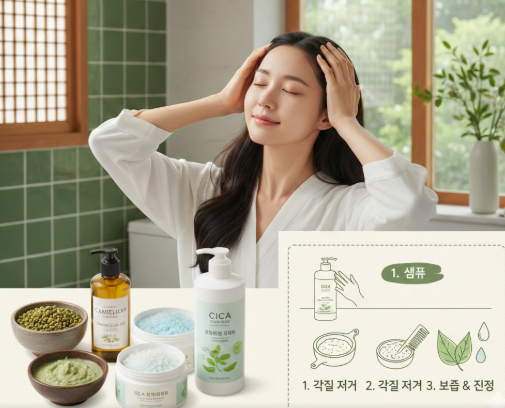
Scalp psoriasis is a chronic inflammatory condition that requires ongoing management. While professional treatments in Korea’s advanced dermatology clinics provide effective relief, home care plays a critical role in maintaining scalp health, reducing flare-ups, and promoting hair growth. Implementing proper routines and lifestyle changes can complement clinical treatments for long-term results.
This guide provides home care tips for scalp psoriasis in Korea, including daily routines, products, recovery strategies, and how they integrate with professional treatments.
Treatment Overview
Home care for scalp psoriasis focuses on maintaining a healthy scalp environment and reducing triggers that worsen symptoms. Key components include:
- Medicated Shampoos: Daily or weekly use of corticosteroid, ketoconazole, or salicylic acid shampoos
- Moisturizers & Oils: Gentle scalp moisturizers and natural oils to prevent dryness and cracking
- Topical Treatments: Light application of prescribed creams or ointments for targeted plaque reduction
- Scalp Hygiene: Regular cleansing to remove flakes, oil, and buildup
- Lifestyle Adjustments: Diet, stress management, and hair care practices to prevent flare-ups
Proper home care complements clinical interventions, making professional therapies more effective and prolonging results.
Purpose & Benefits
The main purposes and benefits of home care for scalp psoriasis are:
- Reduce redness, itching, and scaling between clinic visits
- Maintain scalp moisture and prevent dryness
- Minimize hair follicle stress and promote hair growth
- Reduce the frequency and severity of flare-ups
- Complement professional treatments for faster and longer-lasting results
Home care ensures that clinical benefits are reinforced in daily life, improving overall scalp health.
Ideal Candidates
Home care tips are suitable for:
- Patients with mild, moderate, or chronic scalp psoriasis
- Individuals recovering from professional treatments in Korean clinics
- Medical tourists who want to maintain treatment results at home
- People with sensitive scalps prone to flare-ups
- Those seeking long-term management without relying solely on medications
Korean dermatologists provide personalized home care instructions based on scalp condition and treatment history.
Possible Risks & Complications
While home care is generally safe, potential risks include:
- Overuse of medicated shampoos leading to scalp dryness or irritation
- Applying incompatible oils or products that may trigger inflammation
- Scratching or aggressive combing, which can damage hair follicles
- Ignoring flare-ups, leading to worsening symptoms or infection
- Over-reliance on home care without consulting professionals for severe cases
Korean dermatologists emphasize proper guidance and monitoring to minimize these risks.
Techniques & Technology Used
Effective home care combines practical techniques with professional-grade products:
- Medicated Shampoos: Rotate between anti-inflammatory and antifungal shampoos as advised by dermatologists
- Scalp Massage: Gentle massage improves blood circulation and enhances absorption of topical treatments
- Moisturizing & Oils: Use of light, non-comedogenic oils to maintain scalp barrier
- Topical Applications: Apply creams or ointments in small amounts to affected areas
- Avoiding Triggers: Reduce stress, maintain a balanced diet, and avoid harsh chemicals or heat styling
- Monitoring: Document flare-ups, response to products, and hair changes for clinic follow-up
These techniques reinforce professional treatment and support scalp recovery at home.
Daily Home Care Routine
- Shampooing: Use a medicated shampoo 2–3 times per week or as recommended by your dermatologist
- Moisturizing: Apply gentle scalp moisturizer or light oils daily to prevent dryness
- Topical Therapy: Apply prescribed creams or ointments to plaques after washing
- Gentle Combing: Avoid scratching; use a soft brush or wide-tooth comb
- Stress Management: Engage in relaxation techniques such as yoga, meditation, or walking
- Healthy Diet: Include anti-inflammatory foods, vitamins, and minerals to support scalp health
- Record Keeping: Track flare-ups, triggers, and product usage for better clinical guidance
Consistency in daily routines ensures optimal results from both home care and clinic treatments.
Recovery & After-Care
Proper home care enhances recovery after professional scalp psoriasis treatments:
- Reduces scaling and redness between clinic visits
- Supports hair regrowth by maintaining a healthy scalp environment
- Prevents dryness, cracking, and discomfort
- Extends the effectiveness of treatments like scalp scaling, laser therapy, or PRP
- Encourages long-term maintenance of scalp health
Combining home care with follow-ups at Korean dermatology clinics ensures sustained improvement.
Results & Longevity
Patients who implement proper home care report:
- Noticeable reduction in itching, flaking, and redness
- Improved scalp hydration and hair quality
- Fewer and less severe flare-ups
- Longer-lasting results from professional treatments
- Enhanced comfort, confidence, and quality of life
Consistency and adherence to home-care guidelines are key to maintaining these results.
Treatment Review
Patients and medical tourists in Korea highlight several benefits of home care:
- Effectiveness: Supports professional treatments and reduces relapse frequency
- Safety: Low risk when following dermatologists’ instructions
- Convenience: Easy to integrate into daily routines
- Professional Guidance: Korean clinics provide detailed instructions for safe home care
- Complementary Benefits: Works synergistically with scalp scaling, medicated shampoos, topical therapy, and laser treatments
- Patient Satisfaction: High satisfaction due to visible improvements and better scalp comfort
Home care is a crucial component of successful scalp psoriasis management.
Why Korea Is a Top Destination
Korea is a leading destination for scalp psoriasis treatment and home-care guidance because:
- Clinics provide professional training on effective home-care routines
- Combination of advanced treatments and safe at-home practices ensures optimal results
- Expertise in gender-specific, postpartum, and sensitive scalp conditions
- Integration of modern technology like digital scalp analysis with practical care tips
- Support for medical tourists including English guidance and follow-up care
- Affordable, high-quality dermatology care with long-term management strategies
Patients benefit from Korea’s comprehensive approach to scalp psoriasis, including both clinic treatments and home care.
Cost Range
Home care itself is affordable and complements clinic treatments:
- Medicated Shampoos & Topicals: ₩20,000–₩60,000 per month
- Moisturizers & Oils: ₩10,000–₩30,000 per month
- Scalp Care Kits (Optional): ₩50,000–₩150,000 for clinic-recommended home kits
- Follow-Up Consultations: ₩50,000–₩100,000 per visit for monitoring progress
Investing in proper home care ensures long-term scalp health and reduces the need for frequent intensive clinic visits.
Popular Clinics in Korea
Top Korean dermatology clinics that provide home-care guidance for scalp psoriasis include:
- Oracle Dermatology Clinic
- ID Dermatology Seoul
- HERS Dermatology Clinic
- Renewme Skin Clinic
- Cheongdam Scalp Clinic
- MediHair Korea
- WellSkin Dermatology
- Gowoonsesang Dermatology Clinic
These clinics provide professional training, product recommendations, and ongoing support for safe and effective home care.


