
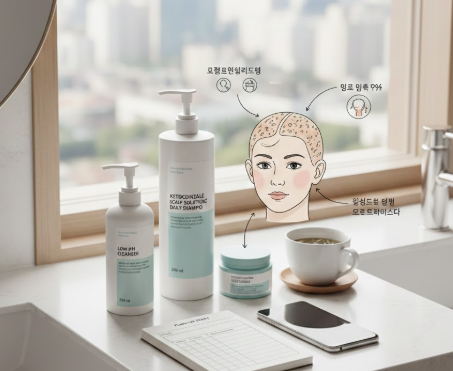
Seborrheic dermatitis is one of the most common scalp conditions affecting both locals and medical tourists in Korea. Known for its red patches, flaky scales, persistent dandruff, and uncomfortable itching, this condition requires a structured and consistent approach for long-term control. Korea is widely recognized for its advanced dermatology system, medically supervised skincare solutions, and holistic scalp-care programs delivered by licensed trichologists and dermatologists.
This step-by-step guide will help you understand exactly how seborrheic dermatitis is managed in Korea and what treatment routine delivers the best results.
Understanding Seborrheic Dermatitis in Korea
In Korea, seborrheic dermatitis is treated as a chronic inflammatory scalp disorder linked to excess oil production, Malassezia yeast overgrowth, and environmental triggers like humidity and stress. Dermatology clinics in Seoul, Busan, and Daegu often include scalp analysis and personalized scalp microbiome assessments to determine severity. Korean clinicians focus on a combination of medical therapy, deep scalp hygiene, and lifestyle modification to prevent flare-ups.
Step 1: Get a Professional Scalp Diagnosis
The first step in Korea is undergoing a digital scalp analysis, commonly performed with a high-resolution microscope (50–300× magnification). Most Korean clinics offer:
What the Diagnosis Includes
• Scalp oil and moisture measurement
• Dandruff severity scoring
• Inflammation and redness mapping
• Yeast activity assessment
• Hair root density check
This thorough assessment allows dermatologists to determine whether the condition is mild, moderate, or severe and helps shape the treatment plan.
Step 2: Follow Medical-Grade Cleansing and Exfoliation
Korean seborrheic dermatitis management always starts with deep cleansing, also known as Scalp Scaling. This treatment removes hardened sebum, flakes, yeast colonies, and product buildup.
What Scalp Scaling in Korea Includes
• Chemical exfoliation using salicylic or lactic acid
• Physical exfoliation using micro-head tools
• Sebum-dissolving steam therapy
• Antifungal cleansing rinses
This step restores a clean foundation so that medications and serums can absorb properly.
Step 3: Use Prescription Medications as Recommended
Korean dermatologists prescribe medications depending on the severity.
Common Medications Used
• Ketoconazole shampoo (controls yeast overgrowth)
• Ciclopirox shampoo (reduces scaling and inflammation)
• Topical corticosteroid lotions (for flare-ups)
• Pimecrolimus or tacrolimus creams (non-steroid options)
• Zinc pyrithione and selenium sulfide solutions (oil control)
Medications are usually used 2–3 times per week for 4–8 weeks depending on symptoms.
Step 4: Maintain Scalp Oil Balance with Korean Haircare Products
The K-beauty scalp care industry offers gentle yet effective products suitable for seborrheic dermatitis.
Popular Korean Ingredients
• Tea tree extract (antimicrobial and anti-inflammatory)
• Centella asiatica (soothes irritation)
• Probiotics (rebalance scalp microbiome)
• Panthenol (moisture regulation)
• Green tea and mugwort
These products help keep the scalp clean and balanced without stripping essential moisture.
Step 5: Try Clinic-Based Antifungal Therapies
Moderate to severe cases often require additional clinic-based procedures.
Effective In-Clinic Treatments in Korea
• Low-Level Laser Therapy (LLLT) to reduce inflammation and boost scalp healing
• LED antibacterial therapy to control yeast growth
• Medical scalp steaming to unclog pores
• Antifungal iontophoresis for deeper penetration of medicated serums
These noninvasive procedures boost the effectiveness of prescription treatments.
Step 6: Reduce Inflammation with Korean Scalp Soothing Treatments
Inflammation is what causes redness, itching, and discomfort. Korean clinics often incorporate soothing programs.
Soothing Therapies May Include
• Cryotherapy cooling treatments
• Botanical scalp masks
• Calming ampoule infusions
• High-frequency therapy to disinfect and reduce irritation
These procedures are usually combined with monthly maintenance sessions.
Step 7: Regular Maintenance to Prevent Flare-Ups
Korean dermatologists emphasize consistency. Seborrheic dermatitis is chronic, meaning treatment doesn’t end when symptoms disappear.
Korean Maintenance Recommendations
• Use medicated shampoo 1–2 times per week
• Continue monthly scalp scaling
• Avoid high-oil hair products
• Reduce stress and improve sleep quality
• Follow a routine designed to control excess sebum
With proper maintenance, flare-ups become less frequent and milder.
Step 8: Lifestyle and Diet Adjustments Popular in Korea
Korean dermatologists often highlight lifestyle factors that affect seborrheic dermatitis.
Recommended Adjustments
• Reduce spicy and greasy food intake
• Increase hydration
• Improve sleep schedule
• Manage stress with mindfulness or exercise
• Avoid wearing caps for long periods
These small habits help keep the scalp environment balanced.
Step 9: When to Consider Additional Testing
If symptoms persist despite regular treatment, clinics may recommend further examinations.
Advanced Testing Options
• Hormonal tests (for excess oil production)
• Allergy patch testing
• Scalp microbiome analysis
• Blood nutrient deficiency tests (B vitamins, zinc)
Korean clinics are equipped with advanced diagnostics that help solve more complicated cases.
Step 10: Long-Term Treatment Outlook in Korea
With Korea’s structured, multi-step approach, most patients experience:
• Reduced dandruff
• Less redness and itching
• Better scalp moisture balance
• Improved hair strength and density
• Significantly fewer flare-ups
Consistency is the key to long-lasting results.
Why Korea Is a Top Destination for Seborrheic Dermatitis Treatment
Korea offers world-class scalp and dermatology solutions backed by medical science and innovative technology.
Key Advantages
• Advanced diagnostic equipment
• Experienced dermatologists
• Affordable, effective scalp treatments
• Medical-grade Korean haircare products
• Safe and noninvasive technologies
• Great results for international patients
This makes Korea one of the best places in the world for managing seborrheic dermatitis effectively.


