
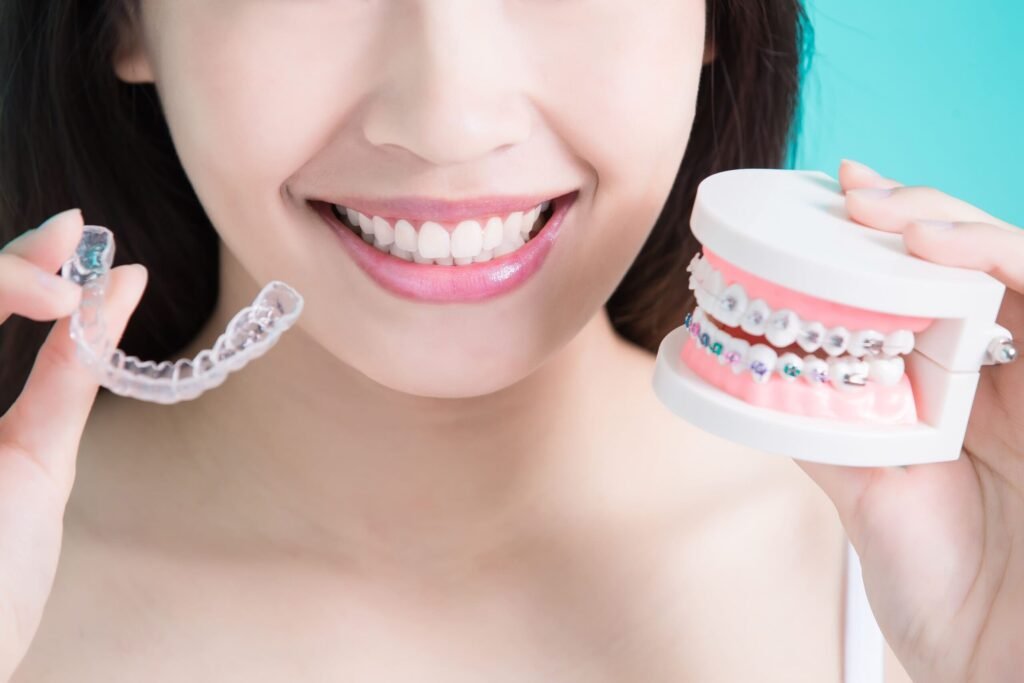
Undergoing medical treatments like chemotherapy can be physically and emotionally challenging. For patients who are considering or already using Invisalign clear aligners, a common concern is whether continuing orthodontic treatment during chemotherapy is safe and advisable.
This article explores the key considerations for wearing Invisalign during chemotherapy and similar medical treatments, helping patients and caregivers make informed decisions in collaboration with healthcare providers.
Understanding Chemotherapy’s Impact on Oral Health
Chemotherapy targets rapidly dividing cancer cells but also affects healthy cells, including those in the mouth. Common oral side effects during chemotherapy include:
- Mucositis: painful inflammation and ulceration of the mucous membranes
- Dry mouth (xerostomia): reduced saliva production leading to discomfort and increased risk of cavities
- Increased susceptibility to infections: due to lowered white blood cell counts and weakened immunity
- Bleeding or swollen gums: caused by thrombocytopenia (low platelet counts) or inflammation
These effects can make oral hygiene more difficult and increase the risk of oral complications.
Considerations for Wearing Invisalign During Chemotherapy
1. Oral Hygiene and Infection Control
- Invisalign aligners must be kept clean to prevent bacterial or fungal growth.
- Chemotherapy patients often have compromised immune systems, so strict oral hygiene is crucial to reduce infection risk.
- If mucositis or sores develop, wearing aligners might irritate sensitive tissues and delay healing.
- Your dental team might recommend temporarily pausing Invisalign use during severe oral symptoms.
2. Dry Mouth and Discomfort
- Reduced saliva flow can cause aligners to feel uncomfortable or cause increased friction against dry, sensitive gums and mucosa.
- Dry mouth also increases the risk of cavities under aligners if oral hygiene is not meticulously maintained.
3. Immune System Considerations
- Patients with neutropenia (low neutrophil count) are at higher risk of oral infections.
- Wearing appliances that may harbor bacteria could pose added risk during periods of immune suppression.
4. Treatment Scheduling and Flexibility
- Chemotherapy treatment schedules can be unpredictable and physically demanding.
- Invisalign’s removable nature allows patients to take out aligners as needed for comfort or medical procedures.
- However, extended periods without aligner wear can slow progress, so balance and coordination with your orthodontist are essential.
Recommendations for Medical Patients Using Invisalign During Chemotherapy
✅ Consult Your Healthcare Team
- Always discuss orthodontic treatment with your oncologist, dentist, and orthodontist before and during chemotherapy.
- Your care team can provide personalized advice based on your treatment plan and oral health status.
✅ Maintain Meticulous Oral Hygiene
- Brush teeth gently but thoroughly after meals and before reinserting aligners.
- Clean aligners daily with recommended solutions to prevent bacterial buildup.
- Use moisturizing gels or saliva substitutes to manage dry mouth symptoms.
✅ Monitor for Oral Side Effects
- Report any mouth sores, bleeding, or unusual pain immediately.
- Temporary discontinuation of aligner wear may be necessary during severe mucositis or infection.
✅ Plan for Flexible Treatment
- Work with your orthodontist to adjust your Invisalign treatment plan based on your health status.
- Consider longer treatment timelines or temporary pauses if medically required.
When to Pause Invisalign Treatment
- Severe mucositis or oral ulcerations causing pain or bleeding
- Active oral infections requiring treatment
- Significant drops in white blood cell or platelet counts increasing infection or bleeding risks
- Any other medical advice from your oncology or dental team
Final Thoughts
Wearing Invisalign during chemotherapy is possible for some patients, but it requires careful coordination and heightened attention to oral health. The priority is always your overall health and safety. Clear communication between your medical and dental providers will help ensure that your orthodontic treatment supports rather than hinders your cancer care.


