
Treatment Overview
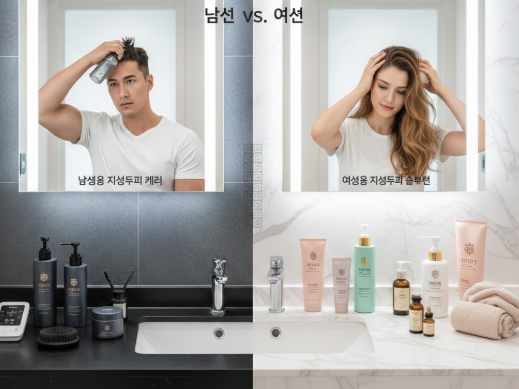
Oily scalp is one of the most common hair concerns among both men and women in Korea. While it may appear similar on the surface, the causes and treatment approaches often differ based on gender. Korean scalp clinics take a highly customized approach to oily scalp management using advanced diagnostics, targeted therapies, and personalized home-care plans. By understanding the key differences between men’s and women’s scalp biology, Korean dermatologists can provide highly effective treatment strategies for long-term oil control and scalp health.
Purpose & Benefits
The primary purpose of oily scalp treatment in Korea is to rebalance sebum production, reduce scalp inflammation, prevent dandruff, and maintain a clean, healthy hair environment. Benefits include:
- Balanced oil levels and fresher-feeling scalp
- Reduced dandruff and yeast buildup
- Less hair fall related to clogged follicles
- Improved scalp circulation
- Enhanced hair strength and volume
- Long-term prevention of greasy scalp
- Customized treatment suited to men and women separately
Korean clinics especially focus on sustainability—improving scalp health from the root to ensure results last.
Ideal Candidates
Men and women are both candidates for oily scalp management, but for slightly different reasons.
Men are ideal candidates if they:
- Experience excess oil within 24 hours of washing
- Have seborrheic dermatitis
- Have thinning hair or clogged pores due to heavy sebum
- Use styling products that worsen oil buildup
- Have hormonal patterns that trigger high sebum production
Women are ideal candidates if they:
- Experience oily scalp but dry or damaged hair lengths
- Have hormonal fluctuations (menstrual cycle, pregnancy, PCOS)
- Suffer from dandruff or itching
- Experience oil rebound from harsh shampoos
- Face stress-related scalp imbalance
Both groups benefit greatly from Korea’s personalized approach.
Possible Risks & Complications
Oily scalp treatments in Korea are generally very safe, but possible mild risks include:
- Temporary redness after scalp scaling
- Dryness if medical shampoos are overused
- Sensitivity if the wrong products are used
- Rare irritation from laser/light therapy
Clinics in Korea minimize complications by adjusting every treatment according to scalp condition and gender-specific needs.
Techniques & Technology Used
Korean scalp clinics use advanced diagnostic tools and non-invasive technologies. Common techniques include:
- Scalp Micro-Camera Analysis: Determines oil levels, follicle blockage, dandruff severity, and inflammation.
- Scalp Scaling Therapy: Removes sebum, dead skin, and buildup.
- Laser or LED Light Therapy: Controls inflammation and normalizes oil production.
- Electroporation or Ultrasound Delivery: Helps absorb oil-control serums.
- Medicated Shampoos: Tailored separately for men and women.
- Steam Therapy: Opens pores and loosens hardened oil plugs.
These treatments are customized based on whether the scalp belongs to a man or a woman, as hormonal and structural differences require different care.
Treatment Process in Korea
The treatment journey usually includes the following steps:
- Comprehensive Scalp Analysis: Identifies the cause of excess oil.
- Deep Cleansing/Scaling: Removes impurities blocking follicles.
- Customized Treatment Session: Laser, LED, serums, cooling therapy, or combined programs.
- Gender-Specific Product Application: Men often receive stronger oil-control serums, while women receive balancing and hydrating formulas.
- Specialist Consultation: Personalized home-care and lifestyle guidance.
Clinics typically recommend 4–10 sessions depending on severity.
Men vs. Women: Key Differences in Oily Scalp
Although both genders struggle with excess oil, the root causes differ significantly.
Men:
- Higher testosterone levels cause more sebum production.
- Follicles are generally larger, leading to more visible grease.
- Men often sweat more, contributing to oily buildup.
- Many men wash hair more frequently, which can trigger rebound oiliness.
- Male haircare habits (gel, wax, pomade) worsen scalp congestion.
Women:
- Sebum fluctuates due to menstrual cycle hormones.
- Women often have oily scalp but dry hair lengths due to styling, coloring, or heat.
- Stress, pregnancy, and PCOS can trigger excess oil.
- Women frequently use moisturizing products, leading to buildup near the scalp.
- Hair washing cycles vary and sometimes extend too long, causing sebum accumulation.
Because of these differences, Korea’s scalp specialists design very specific treatment plans.
Recovery & After-Care
Recovery is simple and requires minimal effort. Men and women both receive tailored advice:
Men’s After-Care:
- Use strong oil-control shampoos with ingredients like salicylic acid or zinc.
- Reduce use of heavy styling products.
- Wash hair regularly but not aggressively.
- Avoid very hot showers that stimulate oil glands.
- Follow recommended product routines consistently.
Women’s After-Care:
- Use balancing shampoos that clean without over-drying.
- Apply conditioner only to mid-lengths and ends—not the scalp.
- Avoid heavy hair masks near the roots.
- Adjust shampoo frequency based on hormonal cycle.
- Reduce stress, which directly increases oil production.
These steps help maintain treatment results for months.
Results & Longevity
Most patients see improvement quickly.
- After 1–2 sessions: Scalp feels fresher, less itchy, and less greasy.
- After 3–5 sessions: Noticeable oil reduction and less dandruff.
- After 6–10 sessions: Long-term rebalancing of the sebaceous glands.
Longevity depends on lifestyle, haircare habits, and hormonal factors, but many enjoy sustained results with periodic maintenance sessions every 1–2 months.
Why Korea Is a Top Destination
Korea is recognized globally for advanced scalp care because of:
- Highly trained scalp specialists
- State-of-the-art scalp cameras and diagnostic systems
- Customized treatment based on gender differences
- Combination therapy approach
- Medical-grade products not available internationally
- Affordable, high-quality procedures for medical tourists
- English-friendly clinics located in major cities
These advantages make Korea one of the best destinations for oily scalp management.
Cost Range
Costs vary depending on the clinic, technology used, and session frequency.
- Scalp Diagnosis: $20–$50
- Scalp Scaling Therapy: $40–$120
- LED/Laser Therapy: $80–$200 per session
- Combination Therapy Packages: $250–$700
Men and women may receive different programs based on individual scalp needs.
Popular Clinics in Korea
- Regen Hair & Scalp Clinic (Seoul)
- MediHair Center (Gangnam)
- Dr. For Hair Lab (Multiple branches)
- Viva Scalp Clinic (Hongdae)
- Moart Scalp Clinic (Busan)
These clinics offer specialized programs tailored separately for men and women.


