
Treatment Overview
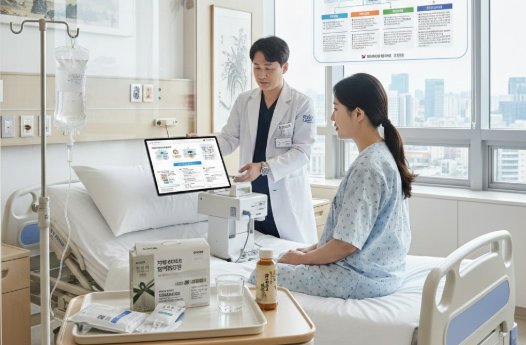
Urinary tract infections (UTIs) are a common complication after surgery, especially procedures involving the urinary tract, prostate, bladder, or gynecological interventions. In Korea, post-surgery UTI management focuses on early detection, rapid treatment, and preventing recurrence. Korean hospitals provide a combination of advanced diagnostic technology, personalized care, and effective infection control strategies to ensure post-operative patients recover safely.
Medical centers in Korea adopt a multidisciplinary approach, involving urologists, nephrologists, and infection specialists, to monitor patients closely and manage both acute and chronic post-surgical UTIs.
Purpose & Benefits
The main purpose of post-surgery UTI management is to:
- Detect infections early to prevent complications
- Control bacterial growth promptly
- Maintain urinary tract health and prevent recurrence
- Support overall post-surgery recovery
Benefits include:
- Reduced risk of kidney infection or sepsis
- Faster post-operative recovery
- Lower hospitalization time
- Personalized antibiotic therapy based on bacterial cultures
- Minimally invasive interventions if complications arise
- Guidance on hygiene and bladder care to prevent reinfection
Ideal Candidates
Post-surgery UTI management is essential for patients who:
- Underwent urological or gynecological surgeries
- Had indwelling catheters during or after surgery
- Experienced recurrent UTIs prior to surgery
- Have weakened immune systems or chronic conditions such as diabetes
- Show early post-operative urinary symptoms like burning, urgency, or blood in urine
- Require preventive strategies to avoid post-surgical infection
Possible Risks & Complications
Post-surgical UTIs, if not managed, can lead to:
- Kidney infection (pyelonephritis)
- Sepsis or systemic infection
- Delayed wound healing or surgical recovery
- Urinary obstruction due to swelling or catheter use
- Chronic infection or recurrent UTI
- Increased hospital stay and healthcare costs
Korean hospitals minimize these risks through proactive monitoring, early intervention, and precise treatment planning.
Techniques & Technology Used
Korean medical centers use advanced diagnostics and treatment methods for post-surgical UTI management:
Diagnostic Tools:
- Urinalysis to detect bacteria, white blood cells, or hematuria
- Urine culture and PCR testing for bacterial identification and antibiotic sensitivity
- Blood tests to monitor infection markers and kidney function
- Ultrasound or CT imaging to assess the urinary tract and detect complications
- Cystoscopy for persistent or complicated cases
Treatment Approaches:
- Targeted antibiotics based on culture and sensitivity
- Intravenous antibiotics for severe infections
- Hydration therapy to flush the urinary tract
- Catheter care and removal guidance
- Minimally invasive interventions to resolve obstructions or stones
- Preventive strategies for high-risk patients, including lifestyle guidance and probiotics
Treatment Process in Korea
Post-surgery UTI management in Korea follows a systematic approach:
- Immediate Post-Surgical Monitoring – Patients are assessed for early signs of UTI during hospital stay.
- Sample Collection & Testing – Urine and blood tests are conducted to identify infection.
- Diagnosis & Antibiotic Selection – Based on culture and PCR results, tailored antibiotics are prescribed.
- Procedural Intervention (if needed) – Imaging-guided procedures are performed for obstruction, stones, or severe infection.
- Hospital Care & Monitoring – Patients receive continuous care until infection is controlled.
- Discharge & Follow-Up – Patients are advised on preventive measures, oral antibiotics, and scheduled follow-up tests.
Recovery & After-Care
Recovery depends on the severity of infection and type of surgery. Most post-surgical UTIs improve within 3–7 days with proper treatment.
After-care includes:
- Completing prescribed antibiotic courses fully
- Maintaining hydration and urinary hygiene
- Monitoring for recurrence or unusual symptoms
- Following catheter care instructions if applicable
- Attending follow-up urine tests and imaging
- Adjusting lifestyle and diet to support urinary tract health
Korean hospitals provide detailed guidance for patients to ensure safe recovery and reduce recurrence risk.
Results & Longevity
With prompt post-surgical UTI management in Korea, patients can expect:
- Rapid symptom relief and infection control
- Prevention of kidney damage or chronic UTI
- Reduced post-operative complications
- Shorter hospital stays and quicker return to normal activities
- Long-term urinary health through follow-up care and preventive strategies
Why Korea Is a Top Destination
Korea is a leading destination for post-surgery UTI management due to:
- Highly skilled urologists, nephrologists, and infection specialists
- Advanced diagnostic and imaging technologies
- Efficient emergency and post-surgical monitoring systems
- Personalized and evidence-based treatment plans
- Minimally invasive interventions with fast recovery
- International patient support and English-speaking staff
- Affordable costs and transparent medical pricing
Cost Range
The cost of post-surgery UTI management in Korea depends on diagnostic tests, treatment methods, and hospital stay:
- Consultation & post-surgical evaluation: $30–$70
- Urinalysis & urine culture: $20–$50
- PCR bacterial testing: $30–$90
- Blood tests: $20–$60
- Imaging (ultrasound or CT): $100–$250
- Intravenous antibiotics: $60–$150 per session
- Hospitalization: $150–$300 per day
- Minimally invasive procedures (if required): $1,500–$4,000
Popular Clinics in Korea
- Seoul National University Hospital – Urology & Post-Surgical Care
- Samsung Medical Center – Infection & Urology Unit
- Asan Medical Center – Post-Operative UTI Program
- Yonsei Severance Hospital – International Urology & Infection Services
- Wooridul Urology Clinic – Post-Surgery UTI Management
- Bumin Hospital – Urology & Post-Surgical Care
These hospitals are internationally recognized for their expertise, technology, and patient-centered post-operative care.


