
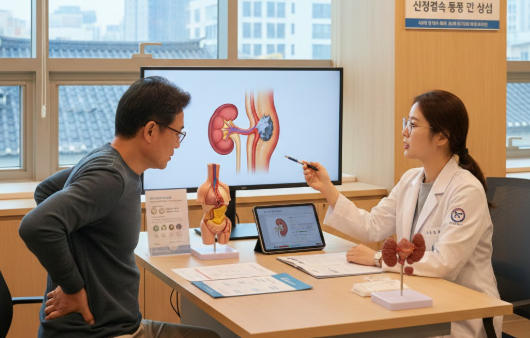
Treatment Overview
Kidney stones often cause severe flank or abdominal pain, making effective pain management an essential part of care. Pain can be sudden and intense due to urinary tract obstruction, spasms, or infection.
Korea provides specialized pain management consultations for kidney stone patients, combining rapid diagnostic assessment, medication, minimally invasive interventions, and expert urologist guidance to ensure immediate relief and long-term comfort.
Purpose & Benefits
The main purpose of a pain management consultation is to relieve discomfort, prevent complications, and improve quality of life. Benefits include:
- Rapid pain relief through medications or procedures
- Accurate diagnosis of stone location and severity
- Minimization of urinary obstruction-related complications
- Tailored treatment plans combining stone removal and pain control
- Comprehensive care for international patients, including language support and follow-up planning
Ideal Candidates
Pain management consultation is recommended for patients who:
- Experience acute or chronic flank, back, or abdominal pain due to kidney stones
- Have nausea, vomiting, or difficulty urinating
- Show blood in urine (hematuria) or other urinary symptoms
- Require guidance on safe and effective pain control strategies
- Need pre- or post-procedure pain management support
Possible Risks & Complications
Without proper pain management, kidney stone patients may face:
- Prolonged pain and decreased quality of life
- Increased risk of urinary tract obstruction complications
- Anxiety, sleep disturbances, or reduced daily functioning
Pain management procedures and medications in Korea are generally safe. Potential risks include:
- Mild side effects from medications (nausea, drowsiness)
- Temporary discomfort during procedures
- Rare allergic reactions to prescribed medications
Proper consultation ensures safe, effective relief with minimal complications.
Techniques & Technology Used
Korean hospitals employ a combination of diagnostic and therapeutic techniques for kidney stone pain management:
Pain Assessment and Consultation – Expert urologists evaluate pain intensity, triggers, and frequency.
Medication Management – Analgesics, anti-spasmodics, and anti-inflammatory drugs to relieve pain.
Ultrasound or CT Imaging – Identifies stone location, obstruction, and severity to guide targeted pain relief.
Minimally Invasive Procedures – Ureteroscopy or laser lithotripsy may be recommended to relieve obstruction and reduce pain.
Integrated Pain Management Plan – Combines medications, interventions, and follow-up for comprehensive relief.
These technologies and strategies ensure precise, rapid pain control while addressing the underlying cause.
Treatment Process in Korea
The consultation and management process includes:
- Initial Assessment
Specialists review symptoms, medical history, and prior imaging or lab results. - Pain Evaluation
Pain intensity, duration, and impact on daily activities are assessed to guide treatment. - Diagnostic Imaging
Ultrasound, CT, or X-ray determines stone location and urinary tract obstruction contributing to pain. - Treatment Planning
Depending on findings, options may include:- Medications for immediate pain relief and anti-spasmodic therapy
- Hydration and dietary recommendations to facilitate stone passage
- Minimally invasive procedures to relieve obstruction and prevent recurrent pain
- Long-term preventive strategies to minimize future kidney stone pain
- Follow-Up & Monitoring
Continuous monitoring ensures pain relief, stone passage, and prevention of recurrent discomfort.
Recovery & After-Care
Recovery and after-care depend on the treatment method:
- Medication-Based Pain Relief: Immediate improvement, normal activities resumed quickly
- Minimally Invasive Procedures: 1–3 days, mild urinary discomfort may occur
- Surgical Interventions: 1–2 weeks depending on procedure complexity
After-care includes:
- Completing prescribed medications
- Adequate hydration to facilitate stone passage
- Monitoring urine output and pain levels
- Attending follow-up consultations to prevent recurrence
Korean hospitals provide detailed after-care guidance, particularly for international patients.
Results & Longevity
Effective pain management consultation leads to:
- Immediate and long-term relief from kidney stone pain
- Accurate identification and treatment of stones causing discomfort
- Prevention of complications like obstruction or infection
- Improved quality of life and daily functioning
- Strategies to reduce recurrence of stone-related pain
Korea’s advanced diagnostic tools and experienced urologists ensure reliable, lasting results.
Why Korea Is a Top Destination
Korea is a leading destination for kidney stone pain management because of:
- Expert urologists specializing in stone-related pain
- Advanced imaging and minimally invasive treatment options
- Rapid, precise diagnosis and targeted pain relief
- Integrated care combining medication, procedures, and follow-up
- Support for international patients, including scheduling and translation services
- Transparent pricing and internationally accredited hospitals
These factors make Korea ideal for safe, effective, and patient-focused pain management.
Cost Range
Estimated costs for kidney stone pain management consultation in Korea:
- Consultation: $20–$50
- Medication Management: $20–$100
- Ultrasound Imaging: $50–$120
- X-Ray (KUB): $50–$100
- CT / CT Urography: $250–$700
- Minimally Invasive Procedures: $500–$1,500
- Surgical Interventions: $1,500–$3,000
Costs vary depending on hospital, treatment complexity, and diagnostic tools used.
Popular Clinics in Korea
Top hospitals providing kidney stone pain management consultations include:
- Seoul National University Hospital
- Asan Medical Center
- Samsung Medical Center
- Severance Hospital (Yonsei University)
- CHA Bundang Medical Center
- Wooridul Urology Clinic
These hospitals are recognized for precise diagnostics, expert pain management, and comprehensive follow-up care for both local and international patients.


