
Treatment Overview
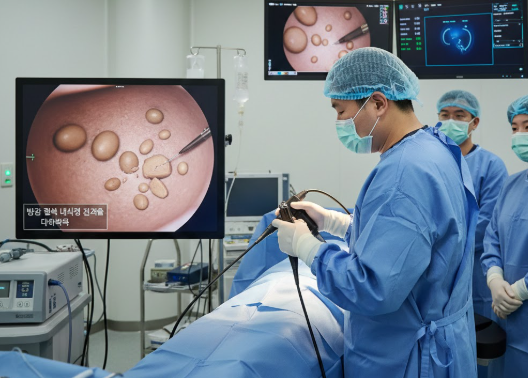
Bladder stones are hard mineral deposits that form inside the bladder, often causing pain, frequent urination, blood in urine, and recurrent infections. Endourology techniques offer a minimally invasive approach to remove bladder stones with precision and minimal discomfort.
In Korea, endourology has become the standard for bladder stone management due to advanced technology, highly skilled urologists, and a patient-centered approach. These techniques allow for faster recovery, reduced risk of complications, and effective stone clearance.
Purpose & Benefits
The purpose of using endourology for bladder stone removal is to provide a safe, minimally invasive solution that effectively clears stones while minimizing trauma to the bladder. Benefits include:
- Minimally invasive procedures with no large incisions
- High success rates in removing both small and large stones
- Shorter hospital stays and faster recovery compared to open surgery
- Reduced post-operative pain and discomfort
- Precise stone removal using advanced imaging and instruments
- Lower complication risk, especially for elderly or high-risk patients
Korea’s focus on endourology ensures patients experience a comfortable and efficient treatment process.
Ideal Candidates
Endourology techniques are suitable for patients who:
- Have bladder stones that cannot pass naturally
- Experience urinary pain, frequency, or blockage
- Suffer from recurrent urinary tract infections due to stones
- Prefer minimally invasive options over traditional surgery
- Are elderly or have comorbidities that increase surgical risk
Doctors in Korea perform thorough evaluations to ensure the chosen endourology technique is the safest and most effective for each patient.
Possible Risks & Complications
Although endourology is highly safe, some potential risks include:
- Temporary blood in the urine
- Mild bladder spasms or irritation
- Incomplete stone removal requiring follow-up procedures
- Infection, which can be managed with antibiotics
- Rare anesthesia-related complications for sensitive patients
Korean hospitals are equipped with advanced monitoring systems to minimize risks and provide immediate care if complications occur.
Techniques & Technology Used
Endourology involves the use of specialized instruments inserted through the urethra to access and remove bladder stones. Key techniques used in Korea include:
Cystolitholapaxy
This procedure uses a small endoscopic device to break up and remove bladder stones directly through the urethra. It is effective for medium to large stones.
Laser Lithotripsy (Holmium Laser)
A high-precision laser is used to fragment stones into smaller pieces, which are then flushed out naturally. This method is minimally invasive and suitable for hard or multiple stones.
Digital Imaging & Endoscopic Guidance
High-definition cameras and imaging technologies allow urologists to visualize the bladder in real time, ensuring accurate and safe stone removal.
Flexible Endoscopy
Flexible scopes can navigate complex bladder structures and are especially useful for elderly patients or those with anatomical variations.
Treatment Process in Korea
The process of bladder stone removal using endourology in Korea is structured for efficiency and patient comfort:
- Initial Consultation & Diagnostics
- Includes urine analysis, CT scans, ultrasound, and blood tests to assess stone size, number, and bladder health.
- Treatment Planning
- Doctors determine the appropriate endourology technique based on stone characteristics and patient condition.
- Procedure Day
- Conducted under local or general anesthesia, the procedure typically lasts 30–60 minutes.
- Stones are fragmented and removed using cystolitholapaxy or laser lithotripsy.
- Post-Procedure Monitoring
- Patients are observed for a few hours to ensure proper recovery and check for complications.
- Discharge & Follow-Up
- Most patients are discharged the same day; follow-up includes imaging and urine tests to confirm stone clearance.
- International patients receive guidance for continued care after returning home.
Recovery & After-Care
Recovery following endourology procedures in Korea is generally smooth and fast:
- Drink plenty of water to help flush out remaining stone fragments
- Take prescribed antibiotics and pain relievers
- Avoid heavy physical activity for 1–2 weeks
- Follow dietary recommendations to prevent recurrence
- Monitor for any unusual symptoms such as fever, severe pain, or persistent bleeding
- Attend scheduled follow-up appointments for imaging and urinary assessment
Most patients fully recover within 3–7 days, depending on stone size and procedure type.
Results & Longevity
Endourology techniques provide excellent outcomes for bladder stone patients:
- High stone-free success rate, often after a single procedure
- Reduced urinary symptoms such as pain, frequency, and blockage
- Lower risk of infection and complications due to minimally invasive approach
- Long-term results with proper hydration, diet, and follow-up
Korean doctors also provide preventive advice to reduce future stone formation.
Why Korea Is a Top Destination
Korea is recognized globally for advanced urology care due to:
- World-class hospitals with specialized endourology departments
- Highly trained urologists experienced in minimally invasive techniques
- Efficient, patient-centered treatment process
- Affordable and transparent medical costs for international patients
- Comprehensive support for medical tourists, including translators, transport, and post-treatment care
These factors make Korea an ideal destination for safe, effective bladder stone removal.
Cost Range
The cost of bladder stone removal using endourology techniques in Korea varies depending on the procedure:
- Laser lithotripsy: USD 3,000 – 5,000
- Cystolitholapaxy: USD 3,500 – 6,000
- Diagnostics & follow-up: USD 150 – 350
International packages often include consultation, procedure, hospitalization (if needed), and follow-up care.
Popular Clinics in Korea
Top hospitals and clinics providing endourology bladder stone removal include:
- Seoul National University Hospital (SNUH)
- Samsung Medical Center, Seoul
- Asan Medical Center, Seoul
- Severance Hospital (Yonsei University)
- St. Mary’s Hospital, Seoul
- Specialized Urology Clinics in Gangnam, Seoul
These hospitals are known for advanced technology, experienced urologists, and dedicated international patient services.


