
Treatment Overview
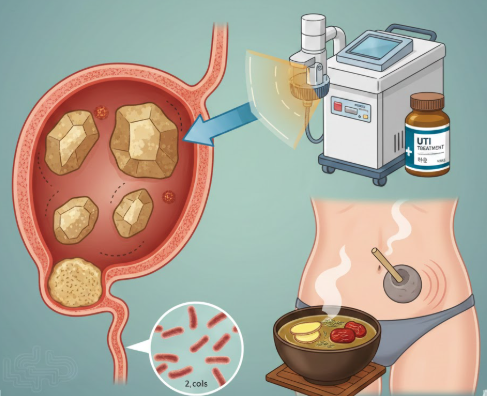
Bladder stones and urinary tract infections (UTIs) are two common yet serious urological conditions that can significantly affect a patient’s quality of life. Bladder stones form when minerals in the urine crystallize and collect in the bladder, often due to incomplete bladder emptying or chronic urinary retention. UTIs occur when bacteria enter the urinary tract, leading to symptoms such as burning urination, pain, fever, and urgency.
In many cases, bladder stones and UTIs are interconnected—stones can block the urinary tract and cause infections, while recurrent UTIs may contribute to stone formation.
Korea has become a top destination for advanced diagnosis and treatment of bladder stones and UTIs due to its use of modern imaging tools, minimally invasive surgical technologies, and comprehensive medical care systems designed for international patients.
Purpose & Benefits
The main purpose of treating bladder stones and UTIs together is to eliminate the underlying cause and prevent recurrence. Korean hospitals use a combination of medication, minimally invasive procedures, and preventive care to ensure long-term urinary health.
Key benefits of receiving treatment in Korea include:
- High diagnostic accuracy using CT scans, ultrasound, and urine culture tests.
- Minimally invasive treatments such as laser lithotripsy and ESWL for bladder stones.
- Fast and effective UTI management with targeted antibiotics.
- Prevention-focused care to avoid repeated infections or stone formation.
- Short recovery time and reduced discomfort due to advanced technology.
Korea’s streamlined medical system ensures optimized care for both local and international patients.
Ideal Candidates
This treatment approach is ideal for patients who experience:
- Recurrent urinary tract infections
- Painful or difficult urination
- Blood in the urine
- Lower abdominal pain
- Incomplete bladder emptying
- History of bladder stones or kidney stones
- Signs of infection such as fever, chills, or foul-smelling urine
Individuals who have a combination of UTIs and bladder stones benefit the most from a dual-treatment approach, as both conditions must be addressed to prevent recurrence.
Possible Risks & Complications
Treatments for bladder stones and UTIs are generally safe; however, potential risks may include:
- Incomplete stone fragmentation, requiring additional procedures
- Temporary blood in urine after stone removal
- Mild pain or discomfort during recovery
- Antibiotic resistance if UTIs are not properly managed
- Urinary retention in severe cases
- Reinfection if underlying causes are not treated
Korean urologists conduct thorough evaluations to minimize risks and create personalized treatment plans to ensure effective outcomes.
Techniques & Technology Used
Korea is recognized worldwide for its advanced urology technology. Depending on the severity of the condition, treatments may include:
Shock Wave Lithotripsy (ESWL)
A non-invasive procedure that uses shock waves to break bladder stones into small fragments that naturally exit the body through urine.
Laser Lithotripsy (Holmium Laser)
A minimally invasive technique performed using a cystoscope and a precision laser to break stones into tiny particles.
Antibiotic Therapy for UTIs
Doctors conduct urine cultures to identify the exact bacteria causing the infection. Tailored antibiotics ensure effective eradication of the infection.
Cystoscopy
A diagnostic and therapeutic tool used to examine the bladder and remove small stones or address structural problems that contribute to UTIs.
Advanced Imaging
CT scans, ultrasounds, and digital X-rays are used to evaluate stone size, infection spread, and bladder health.
Korean hospitals combine these technologies to treat bladder stones and UTIs simultaneously.
Treatment Process in Korea
The treatment journey in Korea is highly organized, especially for international patients. The process typically involves:
- Initial Consultation & Diagnostic Tests
The urologist evaluates symptoms and performs imaging tests, urine analysis, and culture tests. - Treatment Planning
Based on the diagnosis, the doctor creates a dual-approach plan addressing both bladder stones and UTIs. - UTI Treatment
Antibiotics are prescribed first to reduce infection and inflammation. - Bladder Stone Removal
Once the infection is controlled, procedures like ESWL or laser lithotripsy are scheduled to remove the stones. - Follow-up Monitoring
Patients undergo follow-up scans and urine tests to confirm stone clearance and infection resolution. - Prevention Counseling
Korean doctors provide personalized prevention strategies to reduce the risk of future UTIs or stones.
International clinics offer translators, care coordinators, and fast-track appointments to ensure a smooth experience.
Recovery & After-Care
Recovery from bladder stone treatment and UTIs is typically quick, thanks to Korea’s minimally invasive techniques and accurate antibiotic care. After-care recommendations include:
- Drinking plenty of water to help flush out remaining fragments
- Taking prescribed antibiotics and pain relievers
- Avoiding heavy physical activities for a few days
- Regulating diet to prevent stone recurrence
- Maintaining proper toilet habits to avoid future UTIs
Most patients start feeling better within 2–5 days, depending on the treatment.
Results & Longevity
Korea’s approach delivers long-lasting results because it treats both stones and infections simultaneously. Outcomes include:
- High success rate in removing bladder stones
- Complete infection clearance with targeted antibiotics
- Reduced chances of recurrence with preventive care
- Improved urinary function and comfort
With proper follow-up and lifestyle adjustments, many patients remain free from UTIs and bladder stones for years.
Why Korea Is a Top Destination
Korea is one of the most preferred countries for urological treatment due to:
- World-class technology including holmium lasers, 3D imaging, and digital cystoscopy
- Highly trained urologists with global medical expertise
- Efficient hospital processes ensuring minimal wait time
- Affordable medical costs compared to the US, Canada, and Europe
- Strong support for international patients, including translation and travel assistance
Medical tourists trust Korea for safe, reliable, and high-quality care.
Cost Range
The cost of combined bladder stone and UTI treatment in Korea varies depending on the condition’s severity and treatment type:
- Diagnostic tests: $150 – $300
- Antibiotic treatment: $50 – $150
- ESWL (shock wave lithotripsy): $2,000 – $3,500
- Laser lithotripsy: $3,000 – $5,000
Total estimated cost: $2,500 – $6,000, depending on tests, treatment complexity, and clinic selection.
Popular Clinics in Korea
Leading hospitals and clinics offering bladder stone and UTI treatment include:
- Seoul National University Hospital
- Samsung Medical Center
- Asan Medical Center
- Severance Hospital (Yonsei University)
- Seoul Urology Group Clinics
- St. Mary’s Hospital (Catholic University of Korea)
These centers are known for advanced urology departments and excellent international patient support.


