
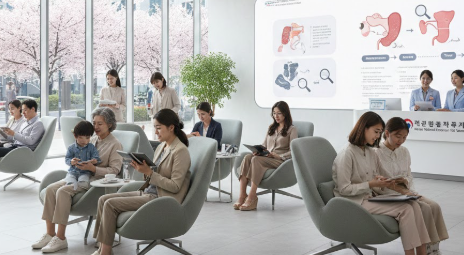
Treatment Overview
Screening and early detection are critical for preventing, diagnosing, and managing urinary, bladder, and urological conditions before they progress to severe stages. Korea is recognized globally for its advanced medical screening programs that combine cutting-edge diagnostics, preventive healthcare strategies, and personalized care for both domestic and international patients.
Early detection allows healthcare providers to identify diseases such as interstitial cystitis (IC), overactive bladder (OAB), urinary tract infections (UTIs), bladder stones, and even early-stage cancers, facilitating timely intervention and improved outcomes.
Purpose & Benefits
The purpose of screening and early detection programs in Korea is to:
- Identify bladder, kidney, or urinary tract abnormalities before they cause severe symptoms.
- Detect early signs of chronic conditions such as OAB, IC, or urinary incontinence.
- Minimize complications through timely treatment and intervention.
- Promote preventive healthcare and long-term bladder health.
Benefits include improved treatment outcomes, reduced healthcare costs, enhanced quality of life, and decreased risk of disease progression.
Ideal Candidates
Screening and early detection programs in Korea are suitable for:
- Adults and children at risk of urinary or bladder disorders.
- Individuals with family history of urological conditions.
- Patients with early or mild symptoms, such as frequent urination, urgency, or mild bladder discomfort.
- International patients seeking comprehensive diagnostic evaluation before traveling for treatment.
- Patients undergoing routine health checks or preventive screening for general wellness.
Programs are tailored to individual risk factors, age, and medical history for maximum effectiveness.
Possible Risks & Complications
Screening procedures are generally safe, but minor risks may include:
- Urinalysis or urine culture: Minimal discomfort during sample collection.
- Imaging (Ultrasound, CT, MRI): Rare allergic reactions to contrast agents.
- Cystoscopy: Temporary discomfort, mild urgency, or minor bleeding.
- Blood Tests: Minor bruising at the puncture site.
Korean clinics ensure safe and hygienic procedures, with trained staff and professional monitoring during all screenings.
Techniques & Technology Used
Korea employs advanced technology for accurate and comprehensive screening:
- Urinalysis and Urine Culture: Detect infections, hematuria, or early signs of bladder disease.
- Cystoscopy: Visual examination of the bladder lining to identify inflammation, lesions, or early tumors.
- Imaging Studies: Ultrasound, CT, and MRI scans detect structural abnormalities, stones, or tumors.
- Blood Tests and Biomarkers: Identify kidney function issues, infection, or inflammation.
- Urodynamic Studies: Assess bladder function and early signs of OAB or IC.
- Preventive Health Programs: Comprehensive check-ups combining laboratory, imaging, and functional assessments.
- Telemedicine Pre-Consultation: For international patients, initial assessment and risk evaluation before arrival.
These methods ensure early, precise detection and accurate assessment of bladder and urinary health.
Treatment Process in Korea
The screening and early detection process for patients in Korea includes:
- Initial Consultation: Review of medical history, lifestyle, and risk factors.
- Preliminary Testing: Urine and blood tests, symptom assessment, and risk evaluation.
- Diagnostic Evaluation: Imaging, cystoscopy, and urodynamic studies as needed.
- Comprehensive Assessment: Analysis of test results to detect abnormalities or early-stage conditions.
- Personalized Recommendations: Preventive care strategies, follow-up plans, or treatment if necessary.
- Follow-Up and Monitoring: Continuous evaluation for early signs of progression or recurrence.
International patients receive coordinated care, teleconsultation, and personalized scheduling for efficient early detection.
Recovery & After-Care
Since most screening procedures are non-invasive or minimally invasive, recovery is typically quick:
- Mild discomfort may occur after cystoscopy or urodynamic studies, but this resolves within hours.
- Hydration and normal activity are generally encouraged post-screening.
- Follow-up consultations ensure that patients understand results and next steps, including lifestyle recommendations, preventive measures, or treatment initiation.
Proper after-care ensures continued bladder health and timely intervention if abnormalities are detected.
Results & Longevity
Screening and early detection in Korea provide:
- Early identification of urinary, bladder, and kidney conditions.
- Opportunities for timely intervention and non-invasive treatment options.
- Prevention of disease progression, reducing the risk of severe complications.
- Enhanced long-term bladder and urinary health.
- Peace of mind for international patients through professional evaluation and follow-up.
Regular screening contributes to long-term wellness and improved quality of life.
Why Korea Is a Top Destination
Korea is recognized for its screening and early detection services due to:
- Advanced Technology: State-of-the-art imaging, laboratory, and cystoscopic equipment.
- Specialized Medical Centers: Hospitals with urology and preventive healthcare expertise.
- International Patient Support: English-speaking staff, teleconsultation, and medical tourism coordination.
- Comprehensive Programs: Integration of laboratory tests, imaging, and functional assessments for complete evaluation.
- Patient-Centered Care: Personalized screening plans based on age, risk factors, and medical history.
International patients benefit from efficient, accurate, and reliable early detection services, enabling timely treatment and preventive care.
Cost Range
The cost of screening and early detection services in Korea varies depending on procedures:
- Initial consultation: $100 – $250
- Urinalysis and urine culture: $30 – $80
- Imaging studies (Ultrasound, CT, MRI): $150 – $500
- Cystoscopy: $300 – $600
- Urodynamic studies: $200 – $500
- Comprehensive screening packages: $500 – $2,500
- Teleconsultation services: $50 – $150
Transparent pricing and package options allow international patients to plan their preventive and diagnostic care effectively.
Popular Clinics in Korea
Top hospitals and clinics for screening and early detection include:
- Samsung Medical Center, Seoul
- Asan Medical Center, Seoul
- Severance Hospital (Yonsei University), Seoul
- Seoul National University Hospital, Seoul
- CHA Bundang Medical Center, Seongnam
These centers provide expert evaluation, cutting-edge diagnostic technology, and comprehensive support for both local and international patients.


