
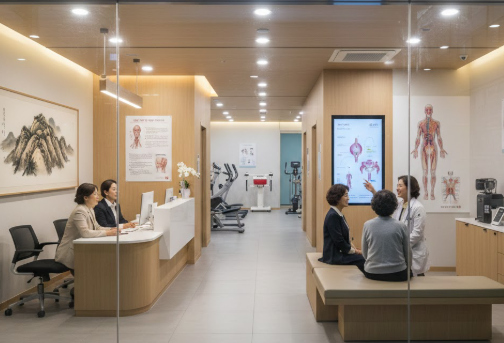
Treatment Overview
Chronic pain, including bladder pain, pelvic pain, and musculoskeletal discomfort, significantly impacts quality of life. Managing persistent pain requires a comprehensive and multidisciplinary approach.
Korea offers specialized chronic pain management clinics that cater to both domestic and international patients. These clinics provide advanced diagnostic evaluation, personalized treatment plans, minimally invasive procedures, medication management, and rehabilitation programs designed to relieve pain and restore daily function.
Purpose & Benefits
The purpose of chronic pain management clinics is to:
- Alleviate persistent pain caused by bladder conditions, musculoskeletal disorders, or nerve dysfunction.
- Improve physical function and mobility.
- Enhance mental well-being by reducing pain-related stress and anxiety.
- Prevent complications from untreated chronic pain, including sleep disturbances and social withdrawal.
- Provide personalized care plans combining medical, interventional, and rehabilitative approaches.
Benefits include enhanced quality of life, better sleep, improved mobility, and reduced dependency on medications.
Ideal Candidates
Chronic pain management clinics are suitable for:
- Adults experiencing persistent or recurrent pain lasting more than three months.
- Patients with interstitial cystitis, overactive bladder, pelvic pain syndrome, or post-surgical pain.
- Individuals whose symptoms have not responded adequately to conventional therapy.
- International patients seeking expert care, minimally invasive procedures, and structured rehabilitation programs.
- Patients requiring a multidisciplinary treatment approach, including medication, physical therapy, and lifestyle management.
Candidates are carefully evaluated to determine the most effective treatment strategy.
Possible Risks & Complications
Chronic pain management is generally safe, but risks depend on the interventions:
- Medication Therapy: Potential side effects include dizziness, gastrointestinal discomfort, or sedation.
- Minimally Invasive Procedures: Temporary soreness, bruising, or mild infection. Rare complications include nerve injury or bleeding.
- Physical Therapy & Rehabilitation: Minor muscle soreness during initial sessions.
- Psychological Interventions: Rare emotional discomfort during counseling or therapy sessions.
Korean clinics ensure patient safety through careful monitoring, expert guidance, and individualized treatment planning.
Techniques & Technology Used
Chronic pain management clinics in Korea use a wide range of advanced techniques:
- Medication Management: NSAIDs, analgesics, nerve pain modulators, or bladder-specific medications.
- Minimally Invasive Interventions:
- Nerve blocks and trigger point injections.
- Botox injections for pelvic or bladder muscle pain.
- Hydrodistention for bladder pain syndrome.
- Physical Therapy: Pelvic floor rehabilitation, posture correction, and core strengthening exercises.
- Behavioral & Psychological Therapy: Cognitive behavioral therapy (CBT), stress management, and coping strategies.
- Integrative Approaches: Acupuncture, heat therapy, and lifestyle guidance to complement conventional care.
- Advanced Diagnostics: Imaging, urodynamic studies, and lab tests to guide precise interventions.
This multidisciplinary approach ensures effective pain relief and long-term improvement.
Treatment Process in Korea
The typical process at chronic pain management clinics includes:
- Initial Consultation: Detailed assessment of pain history, symptom patterns, and previous treatments.
- Diagnostic Evaluation: Imaging, lab tests, and functional assessments to identify the cause of pain.
- Personalized Care Plan: Combination of medication, minimally invasive procedures, physical therapy, and counseling.
- Implementation of Therapy: Administer interventions, therapy sessions, and medication adjustments under supervision.
- Monitoring & Follow-Up: Regular evaluation to track progress, adjust treatment, and prevent flare-ups.
- Long-Term Management: Education on lifestyle changes, pain coping strategies, and preventive measures.
This structured process ensures maximum efficacy and patient safety.
Recovery & After-Care
Recovery depends on the intervention type:
- Medication Therapy: Minimal recovery time; side effects monitored regularly.
- Minimally Invasive Procedures: Mild soreness or temporary discomfort may occur; most patients resume normal activity within a few days.
- Physical Therapy & Rehabilitation: Gradual improvement with consistent practice; pain relief increases over weeks.
- Psychological Support: Patients gradually learn coping strategies and stress management techniques.
After-care ensures sustained pain relief, prevention of recurrence, and improved quality of life.
Results & Longevity
Patients attending chronic pain management clinics in Korea often experience:
- Significant reduction in chronic bladder, pelvic, or musculoskeletal pain.
- Improved physical function, mobility, and daily activity performance.
- Enhanced mental well-being, reduced stress, and improved sleep.
- Long-term pain control with multidisciplinary therapy and lifestyle adjustments.
- Decreased dependency on systemic medications or surgical interventions.
Consistent follow-up and adherence to therapy contribute to long-lasting improvement and better quality of life.
Why Korea Is a Top Destination
Korea is a preferred destination for chronic pain management due to:
- Expert Pain Specialists: Clinics staffed with highly experienced urologists, physiatrists, and pain management specialists.
- Advanced Technology: Modern imaging, injection, and monitoring equipment for precise interventions.
- Multidisciplinary Approach: Integration of medical, psychological, and physical therapies.
- International Patient Support: English-speaking coordinators, teleconsultation, and tailored medical tourism services.
- Patient-Centered Programs: Customized treatment plans based on pain type, severity, and individual patient needs.
International patients benefit from safe, expert, and holistic pain management solutions.
Cost Range
The cost of chronic pain management in Korea varies depending on interventions:
- Initial consultation: $100 – $250
- Diagnostic evaluation: $200 – $700
- Medication therapy: $50 – $150 per month
- Minimally invasive procedures: $800 – $2,500 per session
- Physical therapy & rehabilitation sessions: $50 – $150 per session
- Integrative therapy (acupuncture, lifestyle counseling): $50 – $150 per session
- Comprehensive care packages including follow-up and telemedicine: $500 – $3,000
Transparent pricing and structured packages allow international patients to plan treatment efficiently.
Popular Clinics in Korea
Top chronic pain management clinics include:
- Samsung Medical Center Pain Clinic, Seoul
- Asan Medical Center Pain Management Center, Seoul
- Severance Hospital Pain Clinic (Yonsei University), Seoul
- Seoul National University Hospital Pain Management, Seoul
- CHA Bundang Medical Center Pain Clinic, Seongnam
These centers provide expert evaluation, advanced treatment, and comprehensive after-care for both local and international patients.


