
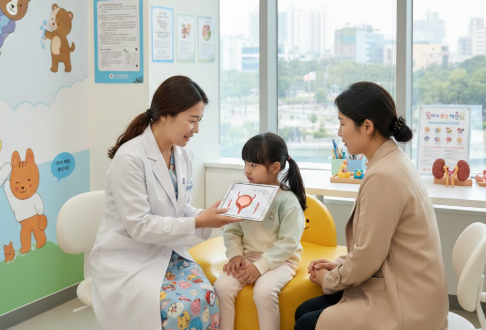
Treatment Overview
Overactive bladder (OAB) in children is a condition characterized by frequent urination, urgency, daytime incontinence, and sometimes nighttime wetting (nocturnal enuresis). Pediatric OAB can significantly impact a child’s daily life, school performance, and social confidence. In Korea, pediatric OAB consultation and care combine advanced diagnostic tools with child-friendly evaluation and treatment methods. Expert pediatric urologists provide comprehensive, individualized management plans to address symptoms safely and effectively.
Purpose & Benefits
The primary purpose of pediatric OAB consultation is to identify the underlying causes, assess the severity of symptoms, and develop a tailored treatment plan that improves bladder control and quality of life.
Key benefits of pediatric OAB consultation in Korea include:
- Accurate diagnosis using advanced pediatric-friendly diagnostic tools.
- Personalized treatment plans combining behavioral therapy, pelvic floor exercises, and medication if needed.
- Early intervention to prevent long-term complications such as urinary tract infections or social anxiety.
- Child-centered care ensuring comfort and minimizing stress during evaluation.
- Guidance for parents on lifestyle modifications, bladder training, and dietary considerations.
Korean hospitals focus on integrating medical expertise with compassionate pediatric care for optimal results.
Ideal Candidates
Pediatric OAB consultation is recommended for children who:
- Experience frequent daytime urination (more than 8 times per day).
- Have sudden urgency leading to daytime incontinence.
- Suffer from nocturnal enuresis (bedwetting) after age 5.
- Have tried lifestyle adjustments without improvement.
- Show signs of urinary tract infections, constipation, or behavioral issues related to bladder control.
Both boys and girls of school age can benefit, and early evaluation ensures timely management and improved long-term outcomes.
Possible Risks & Complications
Pediatric OAB consultation and management are generally safe, with minimal risks:
- Temporary discomfort during urodynamic testing or ultrasound.
- Mild urinary tract irritation following certain diagnostic procedures.
- Rare allergic reactions if medications are prescribed.
- Stress or anxiety in children during clinical procedures (mitigated by child-friendly approaches).
Korean pediatric urology clinics minimize risks by using specialized pediatric equipment, sterile techniques, and trained staff to ensure a comfortable experience.
Techniques & Technology Used
Korean hospitals use advanced techniques and child-friendly technology for pediatric OAB consultation:
- Medical History & Symptom Assessment: Detailed interviews with parents and bladder diaries for children.
- Urinalysis & Blood Tests: Screening for infections, kidney function, and other contributing factors.
- Urodynamic Studies: Non-invasive or minimally invasive assessment of bladder pressure and function.
- Bladder Ultrasound: Safe, painless imaging to assess residual urine and bladder anatomy.
- Behavioral Therapy: Structured bladder training, scheduled voiding, and fluid management.
- Pelvic Floor Exercises: Age-appropriate exercises to strengthen bladder-supporting muscles.
- Medication Therapy: Prescribed only if necessary, with careful monitoring for side effects.
- Parental Education & Support: Guidance on diet, hydration, and strategies to encourage adherence to therapy.
These tools allow precise assessment and effective management while maintaining a supportive environment for children.
Treatment Process in Korea
The pediatric OAB evaluation and management process in Korea is structured and child-friendly:
- Initial Consultation: Discuss symptoms, medical history, and lifestyle habits with parents and child.
- Diagnostic Testing: Urinalysis, bladder diaries, ultrasound, and urodynamic studies if needed.
- Individualized Treatment Plan: Behavioral therapy, pelvic floor exercises, medication, or combination therapy tailored to the child.
- Implementation of Therapy: Guided sessions with pediatric urologists and physiotherapists.
- Follow-Up & Monitoring: Regular check-ups to assess progress, adjust treatment, and provide parental guidance.
International patients are supported with English-speaking coordinators, teleconsultations, and assistance navigating hospital processes.
Recovery & After-Care
Recovery and after-care focus on improving bladder control and fostering healthy habits:
- Behavioral therapy and pelvic floor exercises typically show improvement within 4–8 weeks.
- Medication, if prescribed, is monitored closely for effectiveness and safety.
- Parents receive guidance on encouraging children and maintaining adherence to therapy.
- Lifestyle adjustments, such as timed voiding, dietary modifications, and hydration management, complement medical therapy.
Korean clinics provide ongoing support, educational materials, and digital tools for remote monitoring to ensure long-term improvement.
Results & Longevity
Pediatric OAB consultation and treatment in Korea can lead to:
- Improved daytime bladder control and reduced incontinence episodes.
- Reduction or elimination of nocturnal enuresis.
- Increased confidence and participation in school and social activities.
- Prevention of secondary complications, including urinary tract infections and emotional stress.
- Long-term management strategies to maintain bladder health as the child grows.
With consistent adherence to therapy, children experience lasting improvements and better quality of life.
Why Korea Is a Top Destination
Korea is a leading destination for pediatric OAB care due to:
- Specialized Pediatric Urologists: Experts trained in child-specific bladder conditions.
- Child-Friendly Facilities: Clinics designed to minimize stress and ensure comfort during evaluation and treatment.
- Advanced Technology: Safe and effective diagnostic and treatment tools for children.
- Comprehensive Care: Combination of behavioral therapy, pelvic floor exercises, medication, and parental guidance.
- International Patient Support: English-speaking coordinators, travel assistance, and streamlined hospital services.
- Affordable High-Quality Care: Competitive pricing with internationally recognized standards for safety and effectiveness.
Parents can trust Korean hospitals to provide world-class care in a safe and supportive environment for their children.
Cost Range
The cost of pediatric OAB consultation and treatment in Korea varies by hospital and therapy type:
- Initial consultation: $100 – $200
- Urinalysis and blood tests: $50 – $100
- Ultrasound and urodynamic studies: $150 – $300
- Behavioral therapy & pelvic floor exercises: $50 – $150 per session
- Medication therapy: $50 – $150 per month if required
- Comprehensive packages: $500 – $1,200 including consultation, diagnostics, therapy, and follow-up
International patients can access package deals for convenience, covering evaluation, treatment, and follow-up care.
Popular Clinics in Korea
Top hospitals and clinics for pediatric OAB consultation include:
- Samsung Medical Center, Seoul
- Asan Medical Center, Seoul
- Severance Hospital (Yonsei University), Seoul
- Seoul National University Hospital, Seoul
- CHA Bundang Medical Center, Seongnam
These institutions offer internationally accredited care, specialized pediatric urology departments, and English-speaking support for seamless treatment for international patients.


