
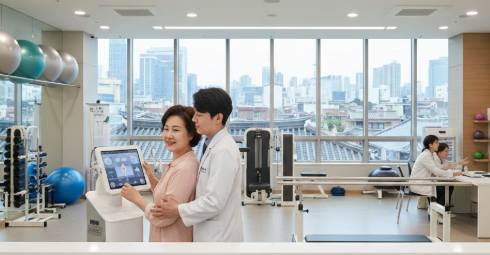
Treatment Overview
Recovery and aftercare are critical for patients with neurogenic bladder, whether treated conservatively, with nerve stimulation, Botox, pelvic floor therapy, or surgery. Proper post-treatment management ensures bladder function stabilization, prevention of complications, and long-term quality of life.
In Korea, specialized urology clinics provide structured recovery plans tailored to each patient, including monitoring, therapy, lifestyle guidance, and support for both adults and children.
Purpose & Benefits
H5 Key benefits of proper recovery and aftercare include:
- Supports optimal bladder healing and function after treatment
- Reduces the risk of urinary tract infections and kidney damage
- Ensures correct use of catheterization or other medical devices
- Monitors effectiveness of treatments like Botox, nerve stimulation, or surgery
- Enhances continence, bladder control, and quality of life
- Provides guidance on lifestyle modifications and hydration management
- Offers support and education for patients and caregivers
- Enables early detection and management of complications
Effective aftercare maximizes treatment outcomes and patient independence.
Ideal Candidates
H5 Recovery and aftercare programs are suitable for:
- Adults and children with neurogenic bladder
- Patients who underwent surgical procedures, Botox injections, or nerve stimulation therapy
- Individuals practicing catheterization or pelvic floor exercises
- Patients with chronic bladder conditions requiring long-term monitoring
- Those seeking structured guidance to maintain bladder health
- Pediatric patients with congenital or acquired neurogenic bladder
Korean clinics design individualized aftercare plans based on patient needs and age.
Possible Risks & Complications
H5 Risks during recovery can occur without proper aftercare, including:
- Urinary tract infections from improper catheterization or hygiene
- Urinary retention or incontinence if bladder function is not monitored
- Discomfort or irritation at treatment or catheter sites
- Device-related complications (e.g., nerve stimulator or artificial sphincter adjustments)
- Recurrence of symptoms without adherence to therapy
- Rare surgical complications such as bleeding or delayed healing
Korean specialists provide close monitoring to minimize risks.
Techniques & Technology Used
H5 Advanced techniques for neurogenic bladder recovery and aftercare in Korea include:
Regular Bladder Monitoring
- Ultrasound, imaging, and urodynamics to track bladder function
- Early identification of complications
Catheterization Guidance
- Instruction for intermittent or indwelling catheter use
- Hygiene and safety training to prevent infection
Pelvic Floor Therapy
- Exercises, biofeedback, and electrical stimulation to maintain muscle strength
- Supports continence and bladder control
Medication Management
- Adjustment of anticholinergics, beta-3 agonists, or other medications
- Monitored for effectiveness and side effects
Follow-Up Consultations
- Ongoing evaluation by urologists and rehabilitation specialists
- Integration of therapy, surgical follow-up, and lifestyle guidance
Patient & Caregiver Education
- Guidance on fluid intake, voiding schedules, hygiene, and bladder health
- Education for pediatric caregivers for home management
Treatment Process in Korea
H5 Step 1: Immediate Post-Treatment Monitoring
- Observing for infection, retention, or bleeding after procedures
H5 Step 2: Therapy and Rehabilitation
- Pelvic floor exercises, bladder training, and nerve stimulation as needed
H5 Step 3: Catheterization Support
- Teaching proper technique and frequency for safe bladder emptying
H5 Step 4: Medication Adjustment
- Ensuring optimal drug efficacy and minimizing side effects
H5 Step 5: Regular Follow-Up Evaluations
- Urodynamic tests, imaging, and clinical assessments to track recovery
H5 Step 6: Long-Term Maintenance
- Personalized program for maintaining bladder function and independence
Recovery & After-Care
H5 Typical aftercare recommendations include:
- Regular follow-up visits with a urologist or rehabilitation specialist
- Hydration management and monitoring urine output
- Adherence to catheterization schedule if required
- Pelvic floor exercises and bladder training to strengthen function
- Monitoring for signs of infection, bleeding, or device issues
- Adjustment of medications or therapy protocols as necessary
Structured aftercare improves both immediate and long-term outcomes.
Results & Longevity
H5 Expected outcomes of proper recovery and aftercare include:
- Stabilization of bladder function after interventions
- Reduction in urinary incontinence and urgency
- Prevention of urinary tract infections and kidney complications
- Enhanced independence and quality of life
- Long-lasting symptom management with ongoing monitoring
- Positive outcomes in both adult and pediatric patients
Regular and well-guided aftercare ensures optimal long-term management of neurogenic bladder.
Why Korea Is a Top Destination
H5 Korea is a leading destination for neurogenic bladder recovery and aftercare due to:
- Highly skilled urologists and rehabilitation specialists
- Advanced monitoring and therapeutic technologies
- Multidisciplinary care combining urology, physical therapy, and rehabilitation
- Family-centered and patient-focused care for adults and children
- Evidence-based protocols ensuring safety and effectiveness
- Competitive cost and efficient services for international patients
- Comprehensive support including language assistance, travel, and accommodation
Patients benefit from expert care that maximizes recovery and long-term bladder health.
Cost Range
H5 Estimated costs in Korea:
- Follow-Up Consultation: $50–$150 per visit
- Urodynamic Testing & Imaging: $200–$500 per session
- Pelvic Floor Therapy Sessions: $50–$150 per session
- Catheterization Supplies: $50–$150 per month
- Medication Management: $50–$200 per month
- Complete Recovery & Aftercare Program: $500–$3,000 depending on duration and services
Costs vary depending on hospital, therapy intensity, and international patient support.
Popular Clinics in Korea
H5 Leading clinics for neurogenic bladder recovery and aftercare include:
- Seoul National University Hospital (SNUH)
- Samsung Medical Center
- Asan Medical Center
- Severance Hospital (Yonsei University)
- Mirae Urology & Pelvic Health Clinic
- Wooridul Urology Center
- CHA Women’s Medical Center
- Seoul Urology & Pelvic Health Clinic
These institutions provide structured recovery programs, advanced monitoring, and comprehensive follow-up care.


