
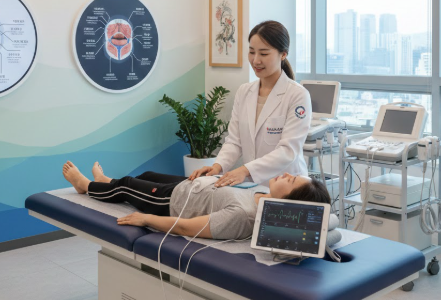
Treatment Overview
Neurogenic bladder is a condition where nerve damage disrupts normal bladder function, leading to urinary incontinence, retention, or urgency. Pelvic floor therapy is a non-invasive approach that strengthens and retrains the muscles supporting the bladder and urethra.
In Korea, specialized urology and pelvic health clinics provide personalized pelvic floor therapy programs for patients with neurogenic bladder, combining exercises, biofeedback, and electrical stimulation to improve bladder control and overall quality of life.
Purpose & Benefits
H5 Key benefits of pelvic floor therapy for neurogenic bladder include:
- Strengthens pelvic floor muscles to support bladder function
- Reduces urinary incontinence and urgency episodes
- Improves bladder emptying and storage capacity
- Enhances coordination between bladder and sphincter muscles
- Non-surgical, safe, and minimally invasive approach
- Can complement medications, catheterization, or nerve stimulation therapies
- Enhances patient independence and confidence
- Supports both adult and pediatric patients with neurogenic bladder
Pelvic floor therapy offers a conservative and effective option for long-term bladder management.
Ideal Candidates
H5 Patients who benefit from pelvic floor therapy include:
- Adults and children with neurogenic bladder causing incontinence or retention
- Individuals with weakened pelvic floor muscles due to nerve damage or aging
- Patients experiencing frequent urgency, leakage, or incomplete emptying
- Those seeking non-surgical management of bladder dysfunction
- Patients complementing other therapies such as Botox injections or catheterization
- Individuals aiming to improve quality of life through structured rehabilitation
Korean clinics design therapy programs tailored to each patient’s age, condition, and severity.
Possible Risks & Complications
H5 Pelvic floor therapy is generally safe, but minor considerations may include:
- Temporary muscle soreness or fatigue
- Mild discomfort during biofeedback or electrical stimulation sessions
- Temporary urinary urgency during exercises
- Rare allergic reactions to electrodes or therapy equipment
- Requires patient commitment and consistent participation for best results
Specialists in Korea ensure patient comfort and modify programs to minimize risks.
Techniques & Technology Used
H5 Advanced techniques used in Korea for pelvic floor therapy include:
Pelvic Floor Muscle Exercises (Kegels)
- Targeted exercises to strengthen muscles supporting the bladder
- Guided by therapists for proper technique and effectiveness
Biofeedback Therapy
- Uses sensors to monitor muscle activity
- Helps patients learn correct contraction and relaxation techniques
Electrical Stimulation Therapy
- Mild electrical impulses stimulate pelvic muscles and nerves
- Improves muscle tone and coordination
Bladder Training Integration
- Combines pelvic floor exercises with timed voiding schedules
- Reduces urgency and frequency
Individualized Rehabilitation Programs
- Programs tailored to bladder function, age, and severity of neurogenic dysfunction
- Monitored and adjusted regularly by experienced therapists
Treatment Process in Korea
H5 Step 1: Initial Consultation
- Specialists assess symptoms, medical history, and bladder function
H5 Step 2: Diagnostic Assessment
- Pelvic floor evaluation, urodynamics, and imaging may be performed
H5 Step 3: Therapy Program Design
- Personalized combination of exercises, biofeedback, and electrical stimulation
H5 Step 4: Implementation of Therapy
- Supervised sessions with guidance on home exercises
- Adjustment of intensity and techniques based on patient progress
H5 Step 5: Progress Monitoring
- Regular assessments to track improvements in bladder control and muscle strength
H5 Step 6: Long-Term Maintenance
- Continued exercises and therapy as needed to maintain bladder function
Recovery & After-Care
H5 Recovery and after-care include:
- Therapy is non-invasive with no downtime required
- Patients can perform exercises at home with guidance
- Follow-up visits monitor improvement and adjust therapy programs
- Education on bladder management, posture, and lifestyle modifications
- Gradual improvement in continence and bladder control over weeks to months
Consistent participation ensures optimal results and long-term benefits.
Results & Longevity
H5 Expected outcomes of pelvic floor therapy include:
- Improved bladder control and reduced incontinence episodes
- Enhanced pelvic muscle strength and coordination
- Better bladder storage and emptying function
- Reduced dependence on catheterization or medications
- Long-term maintenance of bladder health with continued exercises
- Positive impact on quality of life and confidence
Korean clinics report high success rates, particularly when therapy is combined with other bladder management strategies.
Why Korea Is a Top Destination
H5 Korea is a leading destination for pelvic floor therapy for neurogenic bladder due to:
- Experienced urologists and specialized pelvic health therapists
- Advanced biofeedback and electrical stimulation technology
- Comprehensive, multidisciplinary approach combining diagnostics and rehabilitation
- Non-invasive, safe, and patient-centered treatment protocols
- Competitive cost compared to Western countries
- Support for international patients including language assistance, travel coordination, and accommodation
- Expertise in both adult and pediatric neurogenic bladder care
Patients benefit from precision therapy and individualized programs for optimal outcomes.
Cost Range
H5 Estimated costs in Korea:
- Initial Consultation & Assessment: $100–$300
- Pelvic Floor Therapy Session: $50–$150 per session
- Biofeedback Therapy Session: $70–$200 per session
- Electrical Stimulation Therapy Session: $70–$200 per session
- Complete Pelvic Floor Therapy Program (package of multiple sessions): $500–$2,000
Costs vary depending on hospital, therapy intensity, and international patient services.
Popular Clinics in Korea
H5 Leading clinics for neurogenic bladder pelvic floor therapy include:
- Seoul National University Hospital (SNUH)
- Samsung Medical Center
- Asan Medical Center
- Severance Hospital (Yonsei University)
- Mirae Urology & Pelvic Health Clinic
- Wooridul Urology Center
- CHA Women’s Medical Center
- Seoul Urology & Pelvic Health Clinic
These institutions provide specialized therapy programs, advanced technology, and comprehensive follow-up care.


