
Treatment Overview
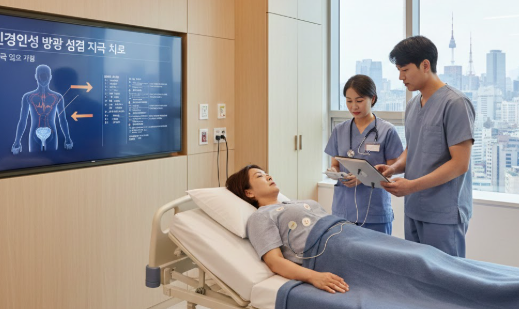
Neurogenic bladder occurs when nerve damage disrupts normal bladder function, causing incontinence, urgency, or urinary retention. Nerve stimulation therapy, including sacral nerve stimulation (SNS) and percutaneous tibial nerve stimulation (PTNS), is an advanced treatment option that modulates nerve signals to restore bladder control.
In Korea, nerve stimulation therapy is performed in specialized urology clinics with minimally invasive techniques, high-precision devices, and personalized treatment plans for adults and children with neurogenic bladder.
Purpose & Benefits
H5 Key benefits of nerve stimulation therapy include:
- Restores proper communication between the bladder and nervous system
- Reduces urinary urgency, frequency, and incontinence episodes
- Improves bladder emptying in patients with retention issues
- Minimally invasive and safe with short recovery time
- Non-surgical or implantable options available based on patient needs
- Can be combined with medications, pelvic therapy, or catheterization
- Enhances quality of life and independence for patients
- Long-term symptom improvement with repeat or permanent therapy
This therapy is especially beneficial for patients who have not responded to medications or conservative treatments.
Ideal Candidates
H5 Nerve stimulation therapy is suitable for patients who:
- Have neurogenic overactive bladder or urinary retention due to nerve dysfunction
- Are adults or children with spinal cord injury, multiple sclerosis, stroke, or other neurological conditions
- Have failed to achieve symptom control with oral medications or bladder training
- Seek minimally invasive treatment options
- Require long-term management for bladder dysfunction
- Wish to reduce dependence on catheters or surgical interventions
Korean specialists evaluate each patient to ensure optimal results.
Possible Risks & Complications
H5 While nerve stimulation therapy is generally safe, risks may include:
- Temporary pain or discomfort at the stimulation site
- Minor bleeding or infection during implant placement
- Rare lead migration in sacral nerve implants
- Temporary urinary retention or urgency after treatment
- Need for adjustments or repeat sessions in PTNS therapy
- Allergic reactions to implanted materials (rare)
Clinics in Korea provide thorough monitoring to minimize complications and ensure patient safety.
Techniques & Technology Used
H5 Korea uses advanced nerve stimulation techniques for neurogenic bladder management:
Sacral Nerve Stimulation (SNS)
- Implantable device sends electrical impulses to sacral nerves controlling bladder function
- Adjustable settings for personalized symptom control
- Used for chronic urinary retention, urgency, and incontinence
Percutaneous Tibial Nerve Stimulation (PTNS)
- Small needle electrode stimulates the tibial nerve at the ankle
- Non-surgical outpatient procedure
- Typically administered in weekly sessions over several weeks
Device Monitoring & Programming
- Real-time adjustments to stimulation intensity and pattern for optimal outcomes
- Follow-up visits ensure efficacy and troubleshoot any issues
Diagnostic Evaluation Prior to Therapy
- Urodynamic studies, imaging, and symptom assessments guide therapy planning
- Ensures accurate targeting and maximizes treatment success
Treatment Process in Korea
H5 Step 1: Initial Consultation
- Specialists review symptoms, medical history, and prior treatments to assess suitability
H5 Step 2: Diagnostic Assessment
- Urodynamics, imaging, and neurological evaluation guide therapy selection
H5 Step 3: Therapy Selection
- SNS implant or PTNS sessions recommended based on severity and patient preference
H5 Step 4: Procedure Implementation
- PTNS: Outpatient needle stimulation sessions
- SNS: Minimally invasive implantation with temporary trial phase followed by permanent device if effective
H5 Step 5: Monitoring & Follow-Up
- Regular visits to assess bladder function, adjust device settings, and track improvement
H5 Step 6: Integration with Other Therapies
- Medications, catheterization, or pelvic floor exercises may complement nerve stimulation
Recovery & After-Care
H5 Recovery is usually fast and manageable:
- PTNS: Minimal downtime, patients resume normal activities immediately
- SNS: Short recovery period of 1–2 weeks for incision healing
- Patients receive guidance on device care, monitoring, and activity restrictions
- Follow-up visits ensure proper function and symptom improvement
- Adjustments to stimulation settings can be made during follow-up
Proper adherence and follow-up maximize long-term effectiveness.
Results & Longevity
H5 Expected outcomes include:
- Significant reduction in urinary urgency, frequency, and incontinence
- Improved bladder emptying and overall bladder function
- Enhanced independence and quality of life
- Long-lasting results with periodic therapy or permanent implants
- Reduced reliance on medications or invasive catheterization
Clinical studies and Korean hospital experience show high success rates and patient satisfaction.
Why Korea Is a Top Destination
H5 Korea is a leading destination for neurogenic bladder nerve stimulation therapy due to:
- Experienced urologists and specialists in minimally invasive therapies
- Advanced devices for SNS and PTNS with real-time monitoring
- Comprehensive patient-centered care including diagnostics, therapy, and follow-up
- Minimally invasive procedures with short recovery times
- Competitive costs compared to Western countries
- Support for international patients including language services and travel coordination
- Evidence-based protocols ensuring safety and optimal outcomes
International patients benefit from precise, safe, and effective nerve stimulation therapy.
Cost Range
H5 Estimated costs in Korea:
- Consultation & Diagnostics: $150–$400
- PTNS Session: $100–$200 per session (usually 6–12 sessions)
- SNS Implant Trial & Permanent Device: $8,000–$15,000
- Follow-Up Visits & Device Programming: $50–$150 per visit
- Complete Nerve Stimulation Therapy Package: $1,000–$16,000
Costs vary depending on therapy type, hospital, and international patient services.
Popular Clinics in Korea
H5 Leading clinics for neurogenic bladder nerve stimulation therapy include:
- Seoul National University Hospital (SNUH)
- Samsung Medical Center
- Asan Medical Center
- Severance Hospital (Yonsei University)
- Mirae Urology & Pelvic Health Clinic
- Wooridul Urology Center
- CHA Women’s Medical Center
- Seoul Urology & Pelvic Health Clinic
These institutions provide advanced nerve stimulation technologies, expert care, and comprehensive follow-up.


