
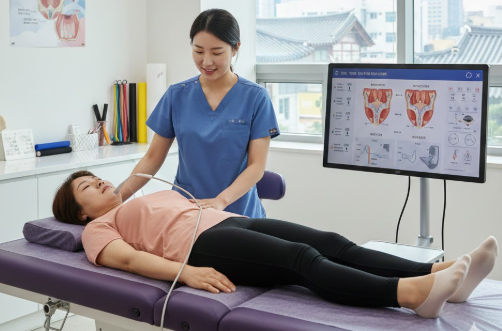
Treatment Overview
Pelvic floor therapy is a non-surgical, evidence-based treatment designed to strengthen the muscles supporting the bladder, urethra, and pelvic organs. It is one of the most effective first-line interventions for urinary incontinence, including stress, urge, and mixed types.
In Korea, pelvic floor therapy is delivered by highly trained physiotherapists and urogynecologists using advanced diagnostic and therapeutic techniques. Both men and women benefit from personalized therapy programs that focus on improving bladder control, reducing leakage, and restoring pelvic health. International patients travel to Korea to access modern rehabilitation centers and experienced specialists offering structured, results-driven care.
Purpose & Benefits
H5 Benefits of pelvic floor therapy for urinary incontinence include:
- Strengthening pelvic floor muscles for better bladder support
- Reducing involuntary urine leakage
- Improving urinary urgency and frequency
- Enhancing sexual health and pelvic stability
- Minimizing the need for medications or surgical interventions
- Providing long-term, sustainable continence improvements
- Personalized care with professional guidance
- Safe and minimally invasive treatment suitable for all ages
Korean pelvic floor clinics focus on holistic recovery, combining therapy with lifestyle adjustments and behavioral modifications.
Ideal Candidates
H5 Pelvic floor therapy is suitable for:
- Women experiencing stress urinary incontinence after childbirth
- Men with mild incontinence after prostate surgery
- Individuals with urge incontinence or mixed incontinence
- Patients preferring non-surgical, low-risk interventions
- Older adults seeking bladder control without medications
- People with weakened pelvic muscles due to aging or neurological conditions
- International patients looking for structured therapy programs
Therapy is effective for both preventive care and rehabilitation after surgery.
Possible Risks & Complications
Pelvic floor therapy is very safe with minimal risks.
H5 Potential minor complications may include:
- Temporary muscle soreness after exercises
- Mild fatigue during initial sessions
- Short-term urinary urgency as muscles strengthen
- Slight discomfort during biofeedback or electrical stimulation
- Rare minor irritation from vaginal or anal probes
Korean physiotherapists monitor patients closely to ensure comfort and safety throughout treatment.
Techniques & Technology Used
Korean pelvic floor clinics employ modern diagnostic tools and advanced therapy methods.
H5 Techniques include:
- Pelvic Floor Muscle Training (PFMT): Targeted exercises to strengthen supporting muscles
- Biofeedback Therapy: Real-time monitoring using sensors to optimize muscle contraction
- Electrical Muscle Stimulation (EMS): Gentle electrical pulses to enhance muscle activation
- Pelvic Floor Ultrasound: Monitors muscle movement and therapy progress
- Bladder Training Programs: Incorporates timed voiding and urge suppression strategies
- Vaginal Cones & Resistance Devices: Provides resistance to improve muscle strength
- Lifestyle & Behavioral Guidance: Diet, fluid management, and bladder habit training
These techniques can be customized based on the severity and type of urinary incontinence.
Treatment Process in Korea
H5 Step 1: Initial Consultation
A physiotherapist or urogynecologist evaluates symptoms, medical history, and bladder function.
H5 Step 2: Diagnostic Assessment
Pelvic floor strength is measured using ultrasound, digital examination, or biofeedback devices.
H5 Step 3: Personalized Therapy Plan
A tailored plan is developed based on individual muscle strength, leakage severity, and type of incontinence.
H5 Step 4: Therapy Sessions
Regular sessions involve guided exercises, biofeedback training, and, if needed, electrical stimulation.
H5 Step 5: Home Exercise Program
Patients receive a structured home program to reinforce progress between sessions.
H5 Step 6: Monitoring & Progress Evaluation
Ongoing assessments track improvements, and therapy intensity is adjusted as required.
H5 Step 7: Maintenance & Long-Term Care
Patients continue exercises and lifestyle modifications to ensure sustained results.
Recovery & After-Care
Pelvic floor therapy requires no surgical recovery, and patients can resume normal activities immediately.
H5 After-care recommendations include:
- Performing daily exercises consistently
- Maintaining hydration and avoiding bladder irritants
- Following bladder training routines
- Monitoring progress and reporting any changes
- Adhering to lifestyle modifications provided by therapists
- Scheduling periodic follow-ups for reassessment
Therapy can continue for several weeks to months, depending on the severity of incontinence and patient adherence.
Results & Longevity
H5 Expected outcomes:
- Improved bladder control within 4–8 weeks of consistent therapy
- Reduction in urinary leakage episodes
- Strengthened pelvic floor muscles and better pelvic stability
- Enhanced sexual and overall pelvic health
- Long-lasting results when combined with home exercises and lifestyle adjustments
- Prevention of incontinence progression or recurrence
Korean clinics report high success rates, especially when therapy is combined with behavioral and lifestyle interventions.
Why Korea Is a Top Destination
Korea is renowned for pelvic floor therapy due to:
- Highly trained physiotherapists and urogynecologists
- Advanced diagnostic and therapy equipment
- Structured, evidence-based treatment programs
- Safe, non-invasive, and highly effective solutions
- Affordable costs compared to Western countries
- Excellent medical tourism services with translation and logistical support
- Quick appointment scheduling and international patient support
- Integrated care combining therapy, diagnostics, and lifestyle guidance
International patients appreciate Korea’s combination of modern technology and experienced pelvic health teams.
Cost Range
H5 Estimated costs for pelvic floor therapy in Korea:
- Initial Consultation & Assessment: $100–$250
- Single Therapy Session: $50–$150
- Biofeedback Therapy: $70–$150 per session
- Electrical Muscle Stimulation: $60–$120 per session
- Home Exercise Programs & Education: Included in therapy package
- Complete Therapy Package (8–12 sessions): $400–$1,200
Many clinics offer packages for international patients, including airport pickup and English-speaking coordinators.
Popular Clinics in Korea
Leading hospitals and clinics specializing in pelvic floor therapy include:
- Seoul National University Hospital (SNUH)
- Samsung Medical Center
- Asan Medical Center
- Severance Hospital (Yonsei University)
- CHA Women’s Medical Center
- Mirae Urology Clinic
- Wooridul Urology & Pelvic Health Center
- Seoul Women’s Urogynecology Clinic
These facilities are known for their multidisciplinary teams, advanced diagnostic tools, and high success rates in non-surgical urinary incontinence therapy.


