
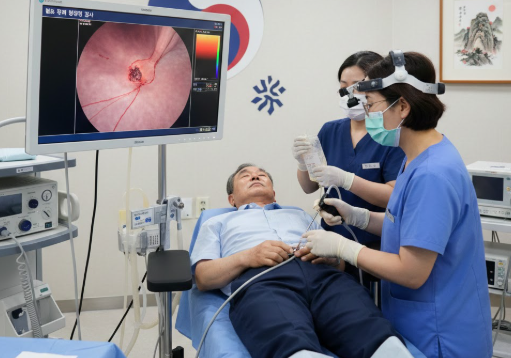
Treatment Overview
Cystoscopy is a specialized procedure used to examine the bladder and urethra for the evaluation of hematuria, which is the presence of blood in the urine. This minimally invasive technique allows urologists to visually inspect the bladder lining and urethra to identify potential causes such as infections, stones, tumors, or structural abnormalities. In Korea, cystoscopy is performed with advanced high-definition flexible or rigid scopes, ensuring accurate and safe diagnosis for both domestic and international patients.
Purpose & Benefits
The primary purpose of cystoscopy in hematuria evaluation is to identify the underlying cause of blood in the urine and to initiate timely treatment if required. Benefits include:
- Early detection of bladder cancer or precancerous lesions.
- Identification of urinary tract infections or sources of bleeding.
- Detection of bladder stones or urethral abnormalities.
- Minimally invasive with limited discomfort.
- Quick procedure with immediate diagnostic visualization.
- Ability to perform biopsies or minor interventions during the procedure if necessary.
Ideal Candidates
Cystoscopy for hematuria evaluation is recommended for patients who experience:
- Visible blood in urine (gross hematuria) or microscopic hematuria detected in lab tests.
- Persistent or recurrent urinary tract infections.
- Unexplained lower urinary tract symptoms such as pain, urgency, or frequency.
- Abnormal imaging findings such as irregularities in ultrasound or CT scans.
- History or risk factors for bladder cancer, including smoking or family history.
A thorough consultation with a Korean urologist is essential to determine if cystoscopy is the most appropriate diagnostic method.
Possible Risks & Complications
Although cystoscopy is a safe and minimally invasive procedure, potential risks include:
- Mild discomfort or burning sensation during urination after the procedure.
- Temporary blood in urine or minor bleeding at biopsy sites.
- Rare urinary tract infection, treatable with antibiotics.
- Rare bladder or urethral injury or perforation.
Korean hospitals adhere to strict hygiene and safety protocols to minimize risks and ensure patient safety.
Techniques & Technology Used
Korea uses advanced techniques and technology for cystoscopy to ensure precise evaluation of hematuria:
- Flexible Cystoscopy: Provides comfort for outpatient diagnostic procedures.
- Rigid Cystoscopy: High-definition imaging for thorough inspection and biopsy.
- High-Definition Camera Systems: Enable real-time visualization of the bladder lining and urethra.
- Laser-Assisted Technology: Occasionally used for minor interventions or stone removal during the procedure.
These modern techniques allow Korean urologists to achieve accurate diagnosis while minimizing patient discomfort.
Treatment Process in Korea
The cystoscopy process for hematuria evaluation in Korea generally involves:
- Pre-procedure Assessment: Includes urine tests, blood tests, and imaging studies.
- Preparation: Local anesthesia is common; general anesthesia may be applied in selected cases.
- Cystoscopy Procedure: The cystoscope is gently inserted through the urethra to inspect the bladder. Biopsies can be taken if abnormal tissue is detected.
- Post-procedure Monitoring: Patients are observed briefly and typically discharged the same day.
Korean hospitals provide specialized support for international patients, including translators and coordinators, to ensure a smooth experience.
Recovery & After-Care
Recovery after cystoscopy for hematuria evaluation is generally quick. Recommended after-care includes:
- Drinking plenty of fluids to flush the urinary tract.
- Avoiding heavy physical activities for a few days.
- Monitoring for symptoms like persistent bleeding, fever, or severe pain.
- Following prescribed medications, including antibiotics if necessary.
Follow-up appointments are scheduled to review biopsy results and determine if further intervention is needed.
Results & Longevity
Cystoscopy provides immediate and accurate visualization of the bladder and urethra, allowing for a reliable diagnosis of hematuria causes. When abnormalities are identified, such as tumors or stones, timely intervention can prevent disease progression. Patients with recurrent hematuria may require periodic cystoscopic monitoring to ensure long-term bladder health.
Why Korea Is a Top Destination
Korea is a leading destination for cystoscopy due to:
- Advanced Medical Technology: High-definition cystoscopes and laser-assisted procedures.
- Experienced Specialists: Board-certified urologists with international expertise.
- Efficient Healthcare System: Short waiting times and streamlined diagnostic procedures.
- Medical Tourism Services: Comprehensive packages including hospital transfers, interpreters, and accommodation.
- Cost-Effective Care: Affordable pricing compared to Western countries without compromising quality.
International patients benefit from world-class care combined with convenient and patient-friendly services.
Cost Range
The cost of cystoscopy for hematuria evaluation in Korea varies depending on the hospital and procedure type:
- Diagnostic Cystoscopy: $400 – $800 USD
- Diagnostic Cystoscopy with Biopsy or Minor Intervention: $800 – $1,500 USD
International patient packages often include hospital fees, interpreter services, and accommodation.
Popular Clinics in Korea
Top hospitals and clinics offering cystoscopy for hematuria evaluation include:
- Severance Hospital, Seoul: Renowned urology department with dedicated international patient support.
- Asan Medical Center, Seoul: Advanced diagnostic and treatment facilities for urinary conditions.
- Samsung Medical Center, Seoul: Specializes in minimally invasive bladder and urethral procedures.
- Bundang CHA Hospital, Seongnam: Offers outpatient cystoscopy with patient-focused care.
- Hanyang University Hospital, Seoul: Comprehensive urology services for both local and international patients.
These hospitals are known for their high-quality medical care and exceptional support services for medical tourists.


