
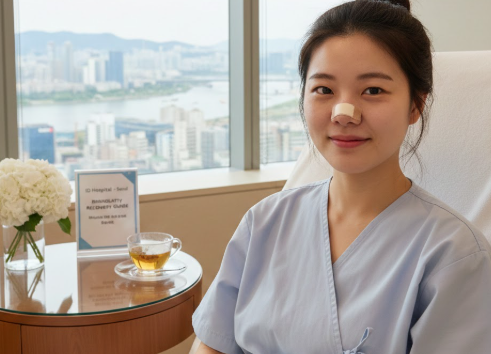
Treatment Overview
Rhinoplasty in Korea is one of the most sought-after cosmetic procedures in the world, known for its advanced techniques, precision, and natural-looking results. Korean rhinoplasty focuses not only on reshaping the nose but also on improving overall facial harmony. Unlike Western-style rhinoplasty, which often emphasizes increased height and projection, Korean rhinoplasty aims for soft, balanced, and refined features that complement Asian facial structures.
South Korea is recognized as a global hub for nose surgery, offering various specialized procedures including dorsal augmentation, tip plasty, alar reduction, bridge refinement, hump correction, and functional rhinoplasty. With cutting-edge technology and highly experienced surgeons, patients—both local and international—experience excellent outcomes with minimal downtime.
Purpose & Benefits
The purpose of rhinoplasty is to enhance the nose’s appearance, improve breathing function, or both. Benefits of rhinoplasty in Korea include:
- Improved nose shape, symmetry, and definition
- Enhanced facial proportions
- Correction of congenital issues or previous surgical results
- Boosted self-confidence
- Improved airway function in cases of deviated septum
Korean surgeons are known for creating refined, elegant results rather than overly dramatic changes. Their philosophy centers on natural beauty, making the enhancements blend seamlessly with the rest of the face.
Ideal Candidates
Ideal candidates for rhinoplasty in Korea include individuals who:
- Are unhappy with the size, shape, or structure of their nose
- Have a flat or low nasal bridge
- Have a bulbous or droopy nasal tip
- Experience breathing issues due to structural problems
- Want revision rhinoplasty after unsatisfactory results elsewhere
- Are in good overall health and have realistic expectations
Korea is particularly popular among international patients who prefer surgeons experienced in Asian facial anatomy, cartilage handling, and customized approaches.
Possible Risks & Complications
Like any surgical procedure, rhinoplasty has certain risks. Common minor side effects include swelling, temporary bruising, or mild discomfort. Potential complications may include:
- Infection
- Asymmetry
- Prolonged swelling
- Difficulty breathing
- Scarring
- Revision surgery needs
However, these risks are significantly reduced in Korea due to advanced surgical methods, modern medical facilities, and highly trained rhinoplasty specialists. Pre-operative evaluations and detailed follow-up care further minimize complications.
Techniques & Technology Used
Korea is renowned for advanced rhinoplasty techniques and high-precision tools. Common methods include:
Open Rhinoplasty
Used for complex cases such as major reshaping, revision surgery, or high-definition tip work. It allows full visualization of nasal structures and precise adjustments.
Closed Rhinoplasty
Performed through internal incisions. Suitable for mild-to-moderate adjustments and offers faster recovery with no external scar.
Dorsal Augmentation
Often done using autologous cartilage (rib, ear, or septal cartilage) or high-quality implants like Gore-Tex or silicone to build a natural nasal bridge.
Tip Plasty
Focuses on refining and reshaping nasal tip cartilage for improved definition and natural projection.
Alar Reduction
Narrows wide nostrils for better balance.
Septoplasty & Functional Rhinoplasty
Improves breathing issues while enhancing the nose’s structure.
Korean clinics use cutting-edge imaging tools like 3D CT scans, ultrasonic piezo instruments, and digital facial mapping to ensure accurate planning and safe outcomes.
Treatment Process in Korea
1. Consultation & Facial Analysis
During the consultation, the surgeon evaluates nasal structure, facial proportions, skin thickness, and desired aesthetic goals. 3D imaging is often used to simulate possible results.
2. Pre-Operative Preparation
Patients undergo medical exams and receive detailed instructions about medications, fasting, and after-care preparations.
3. Surgery Day
Rhinoplasty typically takes 1–3 hours depending on complexity. General anesthesia or deep sedation is used for patient comfort. The surgeon performs structural modifications, reshaping cartilage or bone and adjusting the bridge or tip as needed.
4. Immediate Post-Op Care
Patients rest at the clinic, where medical staff monitor their condition before discharge. A nasal splint is usually applied for stabilization.
5. Follow-Up Visits
Splint removal occurs within 5–7 days. Additional follow-ups are scheduled to check healing and ensure proper nose shape retention.
Korean clinics offer excellent support for international patients, including translation services, airport pickup, and follow-up care solutions.
Recovery & After-Care
Most patients return to routine activities within 7–10 days after the splint is removed. Bruising typically fades within 1–2 weeks. Full recovery and final results may take 6–12 months as subtle swelling gradually disappears.
General after-care instructions include:
- Avoid strenuous activity for 3–4 weeks
- Sleep with the head elevated
- Avoid wearing glasses for several weeks
- Keep the nose protected from pressure or impact
- Use prescribed medications and attend all checkups
Korean clinics provide detailed after-care kits and clear guidelines to ensure smooth, safe healing.
Results & Longevity
Rhinoplasty results in Korea are known for their natural elegance and long-lasting structure. Most patients achieve:
- A more defined nasal bridge
- Improved tip shape and projection
- Better facial proportion & harmony
- Enhanced breathing in functional cases
While swelling may obscure initial results, the final nose shape becomes more visible after 2–3 months. Structural rhinoplasty using cartilage grafts generally provides permanent results. Proper after-care and healthy lifestyle habits help maintain the outcome for many years.
Why Korea Is a Top Destination
South Korea has earned a global reputation as the world capital of cosmetic surgery. It attracts thousands of medical tourists annually due to:
- Highly skilled surgeons specialized in facial anatomy
- Advanced medical technologies & safety systems
- Customized approaches suited to Asian & international patients
- Transparent pricing & efficient treatment processes
- Clinics located in medical hubs like Gangnam and Apgujeong
- Excellent results that prioritize natural beauty
Korean plastic surgeons undergo rigorous training and handle a high volume of rhinoplasty cases, giving them exceptional precision and artistic technique.
Cost Range
Rhinoplasty costs in Korea depend on the type of procedure, clinic reputation, and surgeon expertise:
Basic Rhinoplasty: USD 2,000 – 4,000
Tip Plasty: USD 1,500 – 3,000
Dorsal Augmentation: USD 2,500 – 5,000
Complex or Revision Rhinoplasty: USD 5,000 – 12,000
Compared to the U.S., Australia, or Europe, Korea offers world-class rhinoplasty at significantly more affordable prices without compromising safety or quality.
Popular Clinics in Korea
Some reputable clinics known for rhinoplasty excellence include:
- ID Hospital – Famous for 3D imaging and advanced nasal reconstruction.
- Banobagi Plastic Surgery Clinic – Renowned for natural results and facial harmony.
- View Plastic Surgery Clinic – Highly experienced in bridge augmentation and tip refinement.
- GNG Hospital – Specializes in functional and revision rhinoplasty.
- Regen Plastic Surgery – Popular for aesthetic reshaping and celebrity-endorsed results.
These clinics frequently serve international patients and maintain strong safety standards.


