
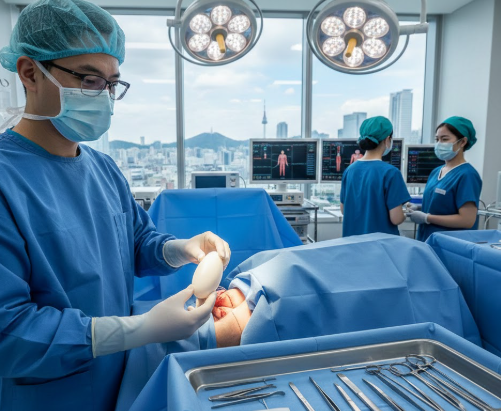
Treatment Overview
Testicular Prosthesis Implantation in Korea is a surgical procedure designed to restore the appearance and symmetry of the scrotum after testicular loss due to trauma, congenital absence, or surgical removal (orchiectomy). The prosthesis is a silicone or saline-filled implant that mimics the natural size, shape, and feel of a testicle.
Korean clinics are internationally recognized for their expertise in urology and male cosmetic surgery, providing safe, precise, and aesthetically pleasing results.
Purpose & Benefits
The main purposes and benefits of testicular prosthesis implantation include:
- Restore natural appearance and symmetry of the scrotum
- Improve psychological well-being and self-confidence
- Maintain normal scrotal contour and balance
- Enhance sexual aesthetics and partner satisfaction
- Avoid scrotal deformity or collapse after testicular loss
- Provide a permanent, low-maintenance solution
- Improve overall quality of life for men affected by testicular absence
The procedure focuses on both aesthetic and psychological outcomes, helping men regain a sense of normalcy.
Ideal Candidates
Testicular prosthesis implantation in Korea is suitable for men who:
- Have lost one or both testicles due to trauma, surgery, or congenital conditions
- Desire restoration of scrotal appearance and symmetry
- Are in good general health to undergo minor surgery
- Have realistic expectations regarding size, shape, and feel of the prosthesis
- Seek a permanent, safe, and low-maintenance solution
Preoperative evaluation ensures proper implant selection and surgical planning.
Possible Risks & Complications
While testicular prosthesis implantation is generally safe, potential risks include:
- Infection at the surgical site (rare with sterile techniques)
- Bleeding or hematoma formation
- Swelling, bruising, or mild discomfort after surgery
- Rare prosthesis displacement or extrusion
- Minimal scarring along the incision
- Temporary numbness or altered sensation in the scrotum
- Rare need for revision surgery for cosmetic or functional reasons
Korean surgeons minimize risks through advanced surgical techniques, sterile protocols, and careful postoperative monitoring.
Techniques & Technology Used
Korean clinics employ advanced techniques to ensure safe and effective testicular prosthesis implantation:
1. Prosthesis Selection
- Choice of silicone gel, saline, or custom-sized implants
- Selection based on patient anatomy, scrotal size, and aesthetic goals
2. Minimally Invasive Surgical Technique
- Small, well-hidden incisions to reduce scarring
- Precise placement within the scrotal sac for natural contour and symmetry
3. Microsurgical Precision
- Careful handling of surrounding tissues, nerves, and blood vessels
- Ensures natural movement, sensation, and minimal complications
4. Customization & Symmetry
- Surgeons select implant size and shape to match the opposite testicle or desired outcome
- Balanced positioning maintains natural scrotal appearance
5. Integrated Postoperative Care
- Use of supportive garments to reduce swelling
- Regular follow-up to monitor healing and prosthesis position
- Counseling and guidance for optimal recovery
Treatment Process in Korea
- Consultation & Assessment
- Evaluation of scrotal anatomy, testicular loss, and patient goals
- Discussion of prosthesis type, size, surgical technique, and expected results
- Customized Surgical Plan
- Selection of implant type and size
- Preoperative instructions regarding medications, fasting, and hygiene
- Surgery Day
- Performed under local or general anesthesia depending on clinic preference
- Small incision made in the scrotum, prosthesis inserted, and incisions closed with fine sutures
- Surgery duration typically 1–2 hours
- Immediate Recovery
- Monitoring for swelling, pain, and early complications
- Short hospital stay or outpatient procedure depending on clinic
- Follow-Up Visits
- Assessment of scrotal healing, symmetry, and prosthesis position
- Guidance on activity restrictions and sexual activity resumption
- Minor revisions performed if necessary
Korean clinics provide full support for international patients, including translation, accommodation, and post-surgery care.
Recovery & After-Care
- Mild swelling, bruising, and tenderness typically resolve within 1–2 weeks
- Light daily activities can resume shortly after surgery
- Sexual activity generally allowed after 4–6 weeks
- Supportive garments help maintain prosthesis position and reduce discomfort
- Follow-up appointments ensure proper healing, optimal symmetry, and patient satisfaction
Structured aftercare ensures safe recovery and long-term success.
Results & Longevity
- Natural-looking scrotal appearance with restored symmetry
- Improved psychological well-being and confidence
- High patient satisfaction due to realistic size, shape, and feel of the prosthesis
- Long-lasting results with minimal maintenance
- Preservation of scrotal function and aesthetic contours
- Minimal visible scarring with expert surgical techniques
Korea’s advanced surgical methods maximize both functional and cosmetic outcomes.
Why Korea Is a Top Destination
Korea is a leading destination for testicular prosthesis implantation due to:
- Highly skilled urologists and cosmetic surgeons specializing in male genital procedures
- Advanced surgical techniques with minimal scarring
- Personalized prosthesis selection and surgical planning
- High patient safety and hygiene standards
- Affordable costs compared to Western countries
- Comprehensive support for international patients, including translation, accommodation, and follow-up care
Korea’s combination of expertise, technology, and patient-focused care ensures optimal aesthetic and psychological outcomes.
Cost Range
The cost of testicular prosthesis implantation in Korea typically ranges from:
- $4,000 – $9,000 depending on prosthesis type, clinic, and surgeon experience
- Prices generally include consultation, surgery, anesthesia, hospital stay, and follow-up care
- Additional fees may apply for international patient coordination
Popular Clinics in Korea
- ID Hospital Men’s Health & Cosmetic Surgery Clinic, Seoul
- Banobagi Urology & Andrology Center, Seoul
- JW Men’s Health & Cosmetic Surgery Clinic, Seoul
- Regen Men’s Health & Andrology Clinic, Seoul
- Urology & Male Wellness Clinic, Seoul
These clinics are recognized for expertise in male genital cosmetic surgery, prosthesis implantation, and international patient care.


